
Source backpacks, totes, handbags, laptop bags, luggage and other bag categories from China with a specification-led buying plan. HunterSourcing helps brands, importers and promotional buyers compare suitable suppliers, coordinate samples, follow orders and arrange quality checks or shipping.
Send a product reference, estimated quantity per style and colour, delivery country and target date. We use the brief to clarify stock, private-label or custom development options and prepare the proposed work scope, charges and approval steps. HunterSourcing acts as your sourcing agent; supplier selection and product approval stay tied to your requirements.
Quick buying route: choose stock for an existing design, private label for agreed branding on a defined base, or OEM/ODM for a development project. Confirm which materials, patterns, tooling and artwork are included before you approve a sample.
Service and editorial contact: HunterSourcing sourcing team. Updated: 2026.
1. Choose Your Bag Type and Specification
Start with the bag’s use, material and construction. The nine categories below show what to include in a comparable enquiry and what to examine in a sample. Choose the relevant category to carry the bag type into your sourcing brief.
For fabric, specify composition and weight or denier as applicable; for leather-look materials, request the actual composition and backing. Colour names alone are not a production standard: agree a swatch or physical colour reference. State measurement points, tolerances, print placement and packing in the approved specification.
| Bag category | Put in the RFQ | Compare in the sample | Important cost drivers |
|---|---|---|---|
Backpacks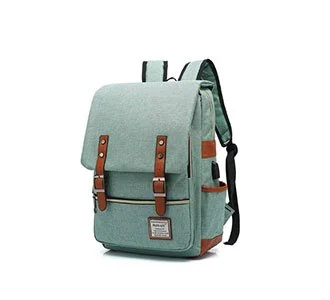 Enquire about this bag |
Finished W × H × D; shell and lining; straps, pockets and intended load | Strap attachment, reinforcement, zipper access and fit | Panels, padding, hardware and assembly steps |
Canvas bags Enquire about this bag |
Fabric composition/weight; gusset; handle drop; artwork | Seam finish, print position and handle fixing | Fabric weight, printing colours and packing |
Handbags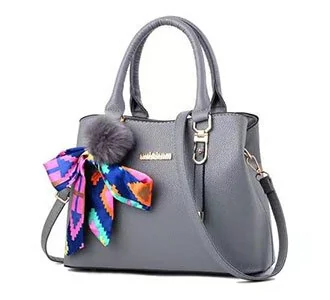 Enquire about this bag |
Material composition; silhouette; lining; edge finish; fittings | Edge paint, symmetry, opening, hardware and colour | Pattern development, material yield and custom fittings |
Laptop bags Enquire about this bag |
Actual device dimensions; padding; compartment layout | Device fit, protected edges, strap and zipper travel | Foam, dividers, lining and protective packing |
Luggage Enquire about this bag |
External dimensions including handles/wheels; shell; trolley system | Wheel movement, handle function, closure and agreed durability checks | Shell tooling, wheels, handle system and carton volume |
Messenger/shoulder bags Enquire about this bag |
Strap length/width; closures; pockets; lining | Adjustment, fixing points and practical access | Hardware, lining, pockets and material use |
Nonwoven bags Enquire about this bag |
Substrate weight; seam process; handle fixing; print area | Welded/sewn joins, handle strength and print registration | Substrate, dimensions and artwork setup |
School bags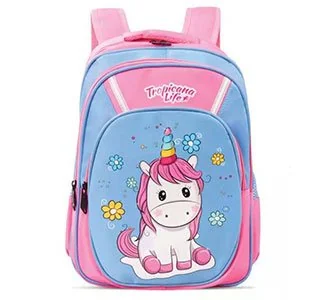 Enquire about this bag |
Intended age/use; dimensions; fit; straps; accessories | Comfort, accessible parts and agreed use-specific checks | Construction, decoration and applicable testing |
Tote bags Enquire about this bag |
Body size; gusset; handle drop; material; logo method | Finished dimensions, seams, handle attachment and print | Material, size, printing and order split |
Category photographs illustrate bag formats. For development, provide your own or authorised artwork and define the required material and construction. Reusable, recycled or water-resistant claims need evidence appropriate to the exact material and product.
2. Confirm Your Sourcing Scope, Fees and Deliverables
Choose the stages you need. Before authorising the project, confirm the deliverables, charges and approval responsibilities in the service proposal.
Project deliverables to agree
| Work stage | Deliverable to specify | Your approval |
|---|---|---|
| Supplier search and comparison | Shortlist showing company identity, production location, relevant bag construction and questions still to resolve | Review product fit and decide which candidates progress to sampling |
| RFQ and quotation coordination | A comparison against one specification revision, with MOQ basis, unit cost, setup charges, exclusions and validity | Approve the specification and the quotation scope |
| Sample coordination | Sample revision record, material/colour references, photographs and a list of changes to close | Approve the physical sample and artwork before bulk production |
| Production follow-up and inspection | Selected checkpoints, findings, supporting photos and corrective-action/reinspection records | Give written instructions on acceptance and shipment release |
| Packing and shipping coordination | Carton count, packed dimensions/weight, delivery term and handover/document requirements | Confirm the cargo details, destination and freight scope |
Review the reporting format: our blank factory assessment report provides fields for company details, production facilities and supporting records. Our blank inspection report shows how quantity, measurements, findings and photos can be recorded. These are blank reporting formats for discussing the required work.
Your project contact: meet the HunterSourcing team and discuss who will coordinate supplier communication, sample comments and order updates for your project.
Make the fees and payment responsibilities visible
Ask for a written breakdown covering the lines below. The amount and payment schedule depend on the selected work, product and shipment. Confirm any commission, handling charge or supplier-paid remuneration that applies to the arrangement, together with who invoices each item.
| Cost line | Confirm in writing | Payee and payment trigger |
|---|---|---|
| Sourcing and coordination | Included stages, fee calculation, exclusions and any separately charged visits | Named service provider and invoice milestone |
| Samples and development | Sample cost, revision rounds, logo/tooling charges, courier and any agreed bulk-order credit | Supplier/service payee, approval trigger and credit conditions |
| Inspection and testing | Inspection scope, sampling method, report format, laboratory work and reinspection fees | Inspector/laboratory/service payee and booking conditions |
| Goods and packing | Approved SKU, quantity per style/colour, materials, branding, packaging and delivery term | Contracting supplier, deposit/balance milestones and release evidence |
| Freight and import costs | Origin/destination, packed volume/weight, Incoterm/named place, clearance, duties/taxes and insurance | Forwarder/import responsibility and any destination charges |
Approve the scope and commercial terms before paying for the corresponding stage. Sample charges, supplier deposits and freight are separate decisions; any refund or sample-credit arrangement should state its conditions in the quotation.
3. Build an OEM Brief and Compare the Complete Quote
A Complete Tote-Bag RFQ Example
Illustrative buyer brief: use the example below to organise a custom order, then replace the inputs with your approved product requirements.
| RFQ field | Example input | Confirm before approval |
|---|---|---|
| Use and quantity | Reusable promotional tote; 500 pieces in one base colour | Intended use, quantity per design and colour split |
| Finished size | 35 × 40 × 10 cm, W × H × D; measure the body excluding handles | Measurement points and accepted tolerances |
| Shell and lining | Natural cotton, 280 g/m²; unlined | Composition, weight, approved swatch and any treatment |
| Handles | 25 cm handle drop; reinforcement at attachment points | Measuring method, attachment construction and intended load |
| Logo and artwork | One-colour print on one panel; artwork revision A | Print dimensions/position, ink colour and approved proof |
| Packing | Individual packing and carton quantities to be selected | Labels, protection, packed dimensions and gross weight |
| Approval and delivery | Physical sample, material references and artwork approved together | Destination, target date, delivery term and release conditions |
Record a revision number on the brief, artwork and sample comments. When a supplier proposes a different fabric, fitting or construction, obtain the revised specification and cost before approving the change.
Compare the Complete Cost
Use one RFQ revision for every candidate. Include drawings or reference photos, finished dimensions, bill of materials, hardware, logo files, packing, quantity per style/colour, destination and required date. Ask who makes the pattern, who approves substitutions and who owns paid tooling or development files.
An existing sample can help explain the shape, but it does not define every material or performance requirement. For a custom project, approve the specification, physical sample and artwork together. Request separate charges for sample development, revisions, printing setup, moulds and testing.
Illustrative comparison only: the following is a hypothetical 500-piece sewn-tote project in US dollars, with the same approved specification. It is a calculation example, not a supplier quotation.
| Cost item | Quote A | Quote B |
|---|---|---|
| Base product, per bag | US$4.20 | US$4.40 |
| Logo, per bag | US$0.25 | US$0.10 |
| Retail packing, per bag | US$0.35 | US$0.20 |
| Agreed local handling, per bag | US$0.20 | US$0.15 |
| Variable subtotal for 500 bags | US$2,500 | US$2,425 |
| Sample/setup allowance, project total | US$80 | US$0 included in this example |
| Inspection allowance, project total | US$100 | US$100 |
| Compared project subtotal | US$2,680 / US$5.36 per bag | US$2,525 / US$5.05 per bag |
Calculation: 500 × (base + logo + packing + handling) + sample/setup + inspection. Quote B is US$155 lower, or US$0.31 per bag, despite its higher base price. Real quotations may have different charges: compare the exact scope before drawing the same conclusion.
International freight, duties, import taxes, additional laboratory work and any agreed sourcing-service fee are excluded from this illustration. Name the Incoterm and place, identify exclusions and confirm which party pays each cost. The International Trade Administration explains the role of Incoterms.
Supplier-Published MOQ, Price and Production References
Compare published examples only within their stated product and order conditions. A supplier’s minimum may be per style, colour or material, rather than the total across a mixed order. The references below are supplier-published terms checked in 2026; obtain a current model-specific quotation before choosing a route.
| Published example | Quantity or price reference | Sample/production reference | Confirm for your order |
|---|---|---|---|
| Liqi Bag: sewn OEM bags | Typical custom minimum: 500 pieces | Sample: 5–7 days; bulk: 20–25 days | Quantity basis, material readiness and production start trigger |
| Canton Bag Makers: handbags | 100 pieces per style per colour | Sample reference: 5–7 days; bulk: 25–30 days | Construction, materials, current loading and approval date |
| Camytonc: woven/canvas bags | Woven PP: 100; cotton canvas: 200; straw: 300 pieces | Paid sampling published as 1–10 days | Exact model, colour split, decoration and current schedule |
| Camytonc: backpacks | 500 pieces; special fabrics: 1,000 | Bulk reference: 15–20 days after sample approval | Complexity, fabric availability and shipping time separately |
| Elvion: stock versus custom | Stock: 50 pieces; custom: 200 per colour | Custom sample: 10–15 days; stock dispatch: 5–7 days | Available stock, model minimums and sample revision scope |
| China-bag.com: polyester crossbody | Published example at 10 pieces: US$3.10 per bag | Model-specific sampling/production dates to confirm in the quotation | 25 × 18 × 9.5 cm; confirm logo changes, packing, named delivery term and exclusions |
These supplier-published examples describe different products and order conditions. The US$3.10 reference is for the named polyester crossbody at 10 pieces; it does not include a quotation for the other bag types on this page. Reconfirm the exact model, artwork changes, quantity basis, delivery term and current validity before comparing offers.
4. Check Factory Fit, Quality Evidence and Defect Remedies
A useful supplier comparison connects capability to your bag type. Ask for current examples of similar construction, the production location, the contracting company and the proposed subcontracting arrangements. A factory tour or audit is part of supplier assessment; product acceptance still needs a written specification and inspection criteria.
For each shortlisted supplier, keep the sample revision, bill of materials, colour reference, artwork and agreed limits together. Define what counts as a critical, major or minor defect for the order. Agree the inspection method, sample size or sampling plan and release decision with the responsible parties.
- 1. Define the orderFreeze use, dimensions, materials, quantity and destination.
- 2. Check the supplierMatch company identity, site, relevant machinery and similar product work.
- 3. Approve the sampleSign off the physical sample, BOM, artwork and authorised substitutions.
- 4. Monitor productionCheck incoming materials and an early production batch before the full run.
- 5. Inspect before releaseUse the agreed measurements, workmanship, functional checks and packing criteria.
- 6. Close the findingsRecord rework, reinspection, responsibility and the agreed shipment-release evidence.
| Check | Method and evidence | Acceptance input |
|---|---|---|
| Dimensions and fit | Record body W/H/D, handle drop and pocket/device fit at the agreed measurement points; photograph the ruler position | Approved values, tolerances and measuring method |
| Seams and strap attachments | Photograph stitching, seam finish, reinforcement and the junctions that carry the intended load | Approved construction and defect examples; identify each affected SKU/lot |
| Zippers and fittings | Record the agreed operating/load test, cycle count where relevant, attachment and opening/closing results | Method, conditions and pass/fail criteria agreed for this product |
| Load and use checks | Define test weight, duration and handling method; record before/after photos and any damage | Intended-use brief and product-specific limits approved before testing |
| Material and colour | Compare identified swatches, lining, surface finish and hardware; record substitutions and lot identity | Approved material/colour reference and written approval for changes |
| Packing and quantity | Count SKU units and cartons; check labels, carton dimensions/gross weight and product protection | Purchase order, packing instruction, shipment marks and required documents |
For EU-bound textile or leather bags, check the restrictions applicable to the materials and intended contact, including REACH restrictions. Ask for model/material-linked reports and a current scope review; a general company logo or social audit does not establish product compliance.
For US children’s bags, CPSC classification depends on the product’s intended users and other factors. Where applicable children’s-product rules require it, the importer’s CPC is based on the required testing. A caregiver’s diaper bag is not automatically a children’s product. Confirm the exact product and destination requirements with a qualified specialist.
Editorial and project contact: HunterSourcing sourcing team. Our coordination work is agreed per project. Ask what records, sample handling and inspection deliverables are included before authorising the work.
Resolve Findings Before Shipment Release
- Identify the issue: record the order, SKU, affected lot/quantity, photos, measurement or test method, and the difference from the approved reference.
- Record the buyer’s instruction: clarify whether the affected goods are held, sorted or presented for further checks before the next payment or transport handover.
- Agree corrective action: obtain the supplier’s proposed rework, replacement or commercial remedy, completion date and cost responsibility in writing.
- Check the correction: decide who reinspects, which criteria apply and who pays the fee; attach the new findings to the original record.
- Close and release: record the buyer’s written acceptance or agreed settlement, then confirm shipment release according to the purchase and service agreements.
Agree the reporting/claim window and the treatment of issues found after arrival in the order terms. Inspection findings, commercial remedies and shipment-release authority should each have a named responsible party.
5. Agree Production, Shipping and Payment Milestones
Plan backwards from the required delivery date. A production estimate is not an arrival estimate: define when the clock starts and allow for sample revisions, material ordering, inspection, packing and the chosen transport route. Reserve a decision point for failed samples or inspection findings.
Confirm the legal contracting entity and payment beneficiary, the invoiced product specification and the shipment address. Record deposit, balance and any inspection-release conditions in the order documents. For example, Elvion publishes full sample payment upfront and a 70%/30% bulk-payment split; that is its stated policy, not a standard term for every bag supplier or a HunterSourcing promise.
| Milestone | Written confirmation | Release evidence |
|---|---|---|
| Sample start | Development scope, fee, revision rounds and due date | Agreed brief and receipt of required inputs |
| Production start | Approved sample/BOM, material readiness and deposit condition | Signed specification and confirmed start date |
| Inspection | Inspection scope, timing and treatment of findings | Report, corrective action and reinspection where agreed |
| Shipment release | Balance milestone, packing and delivery term | Accepted findings, commercial invoice and packing list |
| Transport handover | Named place/port, booking and destination address | Carrier/forwarder handover and traceable transport documents |
Ask for packed units per carton, external carton dimensions and gross weight. As an illustrative volume calculation, ten cartons measuring 0.60 × 0.40 × 0.40 m occupy 0.96 m³ before any additional pallet or packing allowance. Carrier charging rules and the actual packed cargo determine the freight quote.
Compare shipping offers using the same origin, destination, cargo-ready date, service scope and responsibility for clearance/taxes. Our logistics service information and China inspection guide explain related support; the final scope and charges are confirmed for your shipment.
6. Three Practical Buying Routes
These are illustrative planning scenarios, not claims about completed customer orders. Use the route closest to your purchase, then replace the example inputs with your own specification.
| Buyer situation | Useful starting route | Approval priority |
|---|---|---|
| A boutique testing a small collection | Check available stock and limited branding options before a full development order | Physical stock sample, style availability and actual minimum per colour |
| A brand developing a structured handbag | Shortlist pattern/sample teams experienced in the same material and construction | Pattern, lining, hardware, edge finish and approved sample revision |
| A school or promotional programme | Use one common brief for size, artwork, age/use, order split and delivery | Colour/print proof, attachment checks, appropriate documents and delivery milestones |
For a market overview, see our China wholesale bags guide. A product-specific brief helps distinguish stock trading from the material, pattern and production work your project actually needs.
7. China Bags Supplier FAQ
7.1 How do I find a reliable China bags supplier?
Match the supplier to the exact bag construction, then check the contracting company, production site, similar work and sample-development capability. Compare more than product photographs: request a written specification, a physical sample, an itemised quote and the proposed quality/release process. A sourcing agent can coordinate agreed checks and communication; your purchase still needs order-specific approval evidence.
7.2 Can I start with 50 or 100 custom bags?
Sometimes, but stock and custom development have different minimums. Elvion publishes stock from 50 pieces and custom production from 200 per colour; Canton Bag Makers publishes a handbag minimum of 100 per style per colour. Ask whether your material, logo and colour split fit the offer. A total across several designs may not satisfy a per-style minimum.
7.3 What is the difference between stock, private label and OEM/ODM bags?
Stock uses an existing product with limited changes. Private label adds agreed branding to a defined base product. OEM/ODM involves a specified design or development scope, which may include patterns, materials, structure and hardware. Confirm ownership, permitted changes, charges and sample approval rather than relying on the label alone. Use your own or authorised designs and artwork.
7.4 What should I send to obtain a comparable quotation?
Send the bag type, reference images or tech pack, finished dimensions, shell and lining, hardware, logo method, quantity per style and colour, packing, destination and required date. State the same revision and delivery term for every candidate. Ask suppliers to list exclusions, development charges, sample terms and the milestone that starts production.
7.5 How much do custom bags from China cost?
The quote depends on material, dimensions, construction, hardware, branding, packing and quantity per style/colour. One supplier-published example in the reference table is a 25 × 18 × 9.5 cm polyester crossbody advertised at US$3.10 per piece for 10 pieces. Reconfirm the product and current terms; custom development and other bag types need their own quotation. Compare sample/setup charges, inspection, shipping, taxes and service fees separately.
7.6 How long do sampling and bulk production take?
Supplier references vary: Liqi Bag publishes typical sampling of 5–7 days and bulk production of 20–25 days, while other suppliers show different schedules for their categories. Confirm whether the clock starts after artwork, material readiness, sample approval or deposit receipt. Add revision, inspection and transport stages before treating a production date as a delivery plan.
7.7 How can I reduce differences between the sample and bulk order?
Approve the sample together with the BOM, measurement points, colour reference, artwork and packing. Keep the approved version identifiable and require written approval for substitutions. Review an early production batch, then inspect the finished lot against agreed workmanship, functional and packing criteria. Specify what happens if findings require rework, reinspection or another remedy.
7.8 Which certificates or tests should I request for bags?
The answer depends on materials, intended users, claims and destination. EU textile/leather bags may need evidence addressing applicable REACH restrictions. US children’s bags require a product-specific CPSC classification and review of applicable testing and certification duties. Factory-system or social-audit documents serve a different purpose from product test reports. Ask the relevant laboratory or specialist for the exact SKU requirements.
7.9 How should payment and defect handling be agreed?
Match the invoice, contracting company and payment beneficiary, and document deposit, balance and shipment-release milestones before production. Supplier policies differ; Elvion, for example, publishes a 70% deposit and 30% balance before shipment for bulk orders. Separately agree defect criteria, evidence, claim timing, remedy options, reinspection and cost responsibility. Do not leave those decisions until the goods are ready.
7.10 How do I compare shipping and the final import cost?
Use the same cargo-ready date, origin, destination, carton count, external dimensions, gross weight and Incoterm/named place. Separate product cost, local handling, international freight, clearance, duties/taxes, insurance and any agreed sourcing fee. Confirm who is responsible for each line and the delivery address on the order. A low unit price is only one part of the comparison.
8. Start Your Bag Sourcing Project
Send your bag type or reference, dimensions, material, quantity per style and colour, logo requirements, destination and required date. Only your name, email and project brief are required; phone is optional. Estimates are welcome if you are still defining the product. Confidential files can follow through an agreed transfer method.
What you receive first: a review of the brief, the key specifications still to clarify and a proposed stock, private-label or custom-development route.
Before paid work starts: confirm the work stages, project contact, deliverables, charges/payees and approval milestones. Supplier quotations and sample/production dates are then compared against the agreed specification.
Plan around your deadline: include your target arrival or launch date. Ask the project contact to confirm the next update time and check feasibility before you commit to sampling or production.
Download the Blank Bag RFQ & Quote Comparison Checklist (CSV). Use this editable planning template to compare the same specification and scope. It is a blank worksheet, not a product catalogue or certificate.
You can also email info@huntersourcing.com. Contact details are used to respond to this enquiry; see our Privacy Policy.
Related Articles
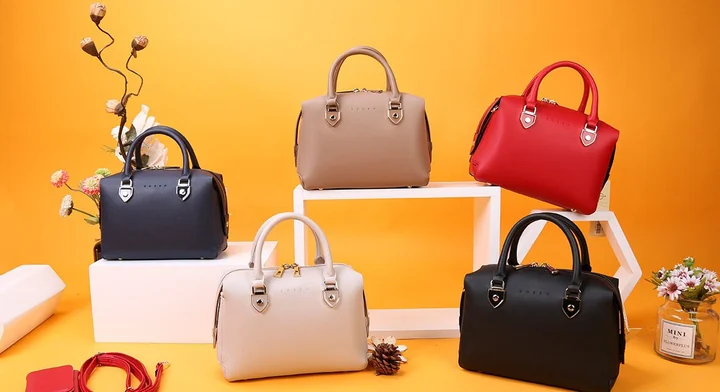
Explore wholesale bag markets, supplier-selection routes and practical purchasing questions before choosing stock or a custom programme.
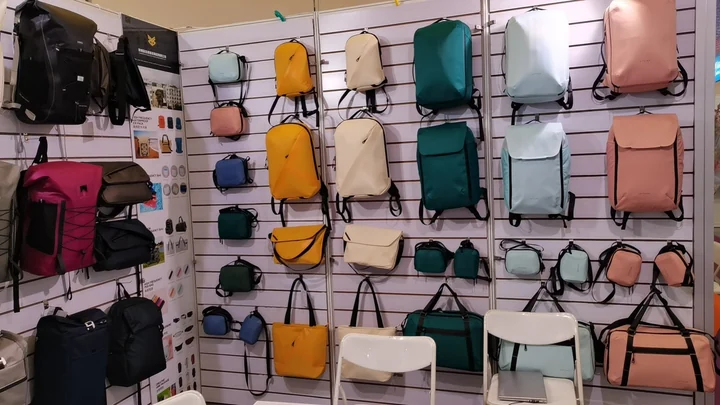
Review backpack types, construction and supplier-selection questions for a product-specific backpack sourcing brief.
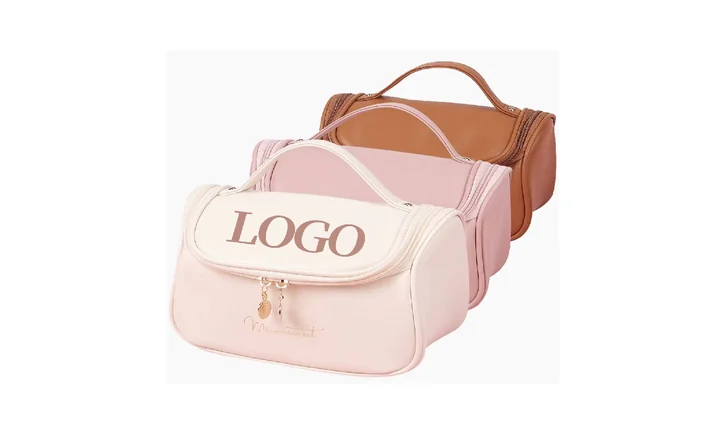
Plan custom makeup bags around materials, size, branding, sampling and bulk-order requirements.