
If you need a China pet supplies supplier, start with the product specification, order quantity and destination market. HunterSourcing helps retailers and brands compare suppliers, review samples, plan inspections and coordinate shipments. For a first order, prioritize a product you can test on a representative sample and compare quotes at the same delivery point.
What you can receive from HunterSourcing
- A supplier shortlist that identifies who makes each product and what still needs verification.
- A side-by-side quote comparison with product specifications, minimum quantities and order costs.
- A sample comparison and a proposed inspection plan for the models you intend to buy.
We first confirm which parts of the project you want us to handle. Agree on the service scope and fees before work starts. We confirm sample charges and courier costs before ordering samples, and the scope and cost of any third-party inspection or shipment before booking it.
1. Pet supplies we can help source
Start with the animal, product use and intended sales market. A dog harness, a bird cage and a powered aquarium pump each need a different specification and inspection plan. Send a product link or drawing and note which features are essential.
Bird supplies

For cages, feeders and perches, specify bar spacing, dimensions, fasteners and finish. Treat seed and other edible products as separate import projects.
Cat supplies

For litter trays, scratchers, beds and toys, check material, cleanability, scratcher or tree stability, and which parts can be replaced. For litter, specify material, pack weight and dust criteria separately.
Dog supplies
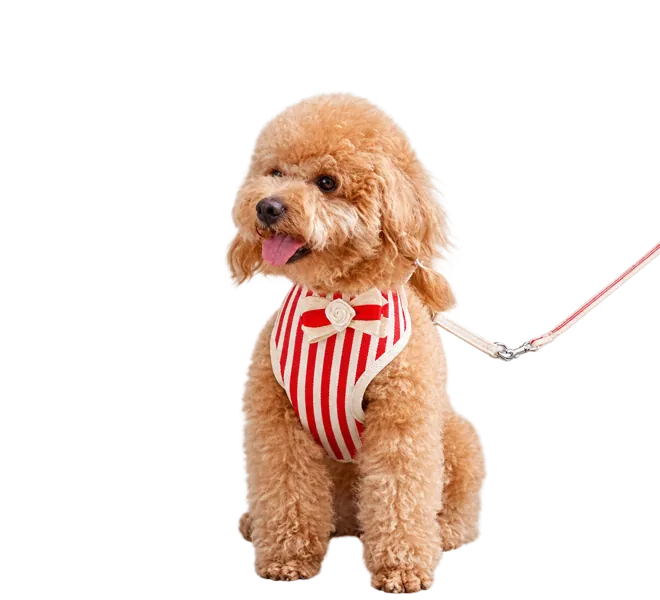
For harnesses, collars, leashes and beds, document size grading, load points, webbing or cover material, and each SKU’s packaging.
Farm animal supplies

For feeders and waterers, specify capacity, mounting points, edges, drainage and how the unit is cleaned. Identify the intended species and environment.
Fish supplies

For aquarium accessories, specify tank compatibility, dimensions and materials. For pumps and lights, confirm the electrical configuration and destination market before sampling.
Horse supplies
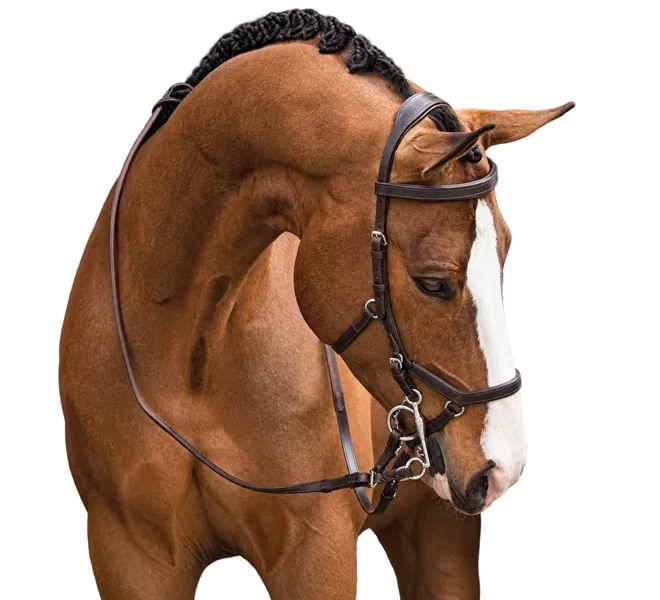
For halters, lead ropes and grooming tools, give the supplier measurements, hardware and seam requirements. Specify intended use before agreeing on load or wear checks.
Reptile supplies

For hides, bowls and habitat accessories, specify dimensions, stable placement and accessible surfaces. Verify powered heaters and thermostats separately against applicable requirements.
Small animal supplies

For tunnels, hideouts and feeders, define species, usable openings, materials, reachable edges and cleaning method. Check that detachable pieces stay secure in expected use.
2. Compare specifications, MOQ, cost and lead time
Choose the order type before comparing suppliers. The right minimum order quantity (MOQ) depends on whether you are testing demand, branding an existing product or changing how the product is made.
- Stock trial: Start with a few sizes or colors. Confirm how many units are available now, how long the supplier can hold them and whether you can reorder the same version after the trial.
- Private label on an existing product: Get separate minimums for the product, printed labels and retail boxes. If the box has the highest minimum, ask whether a stock box with an approved label would work for the first order.
- Custom production: Use this route when fit, material or function needs to change. Agree on the sample revision, tooling cost and ownership. Specify which changes require a new sample before production starts.
Send the same request for quotation (RFQ) to every supplier. Use one specification for each SKU, with the same materials, dimensions, size and color breakdown, retail pack quantity and named delivery point. Request separate lines for sample and tooling fees, price breaks, minimum quantities, carton measurements and the sample and production dates.
| Product and specification | MOQ and price | Sample and order timeline | What to confirm on the quote |
|---|---|---|---|
| Petisland PTHM0011 nylon harness | The product page shows US$6 per sample, 1 piece for a standard item and customization from 10 pieces. The Petisland directory card shows US$2.50–4.60 per piece at a 20-piece minimum. Confirm in writing which minimum and price apply to your sizes, color mix and branding. | The product attributes list 15 days for a sample. Request separate dates for sample dispatch, bulk production and transport. | Check the size chart, webbing width, stitching, buckle and D-ring. Confirm the included packaging. |
| Chaozhou Binsly paw-print steel bowl with rubber base | The Binsly directory card lists US$1.00 per piece at a 500-piece minimum. The product page lists multiple sizes. Confirm in writing which diameter, steel grade and base that price covers. | Confirm sample dispatch, production lead time and delivery term in the quote. | Ask for capacity, rim finish, individual packaging and packed carton dimensions when bowls are nested. |
| Tianjin Star SPB-30 pet bed | The Tianjin Star directory card lists US$3.00–5.00 per piece at a 100-piece minimum. Confirm in writing which of the S, M and L sizes and packing options the price covers. | The SPB-30 product page lists sample availability and a 5–7 day delivery figure. The listing gives no start event, order scope or destination for that figure. Request separate ready and delivery dates. | Confirm filling, cover, wash method, carton size and how the bed recovers after unpacking. |
| PET2P custom accessories | The supplier’s service page and FAQ list private label from 100 pieces per design and full OEM with new tooling from 500 pieces. Price by quote. The page lists bank transfer (T/T) and FOB Ningbo or Tianjin. | The same page lists sampling of 10–20 days and production of 25–45 days after sample approval. | Ask which designs, materials and packaging qualify for those terms and confirm the named port in writing. |
These public listings show supplier examples. Request a dated written quote for the exact SKU and pack, showing the unit price, minimum quantity, quote validity, sample freight, artwork or tooling fees, and carton count and weight.
Pet supplies RFQ worksheet (example template)
Copy these fields into an inquiry or supplier comparison sheet. Complete one row for each SKU and leave unconfirmed supplier terms blank.
- Product. Reference photo or link, SKU, intended animal and use, material, dimensions or size range, color and logo requirements.
- Order. Quantity per size and color, target sales country, target delivery date and required sample revision.
- Packing and quote. Units per retail pack, packs per carton, carton dimensions and gross weight, price and currency, MOQ, and Incoterms® rule with named place.
- Acceptance. Measurable tolerances, defect examples, limits agreed for the inspection, supporting reports where applicable, and who approves any correction or release.
Meet the HunterSourcing team behind this sourcing guide.
3. Verify the supplier and approve the sample
A good sample sets the specification for production. Establish who makes the product, which business signs the order and who will receive payment. Ask which steps are subcontracted, especially molding, metal finishing, stitching and printing. For a factory review, ask for a dated process walkthrough and compare the address and processes against the quote.
- Before samplingWrite the model, materials, tolerances, dimensions, labels and packaging on one spec sheet. Identify the destination and intended use.
- Before productionApprove a reference sample and keep its dated revision. Agree which component or material changes require a new sample and review.
- Before shipmentAgree how many units will be inspected, what constitutes a failure, what evidence is recorded and who authorizes shipment after any reinspection.
Match the inspection to how each product could fail. For a harness, check the adjustment range, buckle, leash attachment and stitching at load points. Agree on the pull direction, load and duration before testing. For a cat tree, check the assembled base, connections, included fasteners and stability under the agreed test. For a smart feeder with offline scheduling, test whether it dispenses as instructed when the network drops and resumes normal operation when it reconnects. For toys, bowls and beds, define checks for detachable parts, rough edges or seams according to the product and its intended use.
Keep sample approval and shipment release as separate decisions. Before production, agree on the sampling plan, test methods and pass criteria. Release: the buyer checks that the lot meets the criteria. Hold: keep any affected lot back and identify the issue and batch. Reinspect: verify the documented correction before the buyer decides whether to release the lot. If a supplier substitutes a part or material, request the revised specification and agree whether a new sample and supporting evidence are needed before accepting the change.
HunterSourcing can coordinate supplier comparison, sampling and an agreed pre-shipment inspection. The supplier confirms the materials and identifies the lot. The buyer sets the acceptance criteria and authorizes release.
4. Confirm compliance for the exact product and market
Classify the SKU before asking for reports. A non-powered walking accessory, a wireless feeder and an edible pet treat have different requirements. Ask a qualified reviewer which rules apply to the finished model, packaging and claims in your destination.
- Non-powered accessories: For products within the scope of the EU General Product Safety Regulation, confirm risk analysis, technical documentation, traceability and who is responsible in the EU. Start with Regulation (EU) 2023/988.
- Powered or connected products: Record the exact power supply, plug, radio module, battery and accessories. Confirm applicable electrical, radio and transport evidence for that configuration before changing components or booking freight.
- Feed, treats and animal-derived items: Treat them as a separate buying project. For pet food offered for import into the United States, check FDA import and prior-notice guidance and ask your broker whether ingredient origin or processing triggers additional requirements.
A factory management certificate can help describe the supplier’s systems. For the order itself, match any relevant test report to the actual finished model, material, version and market. Get the underlying evidence for claims such as “escape-proof,” “dishwasher-safe” or “crash-tested” before adding them to packaging.
5. Calculate landed cost and set payment milestones
Keep the Incoterms® rule and named place listed on each offer. Compare the same finished SKU and retail pack in one currency, delivered to the same warehouse address. Mark the costs each quote already includes, then add any charges needed to reach that address, such as pickup, packaging, inspection, freight, handling, brokerage, applicable duty and tax, or final delivery. Confirm who handles import clearance and which party is the importer of record. Divide the resulting landed total by the expected number of sellable retail packs. A two-bowl set counts as one pack when both bowls arrive undamaged.
Give the forwarder the carton count, outer dimensions and gross weight. For bulky beds or litter trays, ask how compression or nesting affects the quantity per carton. Check the packed sample before using the more compact dimensions in your freight budget.
| Cost input | Offer A | Offer B |
|---|---|---|
| Goods | $780 ($2.60 × 300) | $870 ($2.90 × 300) |
| Packing and inspection | $120 | $90 |
| Freight, handling and delivery | $390 | $285 |
| Subtotal before import duty and tax | $1,290 | $1,245 |
| Expected sellable units | 294 | 282 |
| Cost per sellable unit before duty and tax | $4.39 | $4.41 |
In this example, Offer B costs $45 less before duty and tax, yet Offer A costs less per sellable unit. If B can deliver 284 sellable units at the same cost, its unit cost falls to about $4.38. Use pilot or inspection evidence to estimate rejects or damage. Add only the applicable duty, taxes and brokerage that the subtotal leaves out to estimate your full landed cost.
Specify the Incoterms® rule, version and named place, then ask a broker to confirm clearance responsibilities and quote exclusions. Ask who will be the importer of record before paying for a door-to-door offer. The ICC delivery checklist can help you compare handover points. Our logistics service can help coordinate the quote and shipment.
Agree on sample fees, deposit, balance and any milestone charges in writing. As an example, a 30% deposit on a $3,000 order is $900, leaving a $2,100 balance. Use your supplier’s agreed terms and specify the inspection result, shipping documents or other conditions that trigger the balance. Verify any bank-account change with a contact you already know.
6. Plan a first order you can repeat
6.1 Test one walking-gear set
Ask for a stock harness and leash set with minimal branding. Request the reference sample in adjacent sizes to check the fit chart. Put all size and color quantities on the same packing sheet and agree how mismatched sets will be handled.
6.2 Private-label a bowl with an existing mold
Ask for separate prices for the existing bowl, a printed sleeve and a custom carton. Check rim finish and stability, then send a fully packed sample through the planned shipping method. If the custom box sets the highest minimum, consider using the stock carton with an approved label.
6.3 Consolidate a cat-accessory assortment
For trays, scoops and grooming tools from different factories, record each supplier’s expected warehouse arrival date, SKU counts, carton dimensions and weights, and lot identifiers. Before ordering, get two quotes from the forwarder: one for shipping after all lots arrive and one for shipping the ready stock first. Compare the extra freight and handling with the cost of delaying a launch or missing a retailer’s delivery window. Agree on the latest date you can wait and who can authorize a split shipment.
Use the guide to finding manufacturers and importing pet supplies if you are researching suppliers yourself. If you want HunterSourcing to prepare a shortlist, compare offers or coordinate samples, see our product sourcing service or send the brief below.
7. Frequently asked questions
7.1 How can I tell which company actually makes my pet supplies?
Ask who owns the product design, who performs the critical operation and which entity signs the order. For a sewn harness, ask to see cutting, stitching and hardware attachment at the address named in the quote. If several businesses are involved, get the roles and the defect remedy in writing before sending a deposit.
7.2 Can a small order qualify for private labeling?
It depends on the product and how you brand it. Ask the supplier to quote plain stock, stock with a sticker or hangtag, and custom packaging separately. Compare the highest minimum across product, size, color and box. A small run can be workable when you use an existing product and keep packaging changes simple.
7.3 How do I check whether the harness size chart is accurate?
Use the actual sample and the supplier’s intended measurement points. Measure both ends of each size range and check strap adjustment and clearance around the legs across the intended fit range. If buyers commonly fall between sizes, define a model-specific fit rule before printing the chart. Ruffwear’s measurement guide is one example of how a brand explains girth for its own design.
Source: Ruffwear fit guide.
7.4 What should I inspect on a leash, harness or pet toy sample?
Check the failure points for the intended use. For walking gear, document the buckle, D-ring and stitching, then agree on pull and repeat-use checks and measurable pass criteria. For toys, look at seams, attachments and components that could become detached during expected use. If a supplier changes hardware or materials, reapprove the changed sample before bulk production.
7.5 What paperwork should I request for a pet accessory sold in the EU?
Start by confirming the rules for the exact product, intended use and claims. For consumer products covered by the General Product Safety Regulation, ask who holds the technical documentation and get information about risk assessment, model traceability and the responsible economic operator. Have a qualified reviewer match the documents to the product and packaging you intend to sell.
Source: EU General Product Safety Regulation.
7.6 Can I source pet food or treats on the same terms as toys and beds?
Request a separate quote and import review for anything edible. Ingredient origin, processing, labeling and destination can change which documents are needed. For U.S. imports, check the FDA rules for animal food and prior notice and ask your broker to review the exact ingredients before you commit to the order.
Source: FDA animal product imports.
7.7 How do I compare a factory price with a door-to-door price?
Keep each offer’s quoted Incoterms® rule and named place. For the same SKU, quantity and pack size, add the charges missing from each quote to reach the same warehouse address. Check pickup, freight, origin and destination handling, duty and tax, brokerage and final delivery. Confirm who handles import clearance and acts as importer of record, then divide each landed total by the expected number of sellable retail packs.
Source: ICC Incoterms checklist.
7.8 Can I mix sizes, colors or goods from multiple suppliers?
Ask whether the MOQ is per model, per size or per color and request a written SKU breakdown. For orders from several factories, have the forwarder quote from a carton list with ready dates, weights and dimensions. Keep lots identifiable and compare the cost of a split shipment if one item is late.
7.9 When should I pay the balance on a first order?
Set a payment schedule in the purchase order. If agreed, make balance payment conditional on acceptable inspection findings and specified documents. Verify that the contracting party and payee match or that any difference is documented. Check a bank-details change through an established contact before transferring money.
7.10 What should I do if the production lot fails inspection?
Hold the affected lot and record what failed, how it was sampled and which cartons or batch IDs are involved. Ask the supplier for a corrective plan and reinspection date. The buyer or designated representative should decide whether to release the goods after reviewing the results. Agree in advance when rework, replacement or credit is appropriate.
8. Request a pet supplies sourcing quote
To start, send a product photo or link, the country where you plan to sell, an estimated quantity and whether you want your own label. Add sizes, packaging or a delivery target if you know them. We use this information to review your request and follow up.
Example inquiry. “I’m looking for 300 nylon dog harnesses for sale in the United States, split across S, M and L, with our logo on a hangtag. Here’s a reference photo.”
Related Articles

Top Pet Toy Manufacturer: Quality & Innovation from China
Compare pet toy types and Chinese manufacturers, and identify what to discuss before sampling a product.
Cat Litter Manufacturer in China: OEM & Private Label Guide
Compare litter materials, private-label packaging, testing, MOQ and shipping cost before ordering.
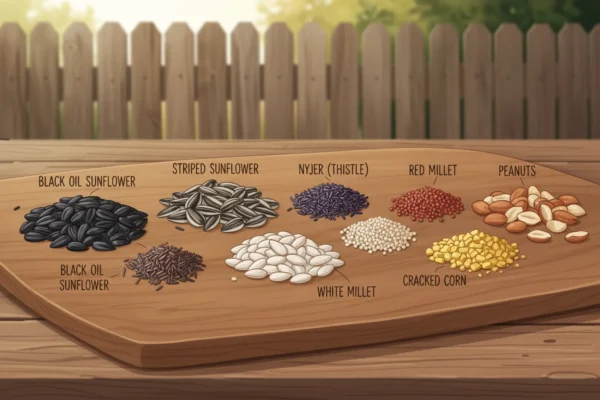
Bird Seed Supplier in China: Bulk & Private Label Sourcing
Review bird seed specifications, import checks, batch testing and wholesale quote details.