
HunterSourcing offers fabric sourcing services in China for brands and importers. We help you shortlist suppliers, compare mill quotes, coordinate swatches, inspect bulk rolls and plan delivery. Send a reference swatch or specification, quantity by color and destination. We can compare stock rolls, custom dyeing and made-to-order fabric against the same requirements.
1. Fabric options for apparel, interiors and outdoor products
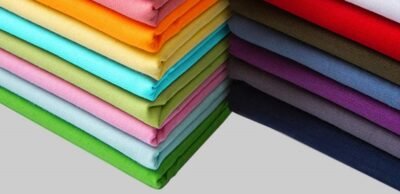
Shortlist a fabric by intended use and construction. A commercial fabric name may cover several weights, finishes and fiber blends. Use the images as category references and approve the actual fabric on a physical swatch.
Cotton fabrics

Compare weave, weight and opacity after the intended wash.
Curtain fabrics

Check light transmission, drape and width before calculating panel yield.
Custom fabrics

Choose an available base cloth and approve the finish or print repeat before bulk.
Linen fabrics

Specify fiber blend and hand feel, and approve a washed reference where relevant.
Outdoor fabrics

Agree on exposure, colorfastness and how any coating will be tested.
Polyester fabrics

Compare the appearance and properties of the finished construction.
Silk fabrics

Confirm fiber content, weight unit, drape and any lining requirements.
Sofa fabrics

Compare seam behavior, texture and shade match across panels.
Upholstery fabrics

Specify application, backing, abrasion test and minimum cuttable width.
2. Compare fabric specifications, prices and minimum orders
Ask suppliers to quote the same fiber percentages, construction, finished weight and usable width. Require the price unit, minimum order quantity (MOQ), minimum per color and quote validity. Request separate dates for sample approval, bulk readiness and shipment.
| Example fabric | Published commercial terms | Timing and packing | Confirm in your quote |
|---|---|---|---|
| Woven cotton poplin · Feiya FYC40pp/005 | 100% cotton, 129 GSM in the model specification, nominal 57–58 in. Its catalog lists US$1.75–1.85/m FOB at a 3,000 m minimum. | Supplier lists 7–10 days for samples and 35 days for production. Request packing details and the production start trigger. | Minimum per color, price validity, named FOB port and written cuttable width. |
| Cotton stretch single jersey · Yigao | 95% cotton and 5% spandex, 180 GSM, 175 cm nominal. 500 kg per color and 1,500 kg for a three-color design. Request a written unit price. | Typically 20 kg/roll. The listing gives 15–20 days after deposit and lab dip or print approval. Ask for a separate swatch date. | Net weight per roll, usable width, shrinkage and stretch recovery after washing. |
| Woven upholstery chenille · Warmheart 10817 | 100% polyester, 520 GSM, 1,000 m per color. The listing gives both 140 cm and 145 cm for width. Request written confirmation of price, unit and cuttable width. | 30–50 m/roll in the detailed specification. The supplier lists 20–40 days for standard orders and 30–40 days for new colors. | Backing, abrasion test method and target, shade grouping and when the delivery clock starts. |
3,000 m minimum at US$1.75–1.85/m FOB. Listed production time is 35 days. Confirm cuttable width and color minimum.
500 kg per color. Listed delivery is 15–20 days after deposit and color or print approval. Ask for a written price and net meters per roll.
1,000 m per color. Listed delivery is 20–40 days for standard orders and 30–40 for new colors. Confirm price and usable width in writing.
HunterSourcing can help you build a comparable supplier shortlist. For additional channels, use the three fabric and market guides at the end of this page.
3. Approve the specification, then the sample
Put the order requirements in one document
List fiber composition, construction, finished GSM and tolerance, minimum cuttable width and color reference. Add the intended finish and performance tests only where they affect the finished item. State whether the fabric will be washed, printed, laminated or heat-set after delivery, so suppliers can sample against the actual process.
Keep a separate approval for color and bulk fabric
Start with a swatch for hand feel and construction. Use a lab dip to approve a dyed color or a strike-off to approve a print. Ask for a production-representative sample before committing the balance of the order. Label each approval with the article code, finish, date and revision. For shared colors across garments or panels, agree on a shade band and a matching-lot rule before cutting.
For a prototype, ask for stock yardage from an identified roll. For a repeat apparel program, request a replenishment policy and material change notice. For upholstery, check abrasion, seam behavior and backing with the intended application and test method before approving the order.
4. Check the mill and release the bulk shipment
Identify who contracts with you and who actually weaves, knits, dyes, prints and finishes the fabric. A sourcing partner can help verify those roles. Ask for the packing list by roll, lot labels and inspection access before issuing the purchase order.
- Approve the referenceRecord the exact article, swatch, acceptable shade band and required tests.
- Review productionConfirm that the actual finish, color and weave or knit match the order before finishing the full quantity.
- Inspect the rollsWith the agreed inspection plan, check roll lengths, cuttable width, GSM, shade continuity and visible defects. Tie each finding to the roll and lot.
- Decide whether to releaseSegregate failed lots. Agree a plan for replacement, rework or a negotiated allowance before release and recheck any corrected rolls.
Book pre-shipment inspection with a written sampling plan. For a four-point fabric inspection, use the same procedure for buyer and seller. ASTM D5430 describes visual fabric grading. Agree the scoring rules, area basis, thresholds and roll-level response in advance. Where a performance result matters, ask a qualified lab to test against the agreed method and care conditions. Record results for the actual article and lot.
For a claimed OEKO-TEX® STANDARD 100 certificate, check the number with the OEKO-TEX Label Check and compare the certificate scope with the actual fabric. If your contract requires a Textile Exchange certified content claim, ask for the supply chain scope and the appropriate shipment transaction certificate. Use Textile Exchange authentication where applicable. Check destination requirements separately.
5. Normalize the freight, landed cost and payment terms
Compare quotes on the same delivery scope and by usable meter. Specify net roll length, roll count, outside diameter or package dimensions, gross weight, wrapping and lot markings. Use express or air quotes for urgent samples and obtain sea LCL and FCL comparisons where roll size or shipment volume makes the difference material. Ask the freight team to show origin handling, main carriage, destination fees and delivery separately.
For a quote by kilogram, divide 1,000 by GSM × finished width in meters to estimate linear meters per kilogram. For example, 180 GSM at 1.50 m gives about 3.70 m/kg before trimming or losses. Confirm whether the billed weight excludes cores and wrapping, then check actual roll lengths.
The Yigao jersey listing gives bank transfer (T/T) and a sight letter of credit (L/C) as payment options. Have both parties agree the deposit, the approval or inspection milestone that releases the balance, bank details and handling of failed lots in writing. Confirm the beneficiary against the signed contract before payment.
6. Frequently asked questions
6.1 Should I buy from a mill, a converter or a stock seller?
Start with the supply route that fits your reorder plan. For a trial, a stock seller can offer an existing roll if you can verify the lot and reserve it. A converter can arrange dyeing or finishing on base fabric, while a mill may suit a repeat program with a fixed construction. Ask who makes each stage, who invoices you and who must correct a failed lot. For a repeatable article, get the mill code and change approval in writing.
6.2 Can I order a small quantity in several colors?
Ask for the total order minimum and the minimum per color separately. Four colors at 100 m each would not meet a 500 m total minimum, and 500 m split unevenly still needs to satisfy each color minimum. For a launch, compare a smaller stock palette with a custom run on one base fabric. Have the supplier confirm how it counts quantity before you approve the palette.
6.3 What can I send if I don’t have a fabric specification yet?
Send a physical reference swatch if you have one, plus the intended use, color count, order size and delivery country. A photo can help communicate color and texture, but a swatch gives the supplier a reference for weight, hand feel and stretch. Ask us to identify which details must be measured before mill quotes can be compared. Approve the written specification before the bulk run.
6.4 What if the bulk rolls do not match the approved sample?
Ask the inspector to record the roll and dye lot, the approved sample code, the difference observed and the agreed test or viewing conditions. Keep the affected rolls separate while the supplier proposes rework, replacement or an allowance. Ask for a second check against the signed sample and purchase order before deciding whether to release those rolls.
6.5 Can I source fabric separately and send it to my garment factory?
Yes, if the garment factory accepts buyer-supplied fabric and both suppliers agree how delivery and loss will be handled. Ask the factory to specify consumption at your usable width, receiving checks, approved substitute rules and what happens if shrinkage or defects reduce yield. Get a single handoff plan that names who replaces rejected rolls and who pays the extra freight.
6.6 How are swatch, courier and inspection costs agreed?
Ask for an itemized written scope before authorizing work. List the swatches or sample yardage, courier charges, inspection scope, lab tests and any reinspection fee as separate items where applicable. For a failed inspection, agree who pays for a repeat visit or replacement freight in the purchase order. That way you can compare two quotations on the same scope.
6.7 How can I prevent shade mixing in bulk rolls?
Ask for a roll list with lot IDs and lengths, a shade band, and rules for matching visible panels. Inspect against the signed color standard under the agreed lighting. For sensitive colors, request cuttings from separate lots before release. If one group fails, segregate it and verify a replacement lot before cutting or approving shipment.
6.8 What should I check on a textile certificate or test report?
Match the supplier or certificate holder, material, finish, scope and validity to the product you are buying. Check OEKO-TEX numbers through the issuing program. Where a Textile Exchange certified content claim applies, verify the relevant shipment certificate and chain-of-custody documentation. For physical performance, request a separate report covering your fabric, test method and use.
Source: OEKO-TEX Label Check.
6.9 When does the lead time start, and when should I ship?
Confirm which approvals and payment milestones start the production clock, then plan separate dates for lab dips, bulk readiness, inspection, freight and delivery. Ask whether available stock is physically reserved. If there is a fixed launch date, compare shipping sample or priority rolls separately, keeping a record of the shade groups that may be combined.
6.10 Who can hold or release rolls after an inspection?
Name the person who can authorize release in the purchase order. HunterSourcing can coordinate the inspection and request segregation with the supplier under the agreed scope. Your designated approver decides whether to release compliant rolls, request rework or approve an exception in writing. Match the final packing list to the released roll IDs before handoff to the carrier.
7. Request a fabric quote or sample
Tell us what you want to buy and which services you need. We can help with supplier comparison, sample coordination, roll inspection and shipment planning. Learn how our product sourcing service works and meet the HunterSourcing team.
What you can ask us to deliver
We agree the scope and fees with you before work starts. Use these deliverables to specify which decisions you want help with.
- Supplier comparison. A shortlist that shows the quoted construction, minimums, lead time, trade term and who performs the key processes. You choose which suppliers to sample.
- Sample approval record. A record of the approved swatch, shade or print, article code and revision. Your team signs off on the reference and any changes.
- Roll inspection summary. Roll and dye-lot identifiers, measured length and width, and findings against the agreed inspection plan. You review exceptions and approve any allowance or reinspection.
- Release and handoff. A record of held lots, agreed corrective actions and the roll list for shipment. You decide which lots to release. We can coordinate the agreed handoff with the supplier and freight team.
Fabric Quote Template
Start with these four details. Copy the template, fill in what you know, and paste it into the inquiry form below.
What will the fabric be used for?
Reference photo link or swatch description:
Estimated quantity and unit (meters, yards or kilograms):
Delivery city and country:
Show full fabric specifications
Add the details you already know. Ask the supplier to suggest the rest and explain any effect on price or lead time.
Fiber composition and woven or knit construction:
Finished fabric weight (GSM) and tolerance:
Minimum cuttable width, excluding selvage:
Finish and required performance or test method:
Colors or prints and quantity per color:
Swatch, lab dip or print sample approval and due dates:
Inspection method, tolerances and roll acceptance criteria:
Required arrival date and requested Incoterm:
Please itemize unit price, minimum per color, sample and courier fees, lead-time start, roll packing, payment terms and quote validity.
We use the details you provide to respond to your inquiry. Read our Privacy Policy.
Related Articles

How to Find a Reliable China Fabric Supplier?
Review China fabric suppliers and what to check before you shortlist one.
Wholesale Fabric Market China: A Buyer’s Sourcing Guide
Compare textile wholesale markets and plan your sampling trip or remote shortlist.

Unveiling the Best Curtain Suppliers in China
Compare curtain materials and supplier options for window treatment orders.