
How to Choose a Courier Bag Manufacturer in China
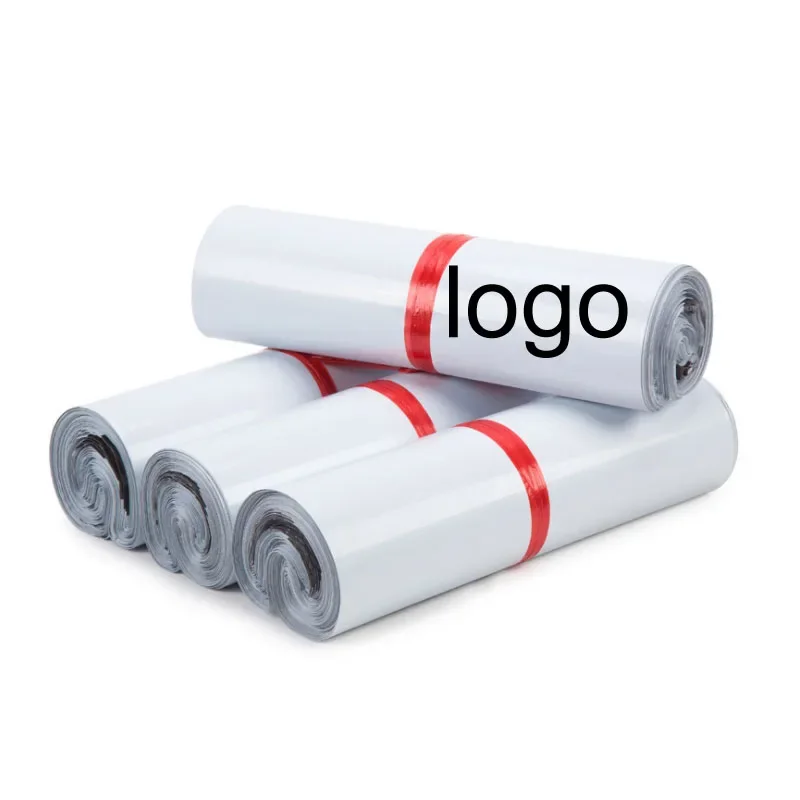
Compare a courier bag manufacturer in China by the usable size, film construction, closure and delivered cost of a bag that fits your actual parcel. Start with stock flat poly mailers for soft goods if you are still learning your order mix. For custom printing, seal security or recycled-content claims, approve the exact construction and a finished sample before placing the bulk order.
China Courier Bag Manufacturers for Custom Poly Mailers
| Supplier and product | Published MOQ or price breaks | Sampling or timing | Confirm in writing |
|---|---|---|---|
| DOY Label · RP11 black logo mailer | 1,000 pieces standard MOQ for this product. Price by quote. | Schedule confirmed after specification, artwork and samples are agreed. | Confirm minimum per size and artwork, film structure and artwork setup cost. |
| PASIKE · custom courier poly mailer | USD 0.03 each at 20,000 pieces and USD 0.02 each at 100,000 pieces on the named listing. | Confirm sample route and the production clock directly for the variant quoted. | Obtain a written specification and named trade term. Keep the listed unit price separate from delivered cost. |
| SG Packaging · grey custom PE mailer | USD 0.17 each at 5,000–9,999 pieces and USD 0.15 at 10,000+ on the marketplace listing. | USD 0.10 listed per sample. Freight and delivery timing require a separate inquiry. | Check dimensions, print, exact grade, sample courier fee and destination charges. |
| WH Packing · handled poly mailer | Typically 10,000 pieces per size or design for the listed product. | The product page gives approximately 7–10 days for plain bags and 15–18 days for printed bags in its FAQ. | Confirm whether the quoted clock is for custom samples or bulk production. Get separate milestone dates. |
Each entry describes a specific supplier listing, with different sizes, print and delivery terms. Requote your exact configuration before comparing offers.
1. Which type of courier bag fits your shipment?
Here, a courier bag is the outer packaging that goes through a parcel network. Match the construction to the failure you are trying to prevent, such as an open flap, a puncture at a corner, a crushed item or a damaged shipping label.
| Mailer type | When to sample it | What to check before ordering |
|---|---|---|
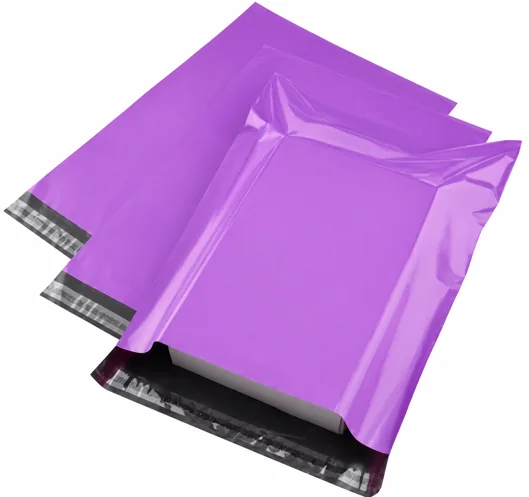
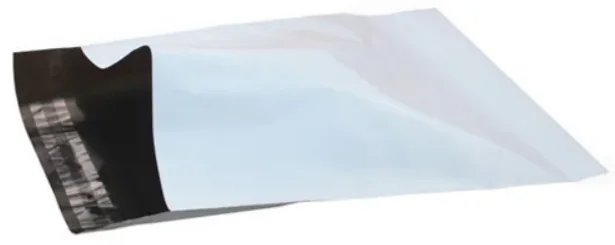
| Flat PE poly mailer | Folded apparel and other soft, non-fragile goods | Usable size, opacity, seam integrity and adhesive performance on a packed sample. |
| Padded or gusseted mailer | Bulky soft goods or products that need limited scuff and impact protection | Internal dimensions after adding padding, sealing space, packed thickness and whether the product still needs a rigid box. |
| Tamper-evident or return mailer | Retail shipments requiring an opening indicator or a second closure for returns | What visible change an opening attempt leaves, second-strip usability, and numbering or barcode requirements if used. |
| Paper mailer or corrugated box | When rigidity, corner protection or a different material is required | Moisture exposure, packed-item protection and actual recycling instructions at destination. Use a corrugated box if the product cannot tolerate compression. |
2. How to specify size, film thickness and sealing
Send a drawing and a packed reference item. Ask for dimensions that describe the space you can use, rather than assuming every supplier measures the flap, seam and padding the same way.
| Specification | What to put in the RFQ | How to approve it |
|---|---|---|
| Size and clearance | Internal width at the opening × usable internal length, excluding the flap. Specify flap depth, seams and gusset separately in mm. | Pack the largest and thickest intended SKU as it will actually ship. Fold the flap without stretching the bag or covering the label area. |
| Film structure | Polymer, layers, target single-wall thickness and tolerance. Specify inside/outside colors, opacity and any agreed recycled-content percentage. | Have the supplier report thickness at several points across a single wall. Record measurement locations and the range, including any readings outside tolerance. |
| Closure and seams | Adhesive type, closure strip count, flap geometry, tear strip and any continuous document pocket. | Seal filled samples at expected packing temperatures. Check liner release, edge lifting, seams and the visible evidence of opening. |
| Print and labels | Artwork version, colors and sides, printed area, unprinted label zone and barcode placement if required. | Approve a physical pre-production sample for color, rub-off, register, label adhesion and scanning after packing. |
| Carton packing | Pieces per inner pack and per carton, carton dimensions, gross weight, SKU labels and lot code. | Count a carton and confirm the dimensions and weight on the actual pack before booking freight. |
Use one thickness convention across all quotes. One mil is 0.001 inch, or 25.4 µm. A sample at 2.5 mil is 63.5 µm per wall when the listing uses single-wall gauge. As a published sizing example, Inteplast lists a 12 × 15 in poly mailer with a separate 1.5 in lip, 2.5 mil gauge and 500 bags per case. Treat that as a reference SKU, then check the fit and protection needed for your own order. Inteplast poly mailer specification sheet.
3. Courier bag MOQ, unit prices and lead times
Minimums depend on the bag, print run and factory setup. Ask for a stock trial, one custom size with one artwork version, and a repeat run on the same specification. Get minimums per size and design in writing, especially when ordering multiple SKUs.
Use the supplier comparison above to identify the offers you want factories to re-quote on the same specification.
For example, at PASIKE’s published prices, 20,000 bags cost USD 600 in listed goods and 100,000 cost USD 2,000. In this example, reaching the lower unit price requires USD 1,400 more in goods spend and leaves 80,000 additional bags to store or use. Plate charges, freight, duties and inspection are outside that calculation.
4. How to Vet an OEM Courier Bag Factory in China
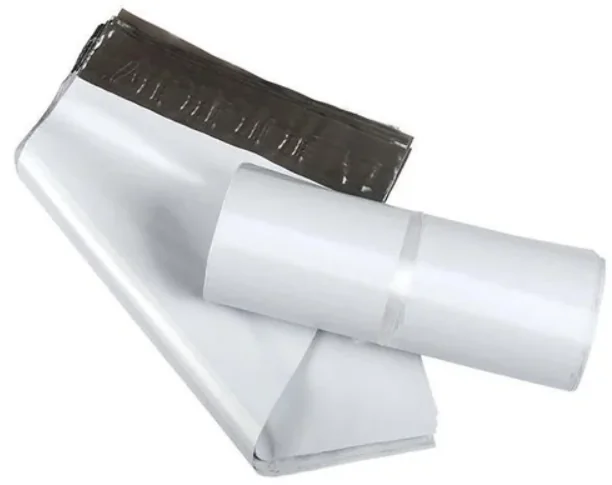
Ask which site makes the film, prints it and converts it into finished bags. One supplier may coordinate several sites. Record who owns each step, where inspection is possible and which company signs the purchase order and receives payment.
- Confirm legal entity, production site and outsourced steps.
- Sign off on a finished sample, drawing and artwork version.
- Agree on the bulk inspection methods, defect categories and acceptance rules.
- Match the checked lot to carton labels, resolve defects and approve release.
For one example of a category-specific supplier to screen, Leadpacks lists courier mailers with handles. Ask for the location that will make your film and the handle configuration on the actual sample before adding a supplier to your shortlist.
What to inspect on finished courier bags
- Fit and gauge: Record usable width, length, flap depth, gauge and sample locations against the agreed tolerance.
- Closure and materials: Check the release liner, adhesive bond on filled samples, seam openings and the appearance after opening. For a laboratory program, distinguish film tear from seal strength. They are different measurements.
- Print, label and count: Compare color and artwork version, test label adhesion and any required scan, count packs and trace the lot to the shipping carton.
- Nonconforming goods: Agree in advance which defects require sorting, remake or reinspection. Record the buyer’s release decision for the specific lot.
For lab work, ask which version and conditions of the method apply. ASTM D1922 measures propagation tear of plastic film. ASTM F88/F88M addresses seal strength of flexible barrier materials. Check whether the lab’s method applies to the seam or closure in question. For an agreed sampling plan and lot-release checklist, see our China quality inspection service.
Verify recycled content, recyclability and other claims
Ask for evidence describing the finished bag, including film structure, inks, adhesive and labels. Record the basis of any percentage (whole bag or film by weight) and whether the recycled feedstock is post-consumer or pre-consumer. If a buyer requires a scheme such as GRS or RCS, check the exact site and product scope, certificate validity and any transaction documentation required for that order. Recyclability depends on the finished construction and collection options in the destination market. For U.S. marketing, review the FTC Green Guides summary before printing claims on the bag.
5. Freight, payment and lead-time planning
Ask for a line-item quotation showing the included work, trade term and named place, total carton count, carton dimensions and weight, dispatch date and transit estimate. Get a separate line for artwork, tooling, sample courier charges, inspection and delivery fees where applicable.
- Sample or trial: Request an express delivery estimate using the packed size and weight. For an urgent replenishment, compare air and sea on the same door-to-door basis. Keep a local stock alternative when you cannot risk missing a launch.
- Bulk delivery: Compare air, consolidated ocean freight or a container service for your order’s packed volume and destination. Ask the forwarder about origin and destination fees, customs responsibility and time to the receiving dock. If shipping to a 3PL, confirm appointment rules and carton label format.
- Payment: WH Packing lists a 30% advance with the balance before shipment for its published example. For your purchase, agree the deposit basis, balance trigger, acceptable evidence and the beneficiary. Confirm changes to bank details through a previously verified supplier contact.
Use ICC Incoterms® 2020 to identify delivery tasks and risk transfer. FCA can be used across transport modes. FOB is restricted to sea or inland waterway transport. Set payment and defect remedies separately in the order. Compare landed cost per expected usable bag: add goods, setup, inspection, freight, applicable duty and destination charges, then divide by the usable quantity. Contact your broker for tariff classification and import requirements for the exact bag and destination.
6. How to Request Quotes from Shipping Bag Suppliers in China
These examples illustrate how to choose an order route. Start with the packing station and the contents, and add custom features only where they reduce a specific failure or serve a defined purpose.
| What you are shipping | First purchase choice | Gate for moving to bulk |
|---|---|---|
| Apparel launch, order mix still uncertain | Trial a stock PE mailer in the most common size with a separate brand label. | Move to printed stock when the packing tests, demand and amount of usable storage justify the extra commitment. |
| DTC apparel with a mail-back return option | Sample a two-strip mailer and include a short packing instruction for the first closure. | Have a tester open it as a shopper would and use the second strip. Check that it still fits and scans when returned. |
| A rigid subscription item with exposed corners | Compare a padded mailer with a fitted corrugated box on a fully packed product. | Run a transit trial and check corner damage, pack time and carrier charges before committing. |
What to send a manufacturer for a comparable quote
Open the courier bag RFQ checklist
- Packed-item dimensions, weights and photos; usable bag dimensions; flap and gusset details.
- Single-wall gauge, tolerance, polymer, opacity, closure strips and required claims evidence.
- Artwork version, sides, colors, label area and expected per-SKU quantity.
- Stock and pre-production samples, quoted price tiers, tooling and sample costs.
- Inspection points, carton packing, delivery location, named trade term and need-by date.
- Payment milestones, change approval, and handling of defects, short counts and late orders.
7. Courier bag sourcing FAQs
7.1 Can I order custom poly mailers below a factory’s standard MOQ?
Often the lowest-commitment route is a stock bag with a separate logo label or one print design and size. Ask for the minimum per size, color and artwork, and quote the label and application labor as part of the trial. Compare the cost of bags you are likely to use before changing the artwork. One supplier’s low published minimum does not tell you which print and film combinations it offers.
Source: DOY Label’s published RP11 terms.
7.2 How do I choose the right size when my product has depth?
Measure the product in its shipping configuration, including inner wrapping and any accessories. Request internal dimensions and a sample one size above your estimated fit. Test insertion on the packing bench and check whether the flap closes without pulling at seams. A padded bag with the same quoted outer dimensions can have less room inside.
Source: Interplas sizing guide.
7.3 What film thickness should I ask for?
Use the single-wall thickness of a bag that already works as the first comparison point. If you do not have a reference, request two gauges in the same film construction and test both on the packed item. A thicker bag does not automatically fix weak seams, corner punctures or a poor closure. Write down both the tolerance and the failure modes that must pass.
7.4 How can I check whether a courier bag is actually tamper-evident?
Ask the supplier to show what happens when someone lifts the flap or opens a seam. Seal filled samples under your packing conditions, wait the agreed time and try opening them. Define the visible evidence that counts as a pass and decide whether you also need a unique number or a barcode. Use an additional shipping control if evidence of opening alone will not protect the contents.
7.5 Do I need a padded mailer or a box for rigid items?
Use a padded mailer for products that can tolerate some load but need surface or light impact protection. Use a box or another rigid pack when the product cannot tolerate compression or has sharp corners likely to puncture the bag. Confirm the decision with an actual packed shipment trial and compare condition on arrival as well as freight and packing labor.
7.6 Can I print a recycled or recyclable claim on the bag?
Approve the exact wording only after verifying the proposed bag and destination. A recycled-content claim needs supporting evidence and a clear percentage basis. A recyclability claim also depends on the finished structure and local recycling access. If the supplier changes film, coating or label, recheck the basis for the statement before running the artwork.
7.7 How do I prevent print and adhesive problems in the bulk run?
Approve a physical sample with the intended film, ink, artwork and adhesive. Record how to check ink rub, label adhesion, scan performance and the filled flap. Include the sample revision in the purchase order and inspect production bags against it. If a substitute material is proposed, require a new approval before production continues.
7.8 When does the production lead time usually start?
Ask the factory to name its start condition in writing, such as the approved artwork, sample approval, deposit receipt or all three. Get a separate ready-to-ship date and freight estimate. Work backward from the date the bags must reach your warehouse and reserve time for inspection and corrections. When dates are tight, compare a stock shipment and a scheduled custom reorder.
7.9 How do I compare prices when two factories quote different shipping terms?
Request a named place or port and have the forwarder fill in the costs for the same destination and carton list. Include one-time setup and any receiving fees. Divide by the expected usable quantity, then check the extra inventory you would have to carry to get a larger-run price. For 3PL delivery, ask whether custom packing supplies attract receiving, handling or storage charges.
Source: ICC Incoterms® 2020 rules chart.
7.10 What should I agree with the supplier if bags fail inspection?
Set the evidence, decision deadline and remedy before paying a deposit. Distinguish a fixable count or artwork issue from a safety or seal failure that warrants holding the affected lot. Put sorting, replacement, reinspection and additional freight responsibilities in writing. Keep the approved sample, carton labels and batch photos so the factory can trace what went wrong.
8. Request a courier bag quote or samples
HunterSourcing is a China sourcing agent. Our sourcing team can help shortlist factories, coordinate samples and agree a project scope for order follow-up, inspection and shipping. To start, send the packed item, bag specification, target quantity and destination. If you want samples first, say so in your message so we can confirm availability, costs and timing.
Send your courier bag requirements
Use the inquiry form below. Include your destination and exact requirements so we can assess the request.
We use your inquiry details to respond to your request. Read our Privacy Policy.
Related Articles
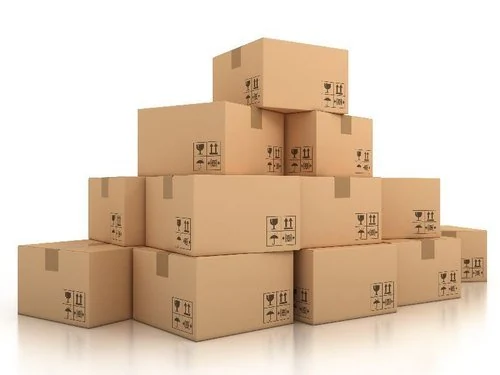
Corrugated Box Manufacturers in China: A Buyer’s Guide
Compare corrugated carton types, strength and landed cost when products need protection from crushing.
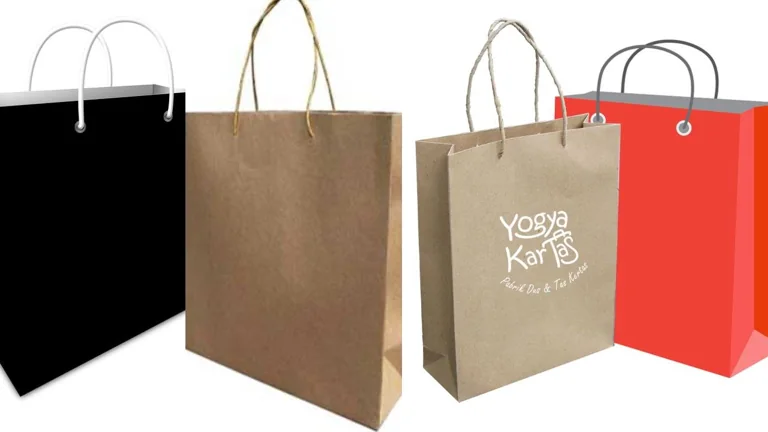
13 Ways to Find Paper Bag Manufacturers from China Buying Guide
Compare paper bag materials and suppliers when the order calls for retail carry bags or branded paper packaging.
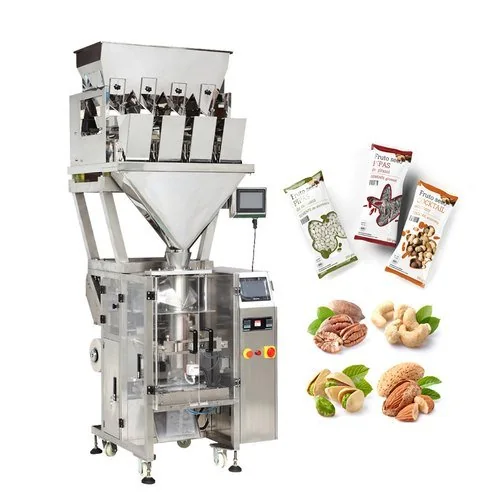
A Sourcing Guide: Top Packaging Machine Manufacturers in China
Review packaging equipment options when your warehouse needs to improve how it fills, closes or labels packs.
Related Post

The demand for gift boxes has been growing rapidly mainly because people are consuming more food and beverage Read more

Choosing the best pallet company for your business can be a hard task. There are many factors to Read more

[fusion_builder_container type="flex" hundred_percent="no" equal_height_columns="no" menu_anchor="" hide_on_mobile="small-visibility,medium-visibility,large-visibility" class="" id="" background_color="" background_image="" background_position="center center" background_repeat="no-repeat" fade="no" background_parallax="none" parallax_speed="0.3" video_mp4="" video_webm="" Read more
Get Free Quote

Contact Us Get Free Quote!
* Please kindly fill out the form for inquiry
* we will reply to your inquiry within 24hours