
Bike Manufacturers in China: Models & Factory Buying Guide
Choosing a bike manufacturer in China starts with the bicycle your customers need, then the factory, complete build and support behind it. Compare a signed bill of materials, representative sample, quality records and landed cost—not a factory name or an impressive derailleur alone.
HunterSourcing is a China sourcing agent. We help buyers research suppliers, compare quotations and coordinate agreed sample, order and inspection work. The examples below distinguish published brand-model specifications from supplier roles and commercial terms, so each source can be used for the correct purchasing decision.
Send your destination, bicycle type, quantity by size and colour, and target delivery date. We can then agree whether you need a supplier shortlist, quotation comparison, sample plan or inspection scope, with charges confirmed before chargeable work.
1. Match the Bicycle to Your Sales Channel
Buyer takeaway: Choose the bicycle’s intended use and sales channel before comparing factories. Advance a supplier only when the proposed build, evidence and destination assembly plan fit that brief.
| Buying route | Factory specification to settle first | Evidence that helps the decision | Hold the decision if |
|---|---|---|---|
| Mountain / trail retail | Intended riding category, frame geometry, fork, tyres and brake system | Complete-bike specification and applicable strength/performance evidence for that use | Intended riding category or relevant complete-build evidence is unresolved |
| Road / fitness range | Fit, frame/fork construction, drivetrain, braking and wheel/tyre compatibility | Geometry chart, component identities, measured sample and destination requirements | Geometry or fitted component codes differ from the approved build |
| City / folding range | Rider/load limits, hinges/locking, folded dimensions, luggage accessories and maintenance | Functional sample checks, instructions, packing measurements and compatible spares | Hinge/load limits, locking instructions or service parts remain unresolved |
| Children’s bicycles | Intended users, maximum saddle height, fit, brakes, labels and assembly | Destination-specific classification and evidence for the selected complete build | Intended-user classification, brake design or applicable evidence remains unresolved |
An attractive frame photograph cannot establish load limits or permitted use. State whether a bike is for paved commuting, ordinary off-road riding or another defined application; do not assume a suspension fork makes a model suitable for jumps or competition.
2. Compare Five Published Models from China Manufacturers
Buyer takeaway: Separate the specification of a branded bicycle from the ability to supply your private-label order. The five models below belong to three mainland manufacturer groups; OEM arrangements require their own scope and authorization.
Five catalogue examples from three mainland China manufacturer groups show how specifications differ. They are reference points for an RFQ, rather than a factory-quality ranking or an assurance that a branded model can be relabelled. Each linked model specification was checked on 10 November 2026; catalogue pages are undated. Confirm the current revision and written OEM authorization where relevant.
| Supplier / exact model | Published construction / wheel size | Drivetrain / brakes | Published size or mass detail |
|---|---|---|---|
| TRINX X5 PRO | Alloy frame; 29 × 2.1in tyres; 100mm suspension travel | 10-speed chain; Deore SL-M4100 / RD-M4120; Shimano BR-MT200 hydraulic disc | Frame-size and cassette entries require clarification; weight quote-required |
| TRINX JUNIOR 3.0 | Alloy frame; 20 × 2.125in tyres; 30mm fork travel | 7-speed, 14–28T; Shimano RD-TY21-B; mechanical disc | Supplier’s frame notation: 20in × 280mm; age/saddle height not stated |
| CAMP RADON | Aluminium frame, carbon-fibre fork; 700C × 28C tyres | 2 × 9; Sora front/rear derailleurs; rim brakes | Table: 460/480/500/520mm; about 9.8kg in small size without pedals/small accessories |
| CAMP P9 | Aluminium folding frame, high-carbon steel fork; 20 × 406 wheels | Sora 9-speed; IIIPRO hydraulic disc | Approx. complete-bike mass 12.5kg; inclusion basis to confirm; folded 83cm L × 65cm H × 35cm W |
| PARDUS ROBG3 AL—EGR | AL6061-T6 frame; carbon fork; fitted 700 × 30C tyres | 1 × 12 electronic shifting; 11–42T; L TWOO BR-EGR hydraulic disc | XXS–XL; 12 × 142mm rear / 12 × 100mm front axles; mass not stated |
2.1 TRINX: identify the actual production site
TRINX’s contact page identifies Guangzhou Trinity Cycles Co., Ltd. in Huadu, Guangzhou. Its group information describes production in more than one country. Record the plant making your order, the legal seller and any subcontracted frame, paint or assembly work. The JUNIOR wheel size alone does not determine a child’s age suitability or U.S. sidewalk classification.
2.2 CAMP: reconcile configuration and weight details
CAMP’s company history identifies its Huizhou/Boluo operation, while older introductory text refers to Shenzhen. Confirm the current contracting and manufacturing locations. RADON’s size selector additionally includes 540mm, absent from its table. Both model pages allow component changes by batch: your purchase order should instead define the agreed parts and substitution approval.
2.3 PARDUS: distinguish a complete build from frame claims
The domestic PARDUS site identifies 山东泰山瑞豹复合材料有限公司 in Leling, Shandong. The selected EGR page has a ROBG3 heading but ROBG1 frame identifier; resolve the revision before ordering. Electronic shifting is not motor assistance. Fitted tyre width, permitted clearance and complete-bike weight are different fields; avoid substituting one for another.
2.4 Separate production capability from the sales channel
| Business / public source | Published role and customization | Before selecting an order route |
|---|---|---|
| Sirius Bicycle Parts, Pingxiang, Hebei; OEM FAQ | Describes manufacturing adult/children’s bicycles; FAQ offers logo, colour and carton customization | Confirm legal contracting name, exact site, proposed build and which frame/paint/assembly operations it performs |
| HUYSER (HK) INTERNATIONAL GROUP LIMITED; manufacturing network | Describes itself as a foreign-trade enterprise using cooperative mainland production sites; offers custom builds | Identify the actual mainland factory, seller and process responsibilities; distinguish partner capability from owned production |
These supplier-published descriptions were checked on 10 November 2026. They identify enquiry routes, with order-specific verification and approval still required. The model examples above establish a specification reference; customization scope, brand rights and commercial terms must be agreed separately.
The following third-party factory tour provides conventional-bicycle production context. Relate any visible process to the actual plant, build and order you propose to use.
Factory-tour video by China Rides, published 17 April 2026. The headline is the publisher’s description. Use the footage to frame process questions; confirm current site, equipment and order scope directly with the supplier.
3. Lock the Bill of Materials and Approved Sample
Buyer takeaway: Approve one dated complete build and its bill of materials before production. Tie every proposed part change to compatibility, evidence and written buyer approval.
From the factory’s perspective, a clear bill of materials (BOM) lets purchasing and assembly teams build the same bicycle repeatedly. From the buyer’s perspective, it prevents a good showroom sample from becoming a different retail product.
| BOM / drawing field | Record for sample approval | Production acceptance evidence |
|---|---|---|
| Frame / fork / geometry | Material, model/revision, sizes, stack/reach/standover, intended use and load limits | Traceable frame/build identity, dimensions and relevant test scope |
| Wheels / tyres / axles | Wheel and tyre dimensions, rim/tyre compatibility, hubs, axle standards and supplied fittings | Matching part codes, true/running condition and component instructions |
| Drivetrain / brakes | Exact levers, derailleurs, chain, cassette, crank, brake models and compatible combinations | Parts identity, function and approved installation/setup records |
| Cockpit / contact points | Handlebar/stem, seatpost, saddle, crank lengths, grips and permitted adjustments | Correct sizes and manufacturer-specified fixing/adjustment checks |
| Finish / graphics / packing | Colour reference, artwork revision, marking, accessories, manual and packing design | Approved visual reference, label proof, contents and packing photographs |

Keep a dated complete reference sample, the signed BOM and open-issue list. A replacement part requires written identification, compatibility review, any necessary evidence update and buyer approval before use. Define which first-off or production sample will be checked, who approves it and which changes trigger another review.
For fit, request geometry rather than relying on S/M/L labels. Canyon’s geometry guidance explains stack/reach and cockpit differences. Verify the full intended size range with qualified fitting input where needed; one sample size does not establish fit for all customers.
4. Compare MOQ, Prices, Lead Times and Payment
Buyer takeaway: Compare quotations only after fixing the same build and quantity split. Read MOQ, price and timing with the supplier, sales channel and starting event attached.
Ask for the minimum by model, frame size, colour and build—not only a headline order quantity. Distinguish an available branded model from a private-label development project. The commercial examples below come from different businesses and channels. They are not prices, minimums or lead times for the five models in Section 2. Each source was checked on 10 November 2026; obtain a dated order-specific offer.
| Public source / channel | Published indication | Use it correctly |
|---|---|---|
| Sirius — stock/sample/OEM enquiry FAQ | Single-unit samples are offered; sample price separately calculated and bulk-order credit negotiable. In-stock dispatch: 3–7 business days after payment. | Custom MOQ and bulk production timing are quote-specific; stock dispatch is not custom production or transit |
| Huyser — trade supplier standard-bicycle FAQ | Standard bicycles: one full container, minimum 500 units; stated production time 45 days. Custom terms depend on design. | Confirm quantity allocation, start event, components and peak-season capacity |
| Huyser — trade supplier payment example | 30% T/T deposit; 70% within 60 days against the bill of lading for new customers | Supplier’s published proposal, not HunterSourcing policy; obtain accepted written terms and verify beneficiary |
| CAMP RADON domestic page / P9 domestic page | RMB 1,998 / RMB 2,199 displayed; domestic delivery described as 7–10 working days, subject to stock | Domestic catalogue indications, not FOB/export prices or manufacturing lead times |
4.1 Use a quotation with the same cost basis
| Cost field | Offer A / Offer B comparison requirement |
|---|---|
| Bicycle unit and tiers | Currency per complete bike, dated validity, quantity split, exact BOM and sample reference |
| Customization / development | Paint, decals, tooling, drawings, samples, testing and any setup amortization |
| Packing / shipment | Assembly state, measured carton dimensions/gross mass, accessories, named port and Incoterms® term/version |
| Quality / service | Inspection and reinspection charges, spares, warranty scope, labor and replacement freight |
| Schedule / payment | Sample and artwork approval, component reservation, deposit/start event, production, release and balance milestones |
The selected public sources do not establish a comparable dated FOB range for the same build. Obtain current export offers rather than presenting domestic retail prices as factory costs. Confirm sample timing, production capacity and component availability separately; do not promise a generic 3–7-day custom sample or 15–45-day bulk run for every bicycle.
A lower unit offer may omit assembly, spares or packing protection. Compare landed cost per accepted saleable bicycle, including costs excluded from the agreed trade term and destination setup labor. Confirm payment instructions against the contracted entity through an established channel before transferring funds.
5. Check Production Quality and Close Defects
Buyer takeaway: Connect each finding to a production lot and agreed acceptance criterion. Record correction, reinspection and the buyer’s final disposition before closing the assignment.
Inspection should connect the approved build to identifiable production units. Agree the lot, sampling plan/AQL where applicable, defect categories, measurement methods and release rules before the inspector arrives. Shipment sampling and laboratory safety testing serve different purposes.
| Inspection block | Practical check | Useful record |
|---|---|---|
| Identity / specification | Frame size, finish, exact components, accessories, marking and manuals against the approved BOM | Serial/lot, sample selection, part labels, measurements and photos |
| Assembly / operation | Steering, wheels, drivetrain, brakes, cables/hoses and relevant fasteners | Functional findings and setup values taken from the actual component instructions |
| Structure / finish | Visible damage, weld/finish condition, edges, alignment and assembly fit | Defect location/severity, photographs and agreed disposition |
| Documents / packing | Selected build versus reports, labels, contents, protection and carton measurements | Scope-matched documents, packing photographs and shipment records |
Use the actual brake and component manufacturers’ installation instructions. Shimano’s hydraulic-disc user manual illustrates brake-function, leakage and rotor checks for its covered systems. Do not transfer another brake’s fluid, torque or wear limit to a different model.
- 1 — Agree: identify the factory/site, signed specification, sample, inspection scope and acceptance criteria.
- 2 — Inspect: record the selected units, measured findings, photographs and document gaps.
- 3 — Resolve: segregate failures, agree corrective action, costs and the reinspection required.
- 4 — Close: obtain the buyer’s release or rejection decision and record the final disposition.
If a small portion fails, the buyer may authorize shipment of accepted units while segregated rejected units are corrected and reinspected, subject to the contract and applicable requirements. If failures are widespread, critical or unresolved, hold affected goods and report to the buyer; the supplier corrects them before a second inspection. Close the assignment only when the buyer accepts the agreed goods or chooses rejection/abandonment and the outcome is documented.
5.1 Build an evidence trail for each acceptance decision
| Document / record | Identifiers to retain | Decision it supports |
|---|---|---|
| Approved build and sample | Order/SKU, frame size, BOM/artwork revision, dated approval and retained sample | Which build the factory is authorized to produce |
| Inspection finding and correction | Lot/serial, criterion, result/photo reference, responsible party, correction and reinspection | Whether an issue has been resolved for the affected goods |
| Shipment release and service record | Buyer authorization, accepted/rejected quantities, carton/transport references and part IDs | What may ship and how a later claim can be traced |
Use the downloadable worksheet to record these fields and link the actual evidence. A blank planning record is separate from a completed inspection. Our quality inspection service page explains the agreed inspection/report process; the scope for a bicycle order is confirmed against its build and destination.
6. Match Test Reports and Documents to the Market
Buyer takeaway: Classify the complete bicycle for the destination first, then match reports, certificates, labels and instructions to that build. Component branding alone does not settle the document package.
Start with destination, intended use, complete build and intended age group. Request the report number, applicant, laboratory, issue date, tested configuration, methods/results and verification route. A quality-management certificate concerns its stated system scope; it is not the complete bicycle’s safety test.
| Market / reference | What to establish before ordering |
|---|---|
| United States | CPSC bicycle guidance points to 16 CFR Part 1512 and addresses assembled and partly assembled bicycles. Confirm applicable tests, marking and instructions for the selected build. |
| U.S. children’s classification | Maximum seat height of 635mm / 25in or less is part of sidewalk-bicycle classification, not a wheel-size rule. Intended users aged 12 or younger raise the separate children’s-product question. Confirm the applicable CPC/testing route; general-use products use the applicable GCC route. |
| ISO / European standards | ISO 4210-2:2023 covers specified bicycle categories, including relevant folding bicycles; its scope excludes some specialized applications. Select the applicable standard and edition with a competent laboratory. |
| EU documentation | EU CE guidance distinguishes products covered by CE legislation. An EN/ISO test reference is not interchangeable with CE authorization; classify the exact product and destination obligations. |
For U.S. entries, the importer should also confirm the current certificate and eFiling arrangements. Link commercial invoice, packing list, model/build identity, transport documents and required evidence to the actual shipment. Obtain destination-specific advice instead of treating a general import video as a current tariff or compliance determination.
7. Plan Packing, Final Assembly and Spare Parts
Buyer takeaway: Agree exactly what leaves the factory and what must be assembled at destination. Packing protection, setup labor and proprietary spare parts all affect the saleable cost.
“85% assembled,” SKD and CKD are incomplete descriptions. List the fitted, adjusted and removed components, tools supplied, assembly steps, instructions and final checks at destination. Include dealer/mechanic setup time and responsibility before the bicycle reaches the rider.
7.1 Approve the packing design, not just a carton photo
Specify protection against component-to-frame contact, secured loose parts, vulnerable-area support and the accessories/manual pack. BikeFlights’ packing guide provides useful examples of padding, spacers and packing records for its shipping arrangements. Adapt and validate the factory carton for the actual transport and bicycle rather than copying a parcel setup unchanged.
Illustrative freight calculation: a hypothetical 1.40 × 0.25 × 0.80m carton occupies 0.28m³; 100 cartons occupy 28m³ before handling or load-plan allowances. These are calculation assumptions, not measured factory cartons or a container-capacity promise. Obtain the real gross mass, carton measurements, loading plan and route quote for sea/air and FCL/LCL comparison.
Assembly video by Park Tool: a boxed-bicycle setup example. Follow the actual bicycle and component instructions, and agree competent final assembly and checks at destination.
7.2 Keep small parts from stopping a complete-bike sale
Request model-specific derailleur hangers, axles, brake consumables and proprietary fittings, with identifiers, drawings, compatibility information and replenishment lead times. Set an initial spare pack by actual service needs. Record warranty coverage, exclusions, claim evidence, response/escalation, remedy and responsibility for labor, return freight and replacement shipment.
At delivery, photograph cartons and product condition, retain serial/lot identity and report discrepancies within the agreed claim window. Quarantine safety-related damage for qualified assessment. Do not assume a different brand’s retail lifetime warranty or a generic “free spares” statement is part of your factory contract.
8. Three Buyer Scenarios and the Next Decision
Buyer takeaway: Choose the next evidence to obtain according to your business model. The scenarios below are purchasing examples rather than reported customer outcomes.
The following are illustrative purchasing briefs, not completed customer cases.
| Buyer | Decision that deserves evidence | Practical next step |
|---|---|---|
| Independent retailer adding a city-bike line | Geometry, complete component list, final assembly labor and service parts | Sample the proposed build and have destination setup/service needs reviewed |
| Private-label folding-bike brand | Hinge/locking design, rider limits, folded size, packing and repeat-order consistency | Agree the final sample, drawings/BOM, applicable testing and substitution controls |
| Importer developing children’s bicycles | Intended user and saddle-height classification, brake design, labels and exact-build evidence | Resolve destination scope with the laboratory/importer before approving production |
9. Bike Manufacturer FAQ
Buyer takeaway: The questions below address selection, minimums, parts consistency, fit, inspection and service. Use the answers to prepare an RFQ and record what each supplier must confirm.
These ten questions translate accessible buyer/mechanic discussions and supplier FAQs into factory-order decisions; they are not a measured cross-platform popularity ranking.
9.1 How should I compare bike manufacturers in China beyond price?
Compare the exact complete build, manufacturing and assembly responsibilities, representative sample, production controls, documents and after-sales support. Ask which operations occur at the proposed site and which are subcontracted. A country label or expensive component does not establish the quality of the finished bicycle.
9.2 Does MOQ apply per model, frame size, colour or order?
Ask for quantities by model, frame size, colour and build, including separate minimums for paint, graphics and cartons. Confirm stock mixing, samples and setup charges in writing. Supplier minimums differ; a one-unit sample offer does not establish a one-unit custom production order.
9.3 How do I keep bulk bicycles consistent with the approved sample?
Retain a dated reference sample and signed bill of materials with exact component identities and dimensions. Require written approval of substitutions, compatibility review and any needed evidence update. Compare production against that revision rather than accepting a similar name or an undefined equivalent component.
9.4 Which dimensions help compare bicycle sizing and rider fit?
Request a geometry chart for each size, including stack, reach and standover, plus stem, handlebar, crank and seatpost dimensions. Compare the complete setup for the intended riders and use. Nominal S/M/L or wheel sizes alone do not determine fit.
9.5 What brake checks should a complete bicycle pass?
Identify the actual system and follow its manufacturer instructions for function, mounting, cables or hoses and compatibility checks. Resolve setup defects before riding or resale. Hydraulic systems require their specified service procedures and fluid; do not apply another model’s settings or forum shortcuts.
9.6 What does 85% assembled or knock-down packing mean?
Obtain an itemized list of fitted, adjusted and removed components, supplied tools and required destination work. Agree the manual, component-specific setup instructions and final acceptance checks. Include competent assembly labor in the cost and identify who records final setup before handover to the rider.
9.7 How should bicycles be packed and transit damage handled?
Approve protection against frame/component contact, secured parts and support for vulnerable areas. Request packing photographs and record carton/product condition on arrival. Agree notification deadlines, evidence, responsibility and remedies in the order and transport terms; isolate safety-related damage for qualified assessment.
9.8 What should a pre-shipment bicycle inspection include?
Compare specification, size, finish, parts, steering, wheels, drivetrain, brakes, fasteners, marking, accessories and packing with the approved build. Record sampling, measured results and defects. Keep routine inspection separate from laboratory testing for a particular safety standard; agree correction and release rules before shipment.
9.9 Which documents should I request before importing bicycles?
Confirm destination, intended use and age group, then match commercial documents, model/build identity, applicable reports, certificates, labels and assembly/safety instructions to the shipment. For U.S. orders, resolve the general-use versus children’s-product route and current filing requirements with the responsible importer.
9.10 What spare parts and warranty terms should I agree?
Obtain model-specific identifiers or drawings for proprietary hangers, axles and cockpit fittings, plus initial spare quantities and replenishment timing. Agree coverage, exclusions, evidence, escalation, remedy and responsibility for replacement labor and freight. Another brand’s retail policy is not the warranty for your purchase order.
Original concerns include unexpected component substitutions, sizing uncertainty and replacement hanger identification. These reported experiences help frame purchasing questions rather than establish findings about the listed manufacturers.
10. Start Your Bicycle Sourcing Project
Buyer takeaway: Start with a short purchasing brief. Agree which supplier, quotation, sample or inspection deliverables are required before chargeable work begins.
Send your destination, sales channel, intended riding category and user group, quantity by size/colour, target retail positioning and preferred delivery date. Attach the current supplier offer or reference model if available. This lets us identify the next sourcing decision before requesting unrelated catalogues.
- Supplier shortlist: agree manufacturing-site and contracting-entity checks, capability scope and the same RFQ for each offer.
- Sample decision: resolve the build, geometry, finish, packing, applicable evidence and outstanding issues.
- Production decision: approve the sample/BOM, payment milestones, change rules and inspection/release plan.
- Shipment decision: close findings, approve documents and packing, arrange transport and retain after-sales identifiers.
The agreed service may include product sourcing, inspection coordination and freight coordination. Samples, laboratories, audits, inspection/reinspection and transport may carry separate charges; scope and responsibility are agreed before work.
Download the blank bicycle RFQ, BOM and evidence-record worksheet (CSV). Use it to compare the same configuration; it is a planning template, not a supplier offer or completed inspection.
10.1 Agree What You Want Back from the Sourcing Work
| Agreed stage | Deliverable to specify | Buyer decision |
|---|---|---|
| Supplier research | Shortlist identifying legal seller, proposed plant, relevant capability and unresolved evidence | Which suppliers should receive the same RFQ |
| Quotation review | Build/quantity/Incoterms comparison with inclusions, exclusions and open questions | Which configuration and offer should advance to sampling |
| Sample coordination | Approved BOM/reference, issue log and document/packing review scope | What is ready for production and what needs correction |
| Inspection / shipment coordination | Findings, correction/reinspection status, packing/document checks and buyer-release record | Which goods can be released under the agreed scope |
The initial enquiry helps define your brief and whether the proposed service fits. Supplier research, samples, tests, factory visits, inspection, reinspection and transport are scoped and priced before chargeable work. Deliverables and timing depend on that agreement and supplier responses.
Tell Us About Your Bicycle Requirements
Include destination, bicycle type, quantity by size/colour and a reference or proposed specification.
Your details are used to respond to this enquiry; see our privacy policy. You can also email info@huntersourcing.com. Response timing is confirmed during contact.
HunterSourcing editorial guide. Manufacturer specifications and official guidance reviewed 10 November 2026. Confirm the current model revision and order-specific terms before purchase.
Related Articles

Compare electric-bike sourcing, motor and battery specifications when your range includes powered bicycles.
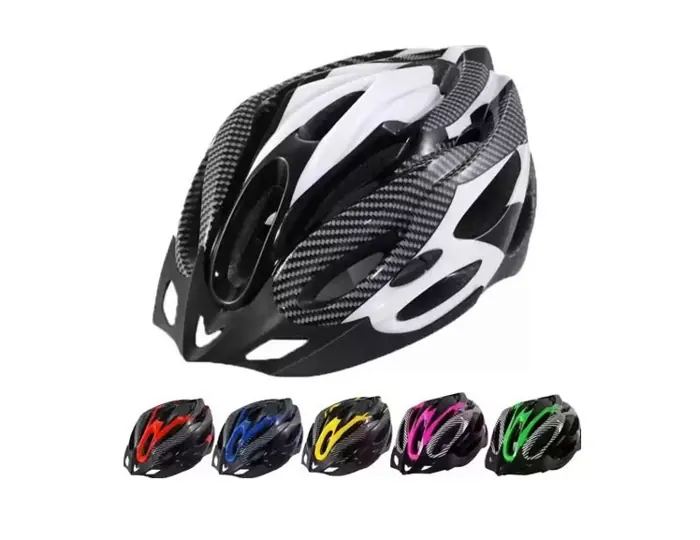
Review helmet suppliers and category-specific evidence for a complementary cycling safety product range.
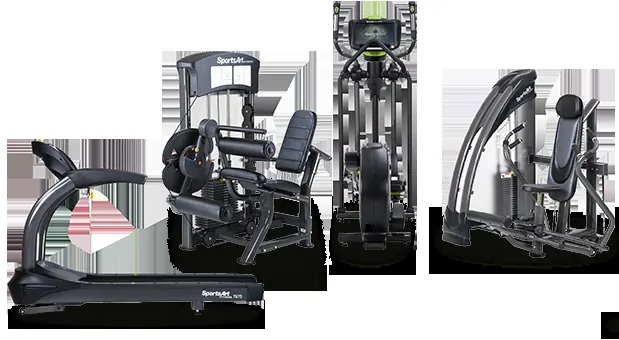
Explore China fitness-equipment suppliers when extending a cycling or sports retail assortment.
Related Post

Furniture is a must for an office or a home. It is available at varying price points as Read more
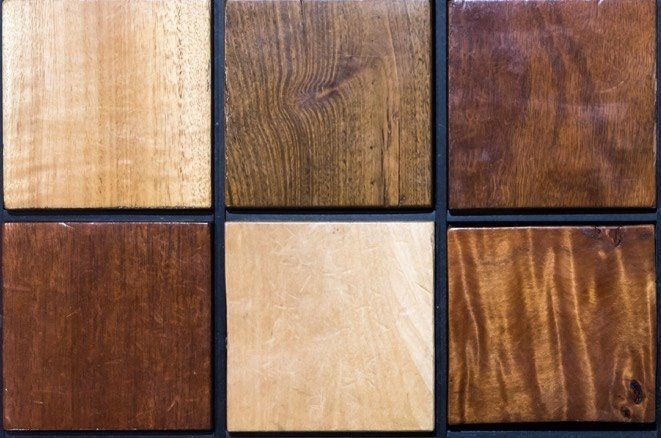
Wood is extensively used in making furniture around the world. Wood can be molded in any shape or Read more
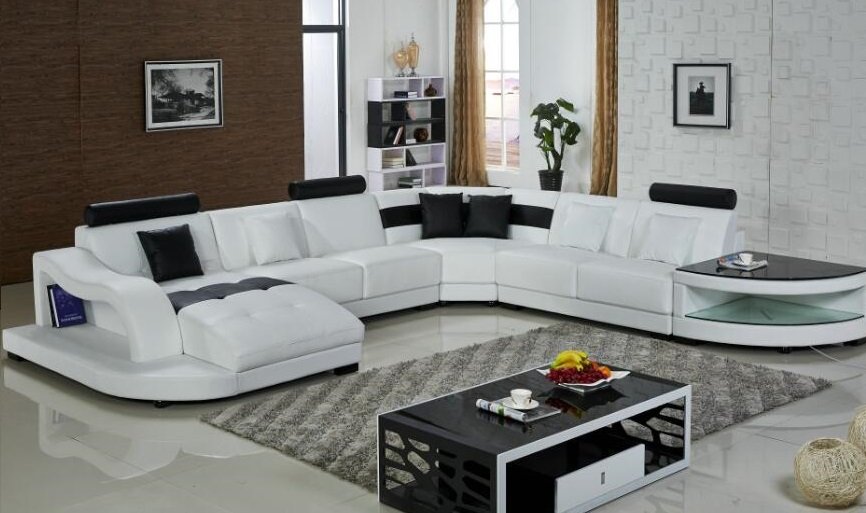
China offers many types of sofas at an affordable price. When it comes to Chinese Sofa Manufacturer, This Read more
Get Free Quote

Contact Us Get Free Quote!
* Please kindly fill out the form for inquiry
* we will reply to your inquiry within 24hours