
Hearing Aid Manufacturer in China: OEM/ODM & MOQ
Hearing aids from China: compare the exact format, approved sample, firmware, accessories, quality checks and destination-market evidence before comparing price.
Send your destination, device category, target user, quantity and packaging requirements. Samples and courier charges are confirmed before dispatch.
Compare each candidate on the exact model, firmware, accessory set, fitting method and destination-market evidence. Request dated quotations and an approved sample before comparing delivered cost.
Continue reading this article to learn more about Chinese hearing aid suppliers and manufacturers.
1. Hearing Aid Market Trends
2. Why Import Hearing Aid from China?
3. Hearing Aid Types: BTE, RIC, ITE, CIC and OTC
4. How to Choose the Right Hearing Aid
5. How to Find a Reliable Hearing Aid Manufacturer in China
6. Where to Buy Hearing Aids from China
7. Certifications and Quality Standards
8. Import Duties and Tariffs
9. Ten Hearing Aid Supplier Candidates to Verify
9.1. Xiamen Az Hearing Technology Co., Ltd
9.2. Great Earsmate Technology Group Ltd
9.3. Austar Hearing Science and Technology (Xiamen) Co., Ltd
9.4. Lisound Hearing Aid (Fuzhou) Co. Ltd
9.5. Guangzhou Melison Medical Instrument Co., Ltd
9.6. Hangzhou Health Shining Co.,Ltd
9.7. Ningbo Pinmed Instruments Co., Ltd.
9.8. Huizhou Jinghao Medical Technology CO., LTD.
9.9. Zhongshan Great-Ears Electronic Technology Co., Ltd.
9.10. Sino Hearing Technology Co.Ltd
10. Hearing Aid FAQ
11. Why Choose HunterSourcing as Your Hearing Aid Sourcing Agent
Conclusion
1. Hearing Aid Market Trends

Compare rechargeable power, wireless connectivity, fitting software and after-sales support at model level. A feature label is useful only when the supplier can demonstrate it on the sample you will approve. Separate consumer demand from regulatory eligibility before selecting a product for your market.
2. Why Import Hearing Aid from China?
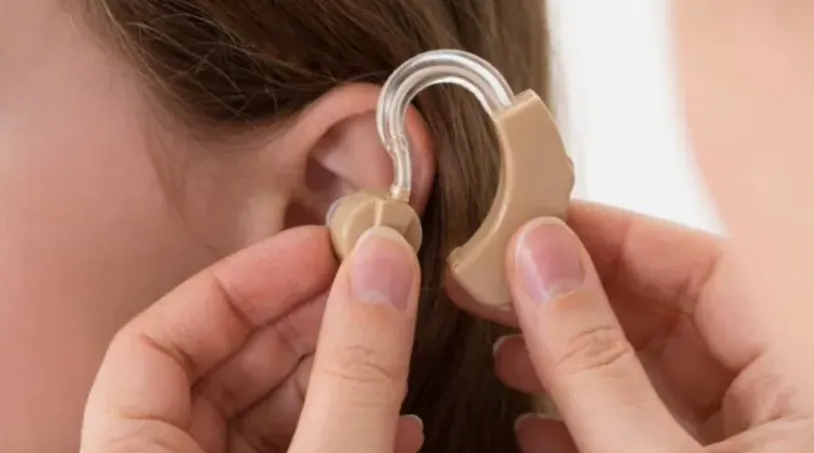
Here, we’d like to talk about the reasons you need to purchase hearing aids from Chinese hearing aid manufacturers.
• Diverse Product Range
The Chinese companies that make hearing aids are flexible because they can meet the needs of different customers with various budgets.
These manufacturers offer a wide range of products, which is very helpful.
No matter what you’re looking for, they’ll give you plenty of options.
• Competitive Pricing
If you’re on a tight budget and want to save money, Chinese manufacturers can help.
Due to factors like large-scale production, lower labor costs, and efficient manufacturing processes, they can offer their products at lower prices than competitors in other regions.
• Manufacturing Expertise
Assess manufacturing capability through an identified production site, suitable test equipment, sample performance and traceable records, rather than country-of-origin assumptions.
Therefore, Chinese producers will be able to make excellent items.
• Customization Options
Numerous Chinese manufacturers of hearing aids provide customized options to meet your specific requirements.
To better meet your demands, they give you alternatives for branding, packaging, and personalization.
• Efficient Supply Chain
China’s manufacturing chain system is incredibly strong and effective.
This ensures a short supply chain and prompt delivery of the items to all of the global clients.
• Regulatory Compliance
Reputable Chinese factories invest a lot of effort into quality checks and apply only appropriate standards to ensure the safety and dependability of their products.
Ask each factory to identify the certificate holder, product or model, issuing body and validity. ISO 13485, CE, FDA listing, RoHS and Bluetooth qualification answer different questions and do not transfer automatically between products.
• Export Experience
Due to their extensive involvement in international trade, Chinese manufacturers of hearing aids have a thorough understanding of the peculiarities of doing business with other nations.
They are well-versed in export regulations, paperwork procedures, and delivery locations.
Consequently, they streamline the import procedure and lessen the logistical difficulties faced by importers.
3. Hearing Aid Types: BTE, RIC, ITE, CIC and OTC
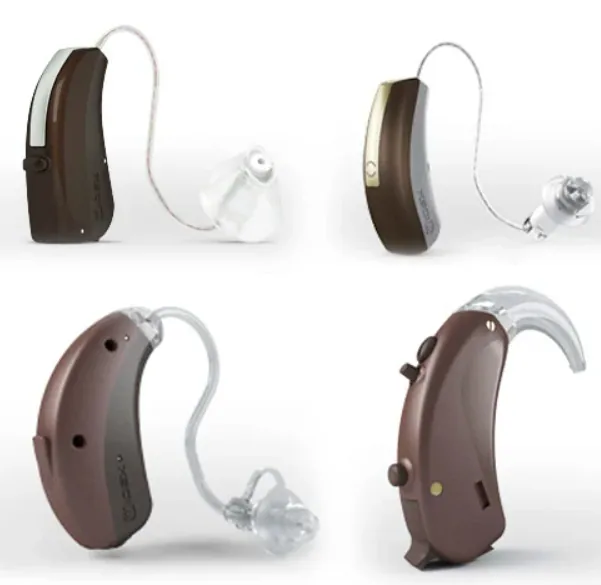
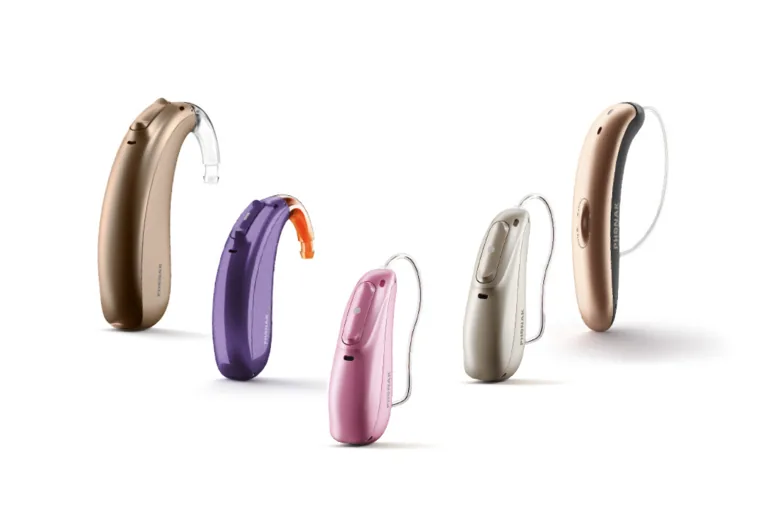
For an RFQ, separate the physical format from its electronics and sales category. BTE or CIC describes a fit; rechargeable or Bluetooth describes a feature. OTC describes a US regulatory category. Listing these as equivalent choices can produce quotations for different products.
BTE and RIC: specify the complete fitting set
Ask which receiver, tube, dome and retention options accompany each unit. Keep the approved fitting configuration with the purchase specification. A low device price can exclude accessories needed to put the unit into service; compare the whole set and its replacement parts.
ITE, ITC, CIC and IIC: define the shell process
Ask whether a unit has a stock shell or requires individual fitting information. Record responsibility for fit approval, hygiene, remakes and returns. Include handling and control access in sample acceptance, rather than accepting a small housing as proof of usability.
Digital, rechargeable and wireless: write testable requirements
Record firmware, fitting-software access, supported phone combinations and the included charger. Request the supplier’s test conditions for battery runtime. Agree how production changes, discontinued accessories and software updates will be communicated after the first shipment.
OTC: check the intended market before packaging
US OTC hearing aids are for people aged 18 or older with perceived mild to moderate hearing loss. Have the manufacturer identify the exact device pathway and labeling evidence. A catalogue heading cannot establish model eligibility. See FDA OTC guidance.
Claims that need a separate purchasing decision
For moisture resistance, request the model’s test report and care limits. For AI functions, require a demonstration with the approved firmware and agreed listening conditions. Do not infer a clinical outcome from a marketing term. Cochlear implants and bone-conduction systems require a separate assessment and are outside this conventional air-conduction sourcing guide.
Keep clinical fitting and procurement separate
The buyer can verify identity, accessories, commercial terms and agreed production tests. Individual hearing needs require the appropriate hearing-care expertise. Use the NIDCD hearing-aid overview for background and involve a qualified professional for individual device selection.
Hearing Aid Types at a Glance
| Format | Typical use and fit | RFQ fields | Evidence to request |
|---|---|---|---|
| BTE | Behind-ear housing with tube or receiver path; for different hearing needs. | Receiver option, tube length, battery, wireless features. | Approved sample, fitting instructions and applicable device documents. |
| RIC | Receiver-in-canal format for discreet fitting. | Receiver power, wire length, dome selection, battery and connectivity. | Fit trial, acoustic output specification and compatible accessories. |
| ITE / ITC / CIC | Custom-shell or in-canal formats where anatomy and fit affect suitability. | Ear impression process, shell finish, receiver and venting. | Fit approval and manufacturing method; confirm the required market pathway. |
| OTC | Self-fitting category subject to destination-market rules and audience limitations. | Market, user group, software, labeling and claim wording. | Evidence matching the exact device classification and intended use. |
The matrix compares formats, not prices. Obtain a dated quotation for the selected configuration, quantity and delivery term.
Confirm comfort and fit through the intended fitting process; housing size alone does not establish suitability.
4. How to Choose the Right Hearing Aid
Separate the hearing-care decision from the purchase decision. A suitable format for one wearer does not establish that a supplier’s whole product line fits your channel. Use a written sample-acceptance record for the exact device you intend to buy.
Confirm the intended user and sales channel
Have the responsible professional or importer define the appropriate product category. Record destination, fitting pathway, supported users and permitted claims before selecting packaging or sales copy.
Compare the delivered kit
List the device, charger, domes, receiver options, manuals and fitting tools included in each offer. Identify consumables and optional items separately so that apparently similar prices can be compared.
Set sample acceptance before dispatch
Agree how the sample will be checked for appearance, charging, controls, pairing and documented acoustic performance. Record firmware and accessories. Keep the approved unit and written specification for production inspection.
Check support after the first batch
Ask who supplies replacement accessories, resolves firmware issues and handles returns. Confirm ownership of app assets and access to fitting software. Put agreed response responsibilities and exclusions into the contract.
Make the order conditional on evidence
Do not release production solely on a brochure or badge. Reconcile the supplier identity, model documents, sample record, inspection scope and payment milestones. Resolve missing evidence before committing to quantity.
5. How to Find a Reliable Hearing Aid Manufacturer in China
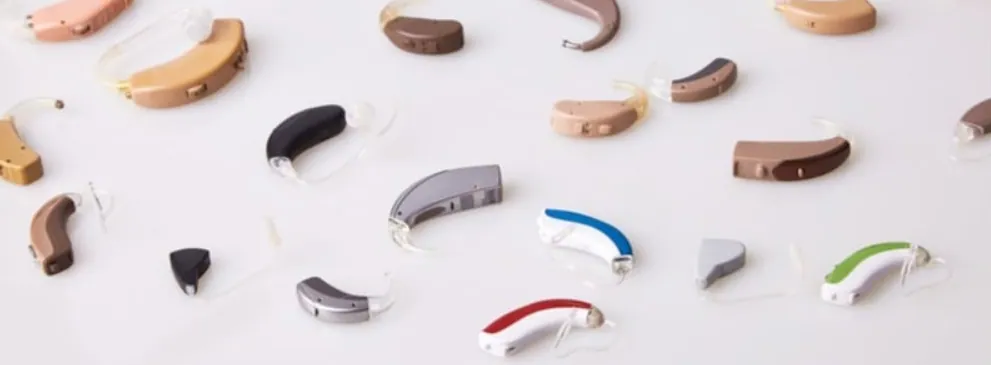
Supplier discovery is the first step. Use entity checks, model documentation, samples and an agreed inspection plan before approving a factory.
Here are a few efficient ways to locate reliable Chinese hearing aid suppliers and manufacturers.
Google Search
You can employ Google search to identify hearing manufacturers in China.
You should use key phrases such as “hearing aid manufacturer in China” to help you find companies, their product details, and customer reviews extensively.
Trade Shows
You should think about visiting hearing aid suppliers and manufacturers in China.
You don’t need to visit their factories; you can accomplish this by attending different expos and exhibitions in various locations across the country.
Yellow Pages
To find out more about Chinese hearing aid firms, you should check out online directories and business guides.
Go through their contacts, product descriptions, and profiles to find out more about these businesses.
Sourcing Agent
When it comes to product sourcing, it makes sense to work with an agency or sourcing expert who has extensive experience in the Chinese market, particularly when trying to identify a trustworthy producer of hearing aids.
You may now source suppliers more efficiently thanks to companies like Huntersourcing.
Shenzhen Huaqiangbei Electronics Market
Huaqiangbei Electronics Market, located in Shenzhen, is a hub for electronic parts and accessories worldwide.
An electronics market is a trading location, not evidence that a seller manufactures a medical device. Establish the legal manufacturer, model and applicable market documentation before ordering.
Guangzhou Guangdong Electronics Market
Another significant location where you can purchase electronic items in China is the Electronics Market in Guangdong.
Hearing aids are only one of the many goods offered in this sector.
6. Where to Buy Hearing Aids from China

Locating excellent hearing aids doesn’t have to be a challenging undertaking.
Reputable websites offer a variety of choices for comparing the top hearing aid manufacturers and suppliers of hearing aids.
Here are a few excellent options where you can find hearing aid suppliers.
6.1 Alibaba.com
Alibaba.com presents a distinctive prospect for global purchasers to participate in the worldwide exchange of hearing aids with several producers, suppliers, and wholesalers.
It is simpler to recognize all of the opportunities in the globe thanks to this enormous marketplace.
6.2 Made-in-China
Made-in-China is one of the biggest B2B networks that offer smooth connections to global manufacturers of hearing aids.
It has a section devoted to hearing aids, where some of China’s hearing aid manufacturing companies are shown.
6.3 DHgate.com
One of the largest e-commerce sites in China, DHgate.com helps Chinese suppliers expand their worldwide market reach and network of business partners.
With a large selection of both domestic and foreign brands, this platform allows you to purchase high-quality hearing aids at competitive costs from reputable businesses.
6.4 GlobalSources.com
When it comes to internet sourcing from China, Japan, and other Asian nations, GlobalSources.com is the industry leader.
A variety of premium hearing aids from any major hearing aid manufacturers are available in the website’s product catalog.
6.5 AliExpress.com
Different hearing aids from numerous providers are sold on Aliexpress.com, an international shopping site owned by Alibaba Group.
This may be your best option if you enjoy shopping at discount stores that provide readily customizable shipping and payment options.
6.6 Chinabrands.com
For a variety of products, including hearing aids, this wholesale marketplace allows you to purchase in bulk or utilize the dropshipping business model.
7. Certifications and Quality Standards
Determine the destination and device classification first. Request the applicable regulatory pathway, model-specific evidence and quality-system documents. FDA registration, device listing, clearance and approval describe different things; do not require or advertise them interchangeably.
Certifications to Verify Before You Order
| Evidence | What it can support | What to verify |
|---|---|---|
| ISO 13485 | Quality-management system requirements for medical-device organisations. | Company, production site, scope, issuer and validity. |
| CE / EU MDR evidence | Applicable EU device requirements where the product falls in scope. | Classification, manufacturer/importer roles, declaration and notified-body evidence where required. |
| FDA registration / listing | US establishment registration and device listing, where applicable. | Whether clearance, authorization or a listing applies; registration alone is not approval. |
| Bluetooth SIG / RoHS / reports | Qualification or test evidence for a defined model or component. | Model identifier, certificate holder, report method, date and batch link. |
• Compliance with specific National Regulations of the importing country.
8. Import Duties and Tariffs
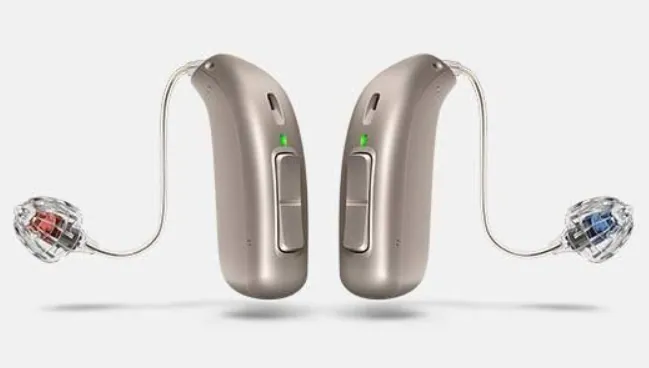
Hearing aids, produced in China, may be levied with tariffs enforced by the importing country’s customs service.
The rates at which the customs duties are applied range from one country to another based on the issues pertaining to the form of tariffs as well as the trade policies of the importing country as well as any agreements between the concerned parties.
Here are some key points to consider regarding tariff rates for importing hearing aids from China.
i. Harmonized System (HS) Code
Hearing aids are categorized under certain Harmonized System (HS) codes, which are used to determine the relevant tariff rates.
ii. Tariff Rates by Country
Tariff rates for hearing aids can differ between one country and another. Importers must check various publications by the importing country’s customs regulations and tariff schedules to determine what the appropriate tariff rates are for each specific product.
iii. Trade Agreements and Tariff Exemptions
Certain economies might have trade agreements or preferential tariff schemes that give a way in for a particular product category without paying high tariff rates (e.g. hearing aids).
9. Ten Hearing Aid Supplier Candidates to Verify
This is an unranked discovery list, not an audited supplier endorsement. Names retained from the earlier directory require entity and model checks. A public website does not establish current capacity, certificate validity or fitness for your order.
9.1. Xiamen AZ Hearing Technology Co., Ltd.
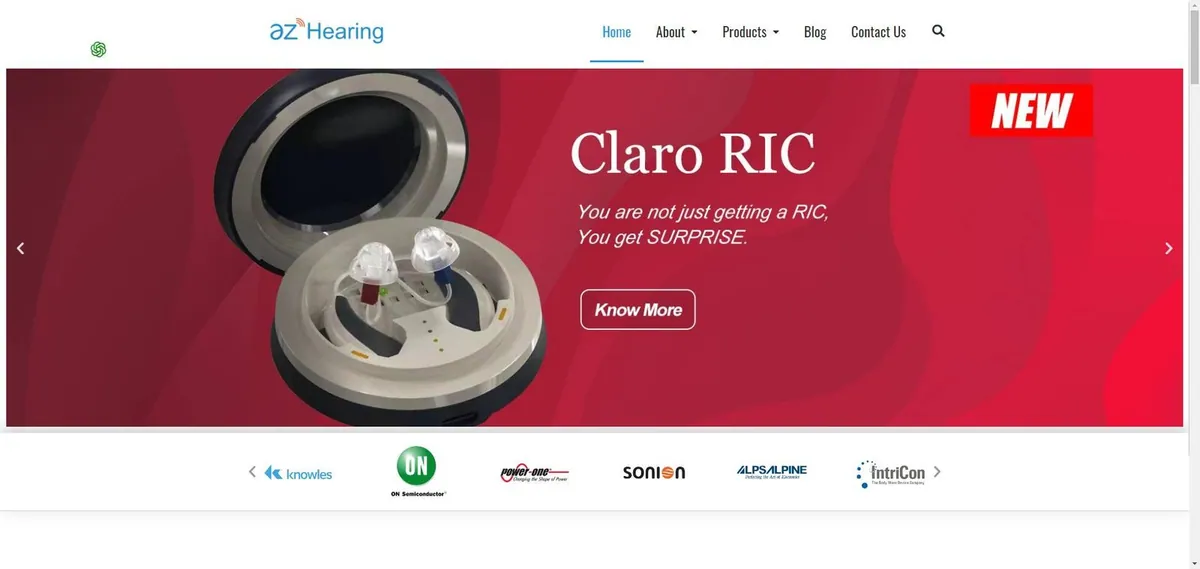
AZ Hearing: its public website lists hearing-aid formats and OEM/ODM services. Request the legal entity, exact model, sample and current evidence.
9.2. Great Earsmate Technology Group Ltd
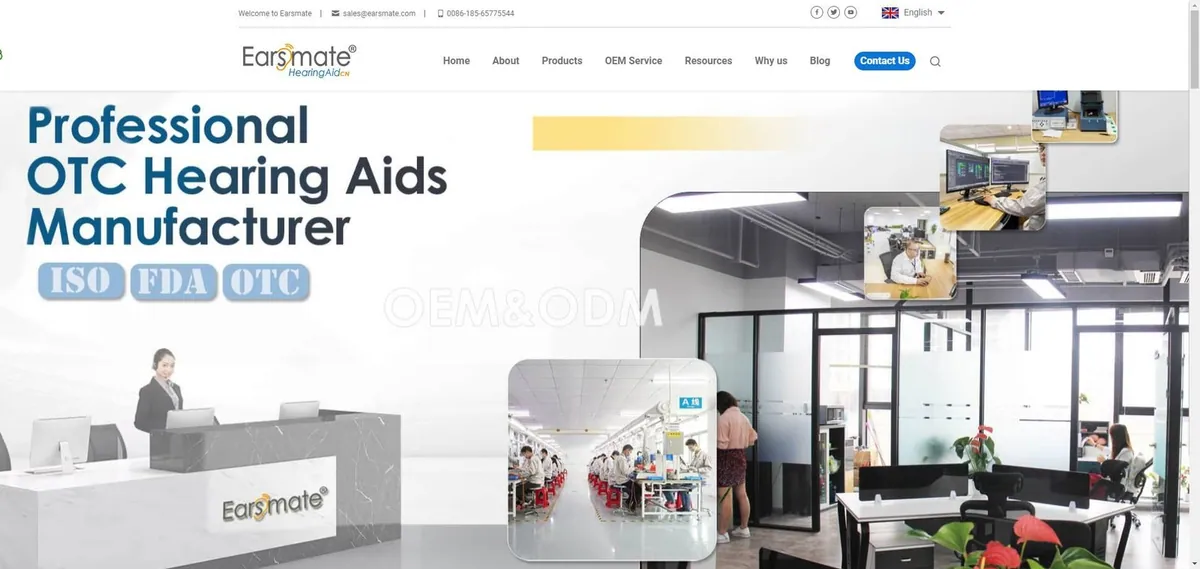
Candidate retained from the earlier directory; current factory identity, model range, commercial terms and market evidence remain to be independently verified. Request documents and an approved sample before shortlisting.
9.3. Austar Hearing Science and Technology (Xiamen) Co., Ltd
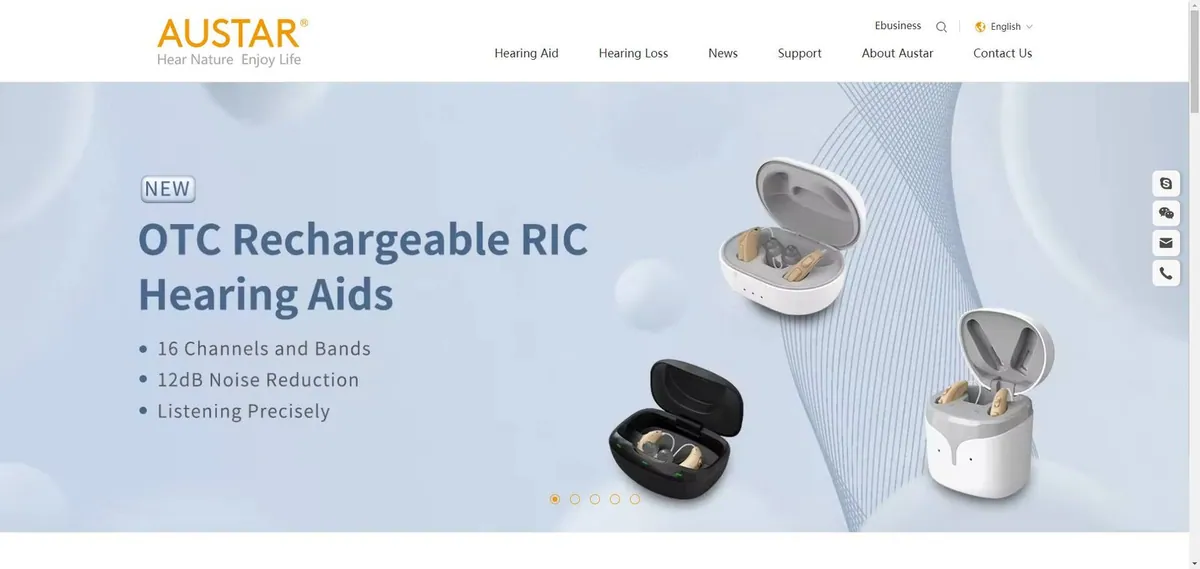
Austar: its company page describes a Xiamen OEM/ODM business. Treat scale and compliance statements as supplier claims until checked against documents.
9.4. Lisound Hearing Aid (Fuzhou) Co. Ltd.
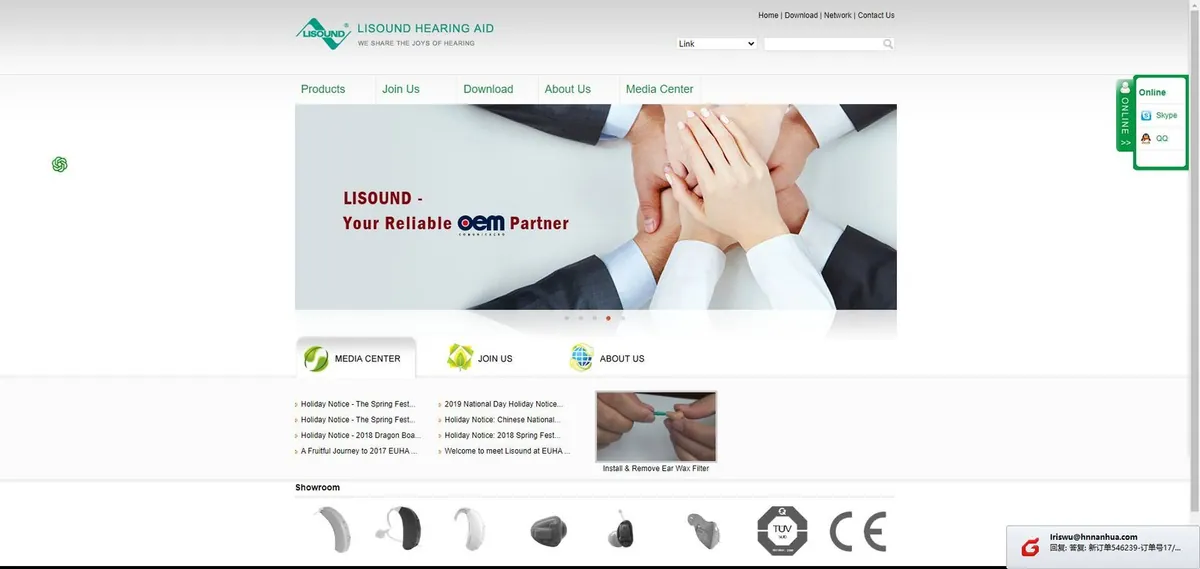
Candidate retained from the earlier directory; current factory identity, model range, commercial terms and market evidence remain to be independently verified. Request documents and an approved sample before shortlisting.
9.5. Guangzhou Melison Medical Instrument Co., Ltd.
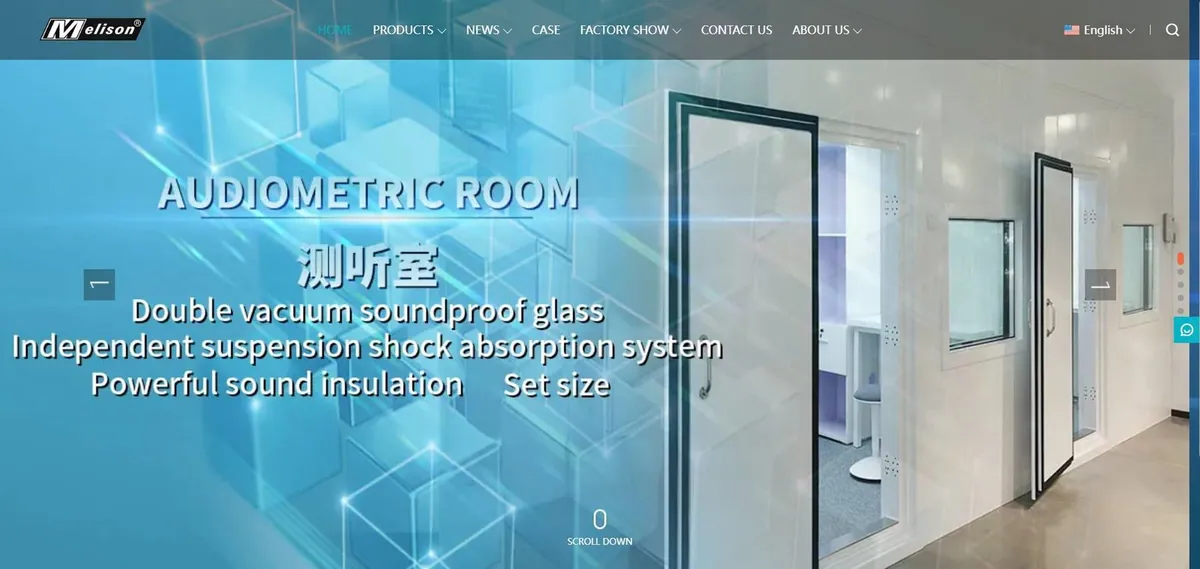
Candidate retained from the earlier directory; current factory identity, model range, commercial terms and market evidence remain to be independently verified. Request documents and an approved sample before shortlisting.
9.6. Hangzhou Health Shining Co.,Ltd
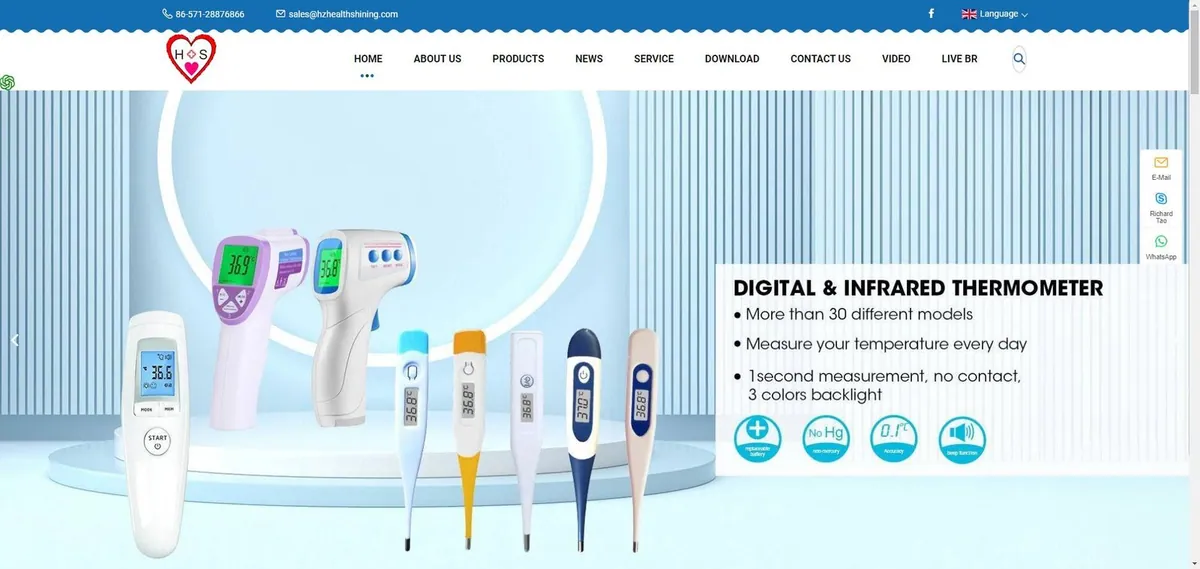
Candidate retained from the earlier directory; current factory identity, model range, commercial terms and market evidence remain to be independently verified. Request documents and an approved sample before shortlisting.
9.7. Ningbo Pinmed Instruments Co., Ltd.
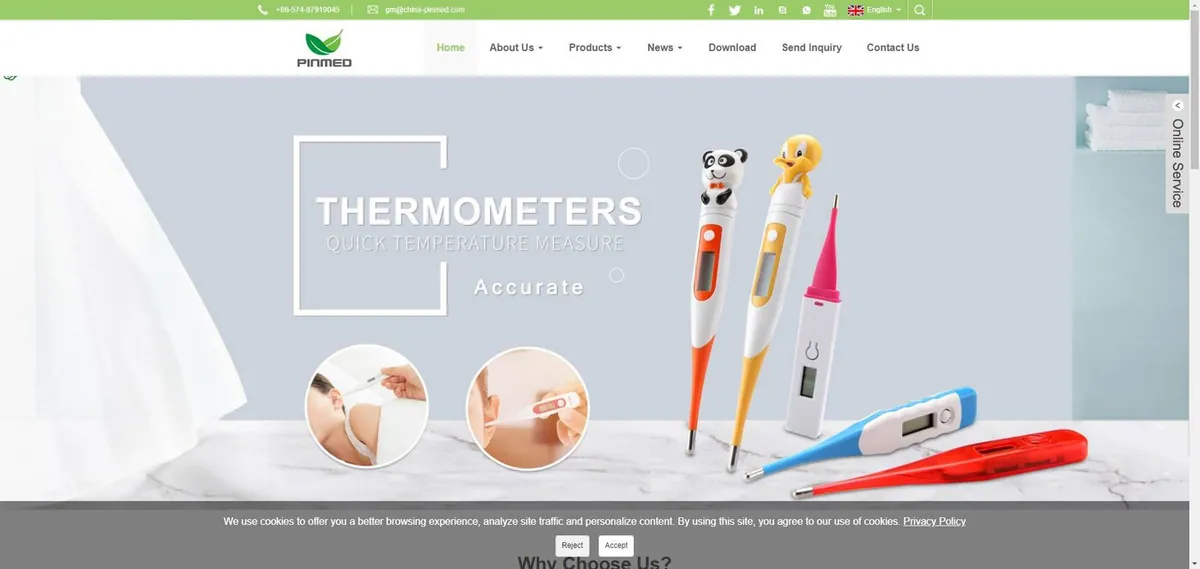
Candidate retained from the earlier directory; current factory identity, model range, commercial terms and market evidence remain to be independently verified. Request documents and an approved sample before shortlisting.
9.8. Huizhou Jinghao Medical Technology CO., LTD.
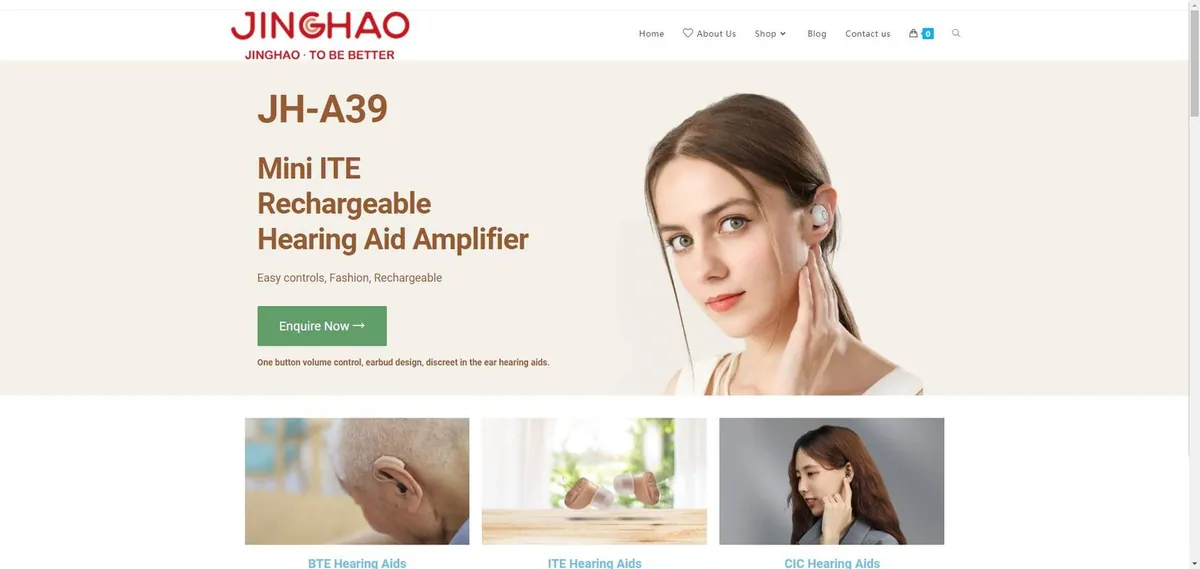
Jinghao: its public catalogue lists several product formats. Compare the specific model, accessories, firmware and market pathway rather than relying on general badges.
9.9. Zhongshan Great-Ears Electronic Technology Co., Ltd.
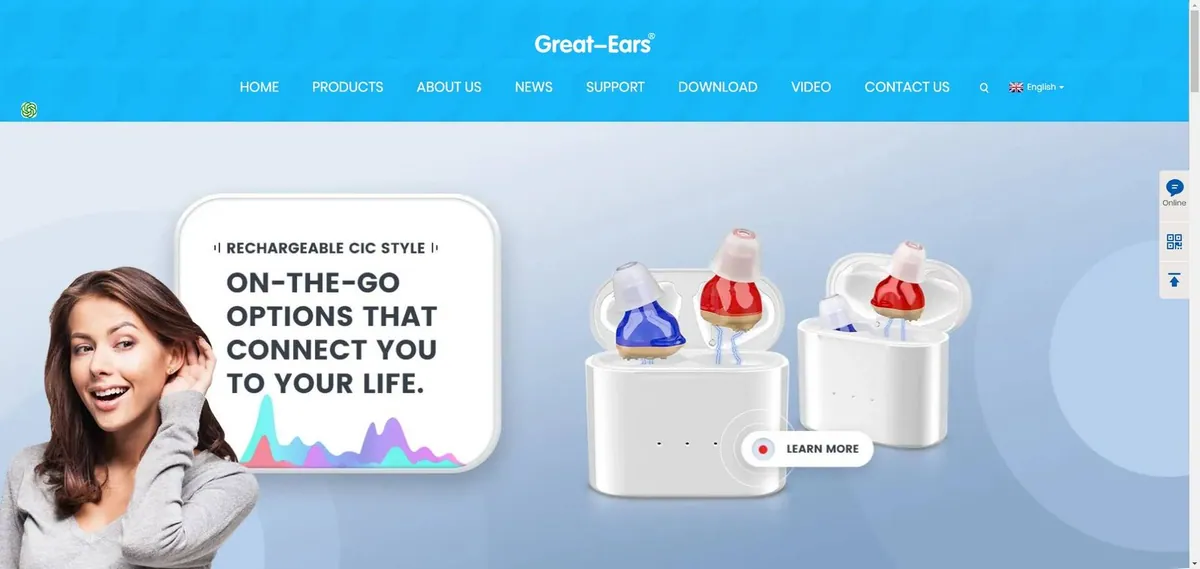
Candidate retained from the earlier directory; current factory identity, model range, commercial terms and market evidence remain to be independently verified. Request documents and an approved sample before shortlisting.
9.10. Sino Hearing Technology Co.Ltd
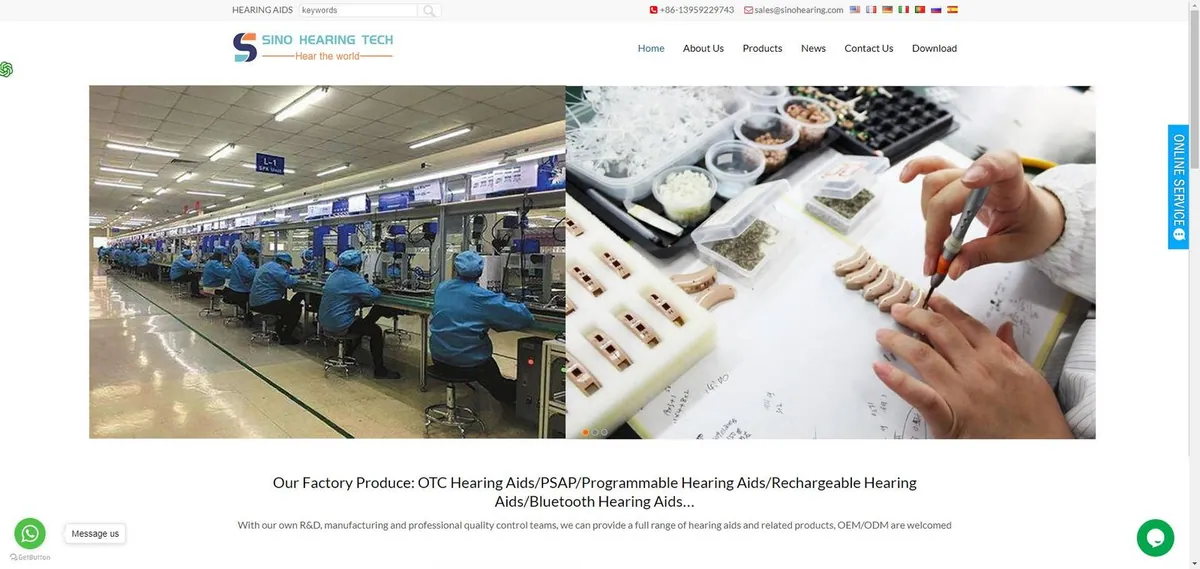
Sino Hearing: its public website lists hearing devices and OEM/ODM work. Verify that the quotation, production site and regulatory evidence refer to the same product.
Evidence and factory checks before ordering
Separate the legal supplier, manufacturing site and product evidence before comparing quotations.
Factory verification checklist
Verify the entity and production site
Match the business licence, contract party, bank beneficiary, certificate holder and production address. Ask whether any process or subassembly is outsourced.
Documents to keep with the approved sample
Retain the model and firmware version, accessory list, battery information, fitting instructions, approved packaging artwork and applicable test or registration evidence. Record which market and intended use the documents cover.
Approve performance on the physical unit
Test fit, sound output, feedback, battery runtime, charging, Bluetooth pairing and packaging under an agreed procedure. A data sheet or certificate does not replace testing the actual sample and production units.
Plan the inspection and release
Agree lot size, sampling method, defect classes and critical rejection rules. Check serial or batch identity, accessories, charging, pairing, labels, manuals, carton condition and any firmware version. Keep photographs and the inspection report for release decisions and claims.
Market-specific documentation
Confirm the destination requirements with the importer and a qualified regulatory specialist. FDA establishment registration or device listing is not FDA approval; CE marking applies only where the product and legislation require it.
References: FDA hearing-aid guidance; Bluetooth qualification. Verify current requirements for the exact model and market.
10. Hearing Aid Manufacturer FAQs
What is the difference between an OTC and a prescription hearing aid?
In the United States, OTC hearing aids are intended for adults aged 18 or older with perceived mild to moderate hearing loss. Prescription devices are provided through licensed professionals; their suitability depends on the person and device. Requirements vary by country. A hearing healthcare professional can assess individual needs.
Are hearing aids and personal sound amplifiers the same product?
No. In the United States, hearing aids are medical devices intended to compensate for hearing loss; personal sound amplification products are not intended for that purpose. Ask the supplier for the intended use and the product classification for each destination, and do not market a general amplifier as a hearing aid without the required basis.
Does FDA registration mean a hearing aid is FDA approved?
No. Establishment registration and device listing alone do not mean a device is approved, cleared or authorized. Identify the actual manufacturer, model and product classification, then check the applicable registration, listing and any required premarket authorization in FDA databases. Requirements depend on the specific device.
How can a buyer verify a hearing aid manufacturer in China?
Confirm the legal manufacturer and contracting entity, production site, device model, applicable quality-management documentation and authorization for the destination market. Request current, model-specific records and agree on the scope of any independent factory audit. An online listing or certificate image alone does not establish compliance.
What is the minimum order quantity for private-label hearing aids?
There is no universal minimum. Ask for separate quantities and pricing for stock models, logo, shell colour, packaging and any app or firmware work. Confirm whether the minimum is per model, colour or configuration and whether a paid trial order is available.
Can I test samples before placing a wholesale order?
Ask for an identified sample in the exact configuration, with the intended accessories, charger, instructions and packaging. Agree the sample fee, delivery, tests and acceptance criteria before ordering. Evaluate fit and usability with appropriate professional support; an informal test does not replace required product verification.
Why do hearing aids whistle, and what should buyers ask manufacturers to test?
Whistling can be related to feedback and fit, among other causes. Ask how the device handles feedback and what fit options are provided, then agree on documented tests for the actual model. Persistent discomfort, sudden changes in hearing or other concerning symptoms should be assessed by a qualified clinician.
How should I compare rechargeable battery life and after-sales service?
Request runtime and charging time for the actual device, along with the test conditions, battery replacement or service options and spare-parts availability. Streaming, settings and battery age can affect real-world runtime. Agree warranty duration, exclusions, return authorization, repair location and freight costs in writing.
Do Bluetooth hearing aids work with every phone and app?
Do not assume compatibility. Request the supported phone models, operating-system versions and connection functions, including whether each function covers calls, audio streaming or app controls. Test the intended devices and ask who maintains the app, handles updates and supports users after purchase.
What should be included in a hearing-aid inspection and shipment plan?
Agree on the lot, sampling method, model identity, output and functional checks, fit accessories, charging, pairing, labels, instructions and packaging. Sampling cannot guarantee zero defects. Confirm battery transport documentation and destination requirements with the responsible importer and carrier, and define who authorizes release or reinspection.
Regulatory references: FDA: OTC hearing aids; FDA: hearing aids and amplifiers; FDA: registration and approval. Rules vary by market; confirm current requirements for the specific product.
Hearing Aid Sourcing at a Glance
| Item | Supplier response | Decision / evidence |
|---|---|---|
| MOQ | Stock model, custom housing, private-label packaging and app changes stated separately. | Dated quotation; confirm whether the trial quantity is possible. |
| Sample | Sample type, charge, courier cost and dispatch date. | Physical approval of fit, sound, battery, charging and pairing. |
| Production | Schedule trigger after deposit, sample sign-off or artwork approval. | Written completion date and peak-season contingency. |
| Price | Currency, unit, configuration, FOB port, quantity and validity. | Itemised offer with packaging, inspection and documentation costs. |
| Payment | Deposit, balance trigger and accepted payment route. | Contract terms and inspection-release conditions. |
| Shipping | Air/sea route, origin, destination and Incoterms. | Transit and destination charges quoted separately. |
11. Why Choose HunterSourcing as Your Hearing Aid Sourcing Agent
Choose Huntersourcing as your loyal sourcing agent when you look for a hearing aid manufacturer and here are several compelling reasons:
11.1. Rich Sourcing Experience
With years of expertise, Huntersourcing knows how to source almost any product from famous Chinese suppliers.
11.2. Custom Design
At Huntersourcing, we go all out to offer a shopping experience that is tailored exactly to your needs and tastes.
Huntersourcing offers bespoke design capabilities that enable a hearing aid manufacturer to create hearing aids in line with your preferences.
11.3. Factory Audit
Factory auditing undertaken by Huntersourcing is to identify manufacturers’ production capacities, quality control, and adherence to industry norms and regulations so as to arrive at the best product quality while maintaining reliability to ensure supplier fidelity.
11.4. Price Negotiation
Our expert negotiators will use their good negotiation qualities to be in a position to get the best terms and prices for you since they have a lot of market knowledge.
11.5. Quality Control
Our quality control has the standard for pre-shipment testing, factory inspections, and cherry-picking suppliers.
11.6. Warehousing
We do supply chain management seamlessly and offer warehousing services ensuring smooth supplies of hearing aids on time.
11.7. Logistics
We handle the whole logistics process—shipping, delivering, and transportation—to make sure your hearing aid manufacturers get your items to you on time and in order.
11.8. Customs Clearance
Confirm classification, importer responsibilities and required paperwork with your customs broker before shipment. Clearance time depends on the destination and the consignment.
Who We Are: A China Sourcing Agent, Not a Factory
HunterSourcing is a China sourcing agent. Discuss supplier shortlisting, RFQs, sample coordination, document requests and inspection scope with our team before agreeing the service. The selected manufacturer remains responsible for its product and regulatory evidence. Learn about our China sourcing agent service.
Three Buyer Scenarios
1. OTC hearing aid brand
Illustrative planning example: a US OTC brand should confirm the intended adult audience, model classification and labeling before ordering. Compare a stock product against private-label changes; approve packaging and the sample before fixing the launch quantity.
2. Clinic or hearing centre
Illustrative planning example: a clinic or hearing centre can compare a mixed sample under one fitting protocol. Record the fitting software, receiver options, staff training and servicing responsibilities before deciding on the product range.
3. Regional distributor
Illustrative planning example: a regional distributor can compare a multi-model trial before committing to stock. Prioritise serial traceability, accessory compatibility, spare-part supply and the written process for warranty claims.
Factory Audit and QC Process
| Stage | What We Check | Output |
|---|---|---|
| Factory audit | ISO 13485 scope, production lines, test equipment and calibration | Audit report |
| Sample approval | Fit, sound quality, battery, pairing and packaging | Golden sample |
| Incoming components | Speaker, microphone, chipset and battery | Component checklist |
| In-process QC | Assembly, soldering and firmware loading | Daily QC log |
| Pre-shipment inspection (proposed) | Agreed sampling and defect limits; function, battery, pairing and packaging | Inspection report and photos |
| Before balance payment | Report review, carton check and shipping marks | Release approval |
Typical Project Profiles
These are hypothetical buying scenarios for planning, not verified customer cases or order results.
Profile A: European OTC brand
Illustrative scenario: a European brand testing a rechargeable RIC model with Bluetooth might plan a small trial order. Confirm the applicable EU pathway, app ownership, firmware updates, sample acceptance and battery performance with the selected manufacturer before setting quantities or dates.
Profile B: US clinic supplier
Illustrative scenario: a clinic supplier could compare BTE and custom ITE samples under one fitting protocol. Document the supplier entity, required US pathway, serial traceability, spare-part availability and inspection criteria before committing to a batch.
Hearing Aid Sourcing Checklist
Use this checklist before approving a sample or paying a deposit.
- Target market and certification: CE (EU MDR), FDA (US) or NMPA (China)
- ISO 13485 scope and expiry date
- Product type: BTE, RIC, ITE, CIC, OTC or custom
- Chipset, channels and noise reduction
- Battery type and runtime
- MOQ, sample time and production lead time
- Agreed sampling, defect classes and inspection scope
- Logo, packaging and private label
- Payment terms and Incoterms
- Warranty, spare parts and after-sales
Download the Hearing Aid RFQ Checklist (CSV)
Published supplier terms: a dated comparison example
The following are Jiajianle’s published terms, checked on 23 October 2026. They are supplier statements for discussion, not HunterSourcing promises or a market average. Request a current model-specific quotation and distinguish dispatch, production and transit. Supplier FAQ source.
| Item | Published figure | Buyer verification |
|---|---|---|
| Stock dispatch | 1–3 days after payment | Confirm actual stock and whether this is dispatch rather than arrival. |
| Custom production | 10–25 days | Confirm model, customization and the production-start trigger. |
| Small-order delivery | 7–15 days | Confirm courier, destination and exclusions for customs. |
| Quality assurance | 1 year | Agree defects covered, repair procedure and return freight. |
| Export spare parts | 0.3% of order | Ask how the percentage becomes a whole-unit allocation. |
| OEM design and samples | Renderings within 8 hours; samples within 72 hours | Ask which stock platform and customization scope these claims cover. |
After-Sales and Warranty
Agree warranty duration, exclusions, repair or replacement procedure, spare-part availability, firmware support and return freight in the supply contract. No universal warranty or spare-parts allowance is assumed.
Request a Sample or Catalog
Tell us your target market, product type and estimated order quantity. We will shortlist three factories, compare quotes and send a sample plan.
Email: info@huntersourcing.com | WhatsApp/WeChat: +86 158 2435 0182 | We reply within 24 business hours.
Conclusion
Purchasing hearing aids from China offers various advantages, including access to a wide range of devices, low prices, and experienced manufacturing.
Working with a reliable sourcing agency, such as Huntersourcing, may help businesses eliminate procurement problems, assure product quality, and cut costs.
If you’re seeking hearing aids and want to source from China quickly, contact Huntersourcing right away.
We are here to assist you overcome the challenges of worldwide manufacturing, establish tempting contracts, and ensure the high quality and dependability of your hearing aid.
Email: info@huntersourcing.com · WhatsApp / WeChat: +86 15824350182. Chat on WhatsApp. Our contact page states a reply within 24 hours; confirm timing for your request. Inquiry details are used to assess and follow up on your project; see our privacy policy.
Related Articles
These guides cover electronics manufacturing, component sourcing and audio components in the same Consumer Electronics category.
 Top Electronic Components Distributors: Types, Roles & Selection Guide
Compare component distributor roles, traceability questions and selection criteria.
 Top Electronics Manufacturers in China: OEM & B2B Solutions
Review electronics factory capabilities, product specification and OEM due diligence for B2B sourcing.
 Elevate Your Profit: Premier Speaker Manufacturers in China
Review speaker construction, audio testing and factory selection for product sourcing.
About the Author
Prepared by the HunterSourcing sourcing team. This is a procurement guide; device selection and market eligibility require the appropriate hearing-care and regulatory expertise. Learn about our team and our product sourcing process.
Related Post

Furniture is a must for an office or a home. It is available at varying price points as Read more

Wood is extensively used in making furniture around the world. Wood can be molded in any shape or Read more

China offers many types of sofas at an affordable price. When it comes to Chinese Sofa Manufacturer, This Read more
Get Free Quote

Contact Us Get Free Quote!
* Please kindly fill out the form for inquiry
* we will reply to your inquiry within 24hours