
Updated for 2026 · HunterSourcing sourcing guide · Company and team profile
Source finished consumer electronics and accessories from China for your brand, distribution business or import operation. Start with the exact device, destination and quantity; HunterSourcing coordinates the agreed supplier research, quotation checks, samples, production follow-up and inspection or shipping work as your sourcing agent.
Send a product link or drawing, quantity per model, delivery country and target date. We use this brief to clarify stock, private-label or OEM/ODM options and propose the work scope, charges and next approval step.
Your buying file: agree the supplier shortlist, model/specification sheet, comparable quotation, sample approval record and inspection/shipping scope. Each output should identify its owner, evidence and the decision you need to approve.
1. Choose your consumer electronics category
Choose the device family first, then define its configuration and intended market. The category visuals illustrate the product family; your RFQ identifies the exact model, specification and agreed branding.
1.1 Car & vehicle electronics
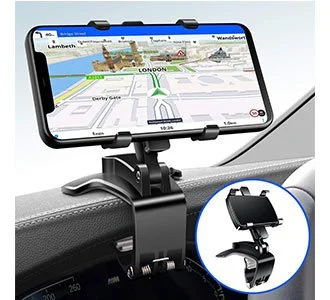
Car displays, cameras and audio accessories.
Specifications to confirm
Specify vehicle compatibility, connectors, supply voltage, dimensions, firmware and installation instructions. Agree the exact compatible vehicle or interface list.
1.2 Cell phones & accessories
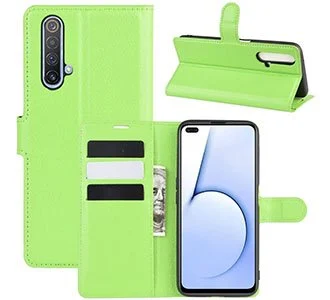
Chargers, cables, cases and phone accessories.
Specifications to confirm
Identify plug type, port count, power-sharing behaviour, cable rating and supported charging protocols. Confirm any brand-specific supply rights separately.
1.3 Computers & accessories
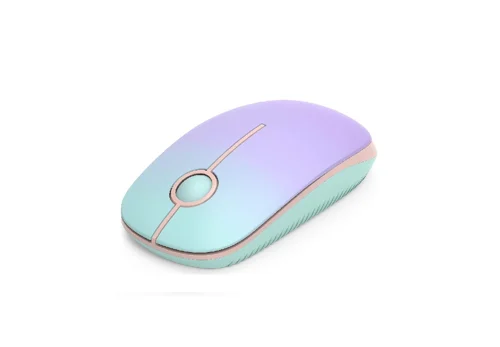
Keyboards, mice, hubs and docking accessories.
Specifications to confirm
Define keyboard layout, operating-system support, connector bandwidth, chipset, ports and included cables. Check the functions your customer actually uses.
1.4 GPS, finders & trackers
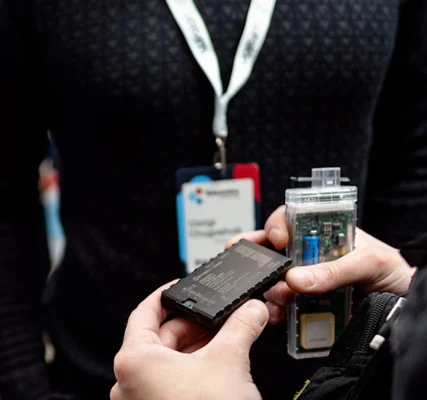
Photo: UrusHyby / Wikimedia Commons, CC0.

Location and tracking devices.
Specifications to confirm
Define radio bands, location technology, SIM or app requirements, subscription costs, region support and update ownership before comparing devices.
1.5 Headphones & audio
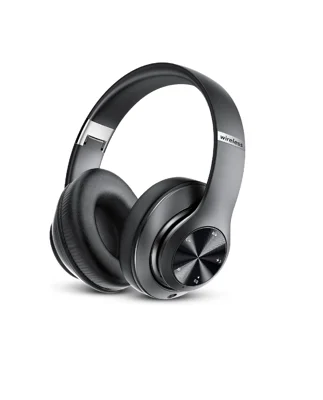
Wired headsets, earbuds and portable audio.
Specifications to confirm
Record driver configuration, connection method, microphone requirements, codec, controls and battery test conditions. Keep left/right pairing and charging checks in the sample plan.
1.6 Printers & printing accessories
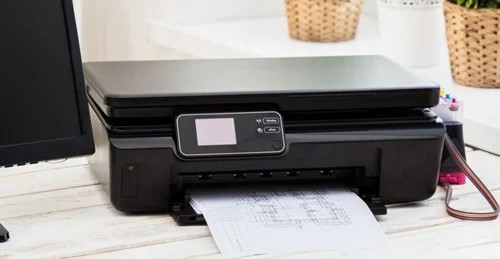
Label, thermal and other printers.
Specifications to confirm
State print width, resolution, interface, driver and application compatibility, media size and consumable availability. Confirm whether software licences and power adapters are included.
1.7 Security & surveillance
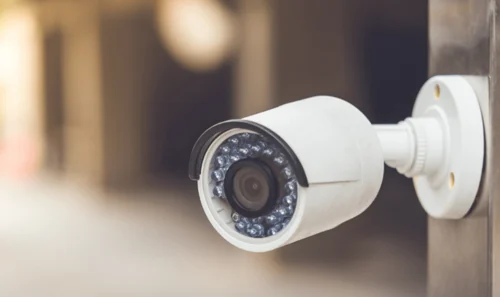
Cameras, recorders and monitoring accessories.
Specifications to confirm
Define image settings, storage, network/app compatibility, update support and intended use. Verify security, privacy and destination requirements for the actual model.
1.8 Television & video

Photo: Curtis Adams / Pexels.
Displays, media and video accessories.
Specifications to confirm
Specify resolution, supported inputs, regional tuner or streaming requirements, audio outputs and power configuration. Check packaging protection for screens and fragile housings.
1.9 Wearable technology
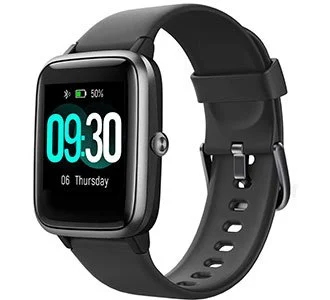
Watches, fitness devices and wearable accessories.
Specifications to confirm
Define screen, phone/app support, battery and charging method, strap material and claimed functions. Agree evidence for performance or water-resistance claims; medical uses need a separate suitability review.
For a component-only bill of materials, see our electronic components distributor guide. This page focuses on finished consumer devices and accessories; the exact project brief determines the sourcing route.
2. Compare stock, private-label and OEM/ODM routes
The right route depends on what changes. A lower stock quantity does not imply the same MOQ for custom hardware or printed packaging. Compare like-for-like routes before negotiating unit price.
Swipe or scroll sideways to view every column.
| Buying route | What you are buying | MOQ and cost questions | Approval before a bulk order |
|---|---|---|---|
| Existing stock | An existing SKU with limited changes | Ask for current stock by model, colour and batch; order unit and sample cost | Exact stock version, genuine supply chain where branded, packaging and replenishment |
| Private label | Existing hardware with your logo, packaging or manual | Separate hardware MOQ from logo, box and artwork MOQ | Approved artwork, final label, accessory list and packed sample |
| OEM/ODM | Changes to hardware, enclosure, firmware or connectivity | Separate development, tooling, testing and mass-production quantities | Ownership/access, revision control, engineering acceptance and test scope |
A factory may handle assembly while subcontracting tooling, PCB assembly or testing. Ask which legal entity receives payment, which site makes the goods, which work is subcontracted and who controls the finished model. Our sourcing team can coordinate the agreed information and checks, with responsibilities set out in the work scope.
2.1 Agree the sourcing work before paid work begins
Use the following scope table to agree responsibilities. It describes work to commission for your project; the approved proposal identifies which deliverables, fees and supplier or third-party services are included. Extra work or a changed product brief should be priced and approved before it proceeds.
Swipe or scroll sideways to view every column.
| Stage | Buyer-facing deliverable | Cost boundary to clarify | Buyer approval |
|---|---|---|---|
| Supplier comparison | Candidate identities, locations, production scope and open questions | Research or factory-assessment scope; external visits quoted separately if needed | Confirm the shortlist and any paid verification work |
| Quotation normalization | Same-model specification and itemized commercial comparison | Factory goods, packaging, development and agency work identified separately | Approve configuration, quantity and named delivery term |
| Samples and development | Sample request, revision/feedback record and artwork approval | Samples, courier, tooling, firmware or repeat development work as quoted | Approve the sample/version before the next agreed production step |
| Order and quality follow-up | Milestone record, agreed inspection findings and corrective-action follow-up | Inspection/lab scope, repeat inspection and any extra work as agreed | Approve changes and the agreed shipment-release evidence |
| Shipment coordination | Packed cargo information, shipping quotation and document checklist | Freight, insurance, brokerage, taxes and destination handling explicitly scoped | Confirm shipment details and the responsibilities under the named delivery term |
Meet the project team: our company profile introduces Wen Dao, Founder & CEO; Jack Feng, QC Manager; and Mary Wang, Logistics Manager. Your agreed project scope identifies the assigned contact, approval responsibilities and any specialist technical review required.
3. Compare quotations, MOQ and landed cost
Get a quotation tied to a complete model and named delivery term. The following supplier-published offers show why a single “electronics price range” is misleading: a charger, earbud set and large speaker have different configurations, units and order conditions.
Read the references by model: the charger’s published standard price tier starts at 1,000 pieces, while its OEM minimum is 2,000. The earbud offer uses “pieces”, so confirm a complete set as the sale unit. The speaker’s minimum is 500 pieces. Treat each timeline and price as tied to that model and its published condition.
Swipe or scroll sideways to view every column.
| Supplier-published model | Specification reference | Published price tier (USD) | MOQ condition | Published timing and condition | Source |
|---|---|---|---|---|---|
| 65W GaN charger, ZD652C1A | 2 USB-C + 1 USB-A; supplier lists 100–240V input and 65W maximum single USB-C output | US$9.95/piece at 1,000–4,999 pieces; US$9.65 at 5,000–9,999; US$9.45 at 10,000+ | OEM MOQ: 2,000 pieces; lower price-tier floor is a different condition | Supplier table: 15–20 working days production; sample/trial text: 7 days. Start event unspecified. | ZhaoDa / UminSin product offer |
| T-100 TWS earbuds | Bluetooth 5.3; Type-C; supplier lists 25mAh per earbud and 200mAh case | Reference FOB US$2.10/piece at 1,000–2,999; US$2.05 at 3,000–4,999; US$1.98 at 5,000+ | Published minimum: 1,000 pieces. Confirm whether invoiced unit is a complete earbud-and-case set. | Supplier FAQ: 2–3 days samples; 25 working days for more than 1,000 pieces. Confirm schedule for exactly 1,000. | Roman T-100 specifications; linked price view |
| B&F C8 Bluetooth speaker | 80W; supplier lists 350 × 195 × 195mm, 5.3kg net weight and 7.4V/6,000mAh battery | Reference FOB US$56.50/piece at 500–999; US$55.50 at 1,000–1,999; US$54 at 2,000+; sample listed at US$85 | Published minimum: 500 pieces; confirm selected battery and packed configuration | Supplier publishes an average of within 15 workdays, without a quantity band or confirmed production start. Obtain an order-specific date. | Bofan C8 specifications; linked price view |
Reference basis: checked in November 2026. These are the named suppliers’ published offer and specification materials, rather than HunterSourcing quotations. Confirm configuration, order unit, inclusions, validity, port and production start in writing. The charger listing names Yantian but does not establish a FOB price; the other price views say reference FOB without a named port. Confirm the precise delivery term before comparing freight.
Swipe or scroll sideways to view every column.
| Quotation line | What to put in the RFQ | What to compare |
|---|---|---|
| Product and accessories | Exact model/revision, plug, ports, battery, cable and charger inclusions | Currency, quantity tier, sale unit and price validity |
| Customization and development | Logo method, colour, tooling, firmware/app changes and artwork | One-time vs recurring charges; ownership and change fees |
| Samples and testing | Sample version, sample delivery, test scope and laboratory | Which charges are refundable/creditable, if agreed |
| Compliance and labelling | Model-matched technical documents, importer details and market labels | What is included, who supplies it and what remains to arrange |
| Packaging and inspection | Retail box, inserts, protective packing, carton dimensions and inspection scope | Per-unit vs per-order fees and reinspection responsibility |
| Freight and import costs | Named Incoterm/place, shipment method, battery status and customs scope | Origin/destination charges, insurance, taxes, brokerage and unloading |
| Sourcing service | Agreed supplier research, sample follow-up, production coordination or inspection work | Separate agency fee, included deliverables and approval before paid work |
Comparison arithmetic: 1,000 pieces × the charger’s published US$9.95 tier = US$9,950 product value. Add the confirmed sample, customization, testing, inspection, service, freight and destination charges to compare total landed cost. A smaller unit price can cost more overall if the specification or included work differs.
Use the blank Electronics RFQ & Quote Comparison Checklist (CSV) to request the same fields from each candidate. Leave unknown charges open for confirmation rather than assuming they are included.
3.1 Normalize two quotations for the same product
Illustrative calculation using assumed inputs: the figures below show how to compare two quotation structures. Assume the same approved bill of materials, firmware, test scope and packed product; agree the same Incoterm and named place before adding freight. These are calculation examples for the comparison process.
Swipe or scroll sideways to view every column.
| Comparison line | Illustrative quotation A | Illustrative quotation B |
|---|---|---|
| Product and quantity | Same approved 65W charger, US plug, 2 USB-C + 1 USB-A; 1,000 units | Same approved model, plug, ports and quantity |
| Assumed product unit price | US$10.00 | US$9.70 |
| Product value | US$10,000 | US$9,700 |
| Identical retail packaging | Included in the assumed unit price | US$300 separately |
| Identical agreed test scope | US$400 assumed | US$400 assumed |
| Identical pre-shipment inspection | US$250 assumed | US$250 assumed |
| Comparable subtotal | US$10,650 | US$10,650 |
| Still to quote separately | Agency work, freight, taxes and any other excluded charges | Same exclusions; obtain the complete quotation |
A lower quoted unit price can leave the same comparable subtotal when equivalent packaging is charged separately. Ask suppliers to fill the same RFQ worksheet and identify every inclusion or exclusion. Confirm the actual bill of materials, version, charge basis and total before approving an order.
4. Check the supplier and destination documents
Check the exact model and its evidence before releasing a bulk order. A system certificate, product test report and declaration serve different purposes; keep them as separate items in the supplier file.
Swipe or scroll sideways to view every column.
| Check | Documents or details to request | How to use the information |
|---|---|---|
| Supplier and factory identity | Business entity, production address, relevant manufacturing processes and subcontractors | Match the payee, contract, production site and responsible contacts |
| United States: radio/electronic equipment | Applicable FCC authorization route, exact model/variant, reports and required user information | A supplier’s logo or generic PDF does not establish the route for every device; match records to the shipped configuration |
| EU: CE and radio equipment | Applicable legislation, EU Declaration of Conformity, technical documentation and product identification | CE marking indicates the manufacturer’s declaration of conformity with applicable EU requirements; an unrelated “CE certificate” is not a substitute for the model-specific file |
| EU: materials and end-of-life duties | Applicable RoHS evidence and importer/producer WEEE or battery obligations | Check responsibility in the destination market and relevant product scope |
| Lithium cells and batteries | Exact cell/pack identification, available UN38.3 test summary and transport data | Match the battery in the goods and confirm carrier acceptance, packing and documents for the route |
Start with the FCC equipment authorization guidance, the European Commission’s CE marking guidance and its Radio Equipment Directive information. Choose the requirements for the actual device and destination, including any additional local registrations or product-specific rules.
For a useful factory assessment, examine how incoming parts are identified, how serial or lot records connect to finished goods, who approves a component change and how test failures are isolated. Ask for dated evidence for the agreed scope. Our China inspection guide explains how inspection fits into the buying process.
Useful report formats: review our blank factory assessment report and blank inspection report. These are working formats for the agreed checks; project findings belong in the completed, dated report.
4.1 Keep a model-to-evidence register
Record the source, issue date, report or declaration ID, model/version, scope and person responsible for review. Resolve an unclear match before approval. When a component, firmware or manufacturing detail changes, request the proposed deviation and have the relevant technical reviewer decide what evidence or retesting is needed.
Swipe or scroll sideways to view every column.
| Configuration to track | Order reference | Evidence connection | Change-control question |
|---|---|---|---|
| Product / radio version | Supplier legal name, model, hardware/PCB revision, radio module and relevant firmware | Record the report/declaration identifiers and the configuration they cover | Confirm whether the proposed radio or hardware change affects the applicable evidence |
| Mains charger / plug | Input range, plug version, output modes, enclosure and power circuit | Match the label, safety/EMC evidence, model and applicable destination requirements | Review a changed plug, circuit or enclosure before production |
| Battery / pack | Cell or pack maker/model, chemistry, ratings and protection configuration | Match the actual battery to its available test-summary and shipping information | Review a substituted cell/pack and transport acceptance before booking |
| Software / app and packaging | Approved firmware, supported app/phone versions, labels and manual revision | Keep the release version, artwork and user information with the approved sample record | Assess whether changed functions, claims or labels require updated checks |
5. Approve samples, quality checks and defect handling
Approve a representative sample with a written test plan, then make the production checks traceable to it. Sample appearance alone does not define acceptable battery life, power output, firmware or packaging.
Swipe or scroll sideways to view every column.
| Quality gate | What to agree | Evidence to keep |
|---|---|---|
| Model and revision | Match the approved sample, hardware/firmware identifiers, artwork and accessory list | Photos, identifiers and written approval; control any proposed substitution |
| Electrical and charging functions | Agree load, supply, cable, port combination, charging protocol and operating condition | Record measured outputs and pass/fail limits; check multi-port power sharing separately |
| Audio, wireless and app functions | Agree pairing, left/right channel, microphone, connection and supported app/phone versions | Use a repeatable functional script rather than relying on a showroom demonstration |
| Battery and endurance claims | Agree voltage, rated energy/capacity, discharge condition, load and duration | Record the test method; compare energy and conditions rather than unlike mAh readings |
| Workmanship and packing | Define cosmetic defect examples, labels, barcodes, accessories and protective packing | Agree a lot-based sample plan and defect classes; record carton identification |
| Release and corrective action | Define acceptance criteria, failed-lot isolation, rework and reinspection | Record open defects and evidence of closure before the agreed shipment decision |
- Define the referenceIdentify the approved model, sample, drawings, firmware, packaging and pass/fail criteria.
- Record findingsConnect inspection photos, measurements and defects to the production lot and agreed scope.
- Close deviationsRequire the proposed remedy, responsibility, deadline and reinspection evidence before release.
For a defective lot, first separate the affected units and identify the failure condition and batch. Agree whether the response is local rework, replacement parts, replacement units, a credit or return. Define who pays inspection, repair and freight costs and when evidence must be submitted. Keep these terms in the supplier agreement; do not rely on a generic catalogue warranty.
AQL sampling, factory functional testing and laboratory safety/EMC testing answer different questions. Define the lot size, sampling basis and critical/major/minor defect treatment for the order. Sampling does not mean every unit was inspected. Any change to a battery, power circuit, radio module or firmware should trigger a documented review of performance and document applicability.
5.1 Charger acceptance worksheet
Use these fields to build the approved test plan for the selected SKU. Supplier-published reference figures belong to the named model; the signed specification sets your actual acceptance conditions.
Swipe or scroll sideways to view every column.
| Check | Reference to agree | Inspection / test record |
|---|---|---|
| Output and port combinations | For the referenced ZD652C1A only, supplier data lists 65W maximum on a single USB-C port and 45W + 20W on two USB-C ports | Record the selected port combination, protocol, cable, load, measured voltage/current and agreed pass limit |
| Label / hardware / packing | Approved plug, circuit revision, enclosure, accessories, labels and packed sample | Match identifiers and artwork; record substitutions for approval |
| Safety and operating checks | Order-specific safety, temperature and protection test scope agreed with the responsible technical party | Identify the applicable test method/lab, acceptance criteria and resulting evidence; do not treat a brief visual check as a safety test |
5.2 Earbud acceptance worksheet
Swipe or scroll sideways to view every column.
| Check | Reference to agree | Inspection / test record |
|---|---|---|
| Pairing, channels and controls | Agreed phone/OS list, firmware, codec and mono/stereo modes | Record left/right audio, microphone, charging, controls and reconnect results under the same script |
| Battery and runtime | Approved earbud/case battery identifiers and documented charging/discharge conditions | Agree volume/codec/load and the pass criterion before using runtime as an acceptance claim |
| Packed set and traceability | Complete agreed sale unit, case, ear tips, cable, manual, labels and batch identifiers | Confirm contents and track any affected units or lots to the findings |
5.3 Speaker acceptance worksheet
Swipe or scroll sideways to view every column.
| Check | Reference to agree | Inspection / test record |
|---|---|---|
| Audio output claim | Agree the meaning and measurement method for the chosen model’s output rating | Record channel/load/test condition and the accepted result; distinguish an advertised rating from an agreed test specification |
| Functional and connection checks | Approved inputs, wireless pairing, controls, firmware and power/charging behaviour | Use the same reference devices and script; record failures and repeat checks after changes |
| Protection during shipping | Approved packed sample, protection, accessories and handling-test plan if commissioned | Record carton identity, condition and the agreed packaging checks before shipment release |
Keep the approved sample ID, model/revision, lot size, inspected quantity, test equipment/method, results, photographs and responsible reviewer with the record. The sampling plan and each pass/fail limit are agreed for the order; no universal acceptance threshold is implied by these worksheet examples.
6. Plan production, payment and shipping
Put production and transport on separate milestones. Published supplier timing examples help frame questions; your order schedule should identify the approved configuration, quantities, start event, inspection buffer and shipping scope.
Swipe or scroll sideways to view every column.
| Milestone | Inputs needed | Buyer decision |
|---|---|---|
| Specification and quotation | Model, quantity, destination, customization and proposed delivery term | Resolve missing inputs before treating a price as comparable |
| Sample approval | Production-representative configuration, test checklist and final artwork | Record feedback, approved revision and any repeat sample work |
| Production start | Agreed payment trigger, approved sample, available components and factory slot | Define when the quoted lead-time clock starts and which changes restart it |
| Pre-shipment checks | Inspection scope, required documents, packed quantity and corrective actions | Document agreed acceptance or outstanding work before shipment release |
| Shipping and import | Cargo readiness, carton size/weight, battery details, route, Incoterm and consignee | Separate factory lead time from carrier transit, customs and last-mile delivery |
Payment: identify the invoicing and receiving entity, currency, bank details, due date and documentary trigger for each payment. If a supplier proposes T/T deposit and balance terms, confirm them in the purchase contract and verify any bank-detail change through a known contact. Sourcing fees, samples, factory goods and freight should be identifiable cost lines rather than one unexplained transfer.
For illustration only, a negotiated 30%/70% split on US$9,950 would be US$2,985 and US$6,965. This calculation explains the cash flow; it is not a HunterSourcing payment policy or an offered term. Agree which evidence and acceptance step precede the balance.
Air, express and sea quotations need actual packed dimensions, weights, battery configuration and destination details. Request origin and destination charges and the named delivery term. A safety data sheet by itself does not settle lithium-battery transport acceptance. The PHMSA test-summary guide explains the battery-identification and test-summary information to request; the selected route still needs carrier confirmation. Our logistics service can coordinate an agreed route and scope with the shipping information available.
6.1 Three buying scenarios
The scenarios below are planning examples, not customer case studies or fixed minimum-order promises.
Swipe or scroll sideways to view every column.
| Buying situation | Example brief | What to resolve first |
|---|---|---|
| Pilot accessory range | Illustrative plan: 100 existing-stock cables or non-powered accessories | Confirm exact stock SKU and cable rating, sample compatibility and reorder availability. Price each line; do not assume the OEM MOQ applies. |
| Private-label charging product | Illustrative plan: 2,000 units of a specified GaN charger | Compare the approved plug/port version, packaging MOQ, multi-port test plan and model-specific documentation before paying for production. |
| Battery-powered audio range | Illustrative plan: 1,000 complete earbud-and-case sets | Confirm the sale unit, battery identifiers, functional test conditions, replacement approach and battery freight quote. Obtain a schedule for the exact order quantity. |
7. Frequently asked questions
7.1 How do I find a reliable China consumer electronics supplier?
Start with the exact product, destination and quantity. Compare the supplier’s legal entity, production location, relevant processes, model-specific documents and sample response. Identify subcontracted work and use an agreed factory assessment or inspection scope where needed. Keep the approved specification and responsibilities in writing.
7.2 Can I place a small test order before committing to an OEM MOQ?
Ask separately about stock, unbranded samples, private-label packaging and custom hardware. Each can have a different minimum. A smaller pilot may use existing components or standard packaging; confirm the price, model and reorder conditions rather than assuming a published OEM minimum can be reduced.
7.3 Who owns tooling, firmware and development files in an OEM project?
Record ownership, licences, access and handover requirements in the development and supply agreement before approving charges. Identify the tooling, drawings, firmware/source files, test fixtures and any third-party software separately. Agree permitted use, modification, transfer and project-exit arrangements; the quotation should say what development payment includes.
7.4 How can I check whether CE, FCC or test documents match the product?
Match the document’s model, manufacturer, hardware or radio variant, test scope and issuing details to the proposed device. Confirm the applicable authorization or conformity route for the destination. Keep declarations, supporting reports and labels distinct; a generic logo or report for another model is not enough to describe your order.
7.5 Why do two suppliers quote different prices for apparently identical electronics?
Compare components, chipset, power ratings, battery, firmware, accessories, test scope, retail packaging and order quantity. Then compare delivery terms, taxes, inspection and service charges. A similar enclosure or product photograph does not establish the same bill of materials or total landed cost.
7.6 How do I verify battery capacity, charging power or playback claims?
Agree a repeatable test with the sample: supply voltage, load, cable, port combination, volume or codec where relevant, duration and pass/fail limits. For batteries, compare energy and measurement conditions rather than unrelated mAh readings. Record the model and revision so the same check can be applied to production.
7.7 Are sample or testing fees credited against the production order?
A credit applies only where the written quotation or agreement defines it. Confirm the eligible charge, credit amount, qualifying order, timing and any exclusions. Identify courier, third-party laboratory and repeat-development costs separately, and approve additional sample changes before extra work or charges proceed.
7.8 Can consumer electronics with lithium batteries be shipped from China?
The route depends on the actual cells or battery pack, how they are packed with or in equipment, shipment quantity and carrier rules. Provide battery identification, ratings, the available test summary, packed dimensions and weight. Confirm packing, required documents and acceptance with the carrier or forwarder before booking.
7.9 What happens if a factory changes a component or inspection finds defects?
Request written approval for a proposed component, battery or firmware substitution before it is used in the order. Record the reason, affected version, supporting documents and any review or retest decision. For defects, identify the affected lot, agree corrective action and responsibility for costs, then review rework or replacement evidence under the supplier terms before the agreed shipment-release decision.
7.10 How do I source branded devices without confusing them with private-label products?
Ask for the relevant authorization and traceable supply documents for the brand and distribution territory. Keep branded stock, compatible accessories and independently branded OEM products as separate sourcing routes. Product-category images and a similar-looking device do not establish permission to supply or use a third-party brand.
8. Request your consumer electronics sourcing quote
Send your product reference or specification, quantity per model, delivery country and target date. If available, include your target budget, custom branding needs, required documents and sample priorities. The first reply can clarify the sourcing route and missing inputs, then the proposed work scope and charges before paid work begins.
Your enquiry details are used to review and respond to the sourcing request. Share only the product and contact information needed at this stage; sensitive designs can be discussed with the appropriate confidentiality arrangements. Timing for a detailed comparison depends on the completeness of your brief and supplier responses.
Prefer email? Contact info@huntersourcing.com or use WhatsApp +86 15824350182.
Related Articles
Use these guides to explore sourcing locations, charger requirements and speaker manufacturing in more detail before preparing your product brief.

Shenzhen Electronics Market: Huaqiangbei Wholesale Guide
Plan a Shenzhen and Huaqiangbei sourcing visit, compare market routes and organize supplier follow-up.
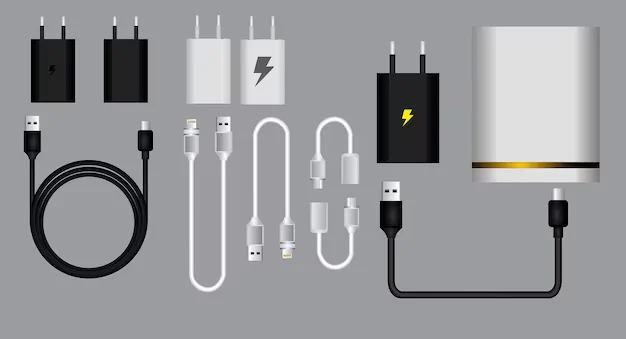
Power Up Your Business: Elite Mobile Charger Manufacturer
Explore mobile charger manufacturing options and the specifications, factory checks and sourcing questions to compare.
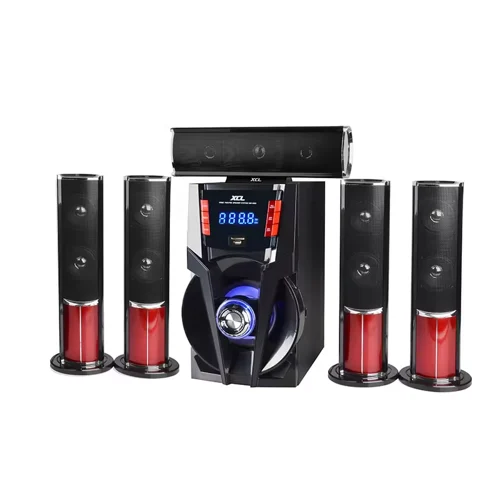
Elevate Your Profit: Premier Speaker Manufacturers in China
Review speaker manufacturing options and the product, supplier and purchasing details behind an audio sourcing brief.