

China Shoes Manufacturer: OEM Factory & Sourcing Guide
CHINA FOOTWEAR MANUFACTURING · FACTORY SELECTION TO ORDER ACCEPTANCE
Choose a China shoes manufacturer by construction, fit and production capability before comparing price. A sneaker, a leather loafer and a safety boot need different development and testing routes. Send one specification to shortlisted suppliers, approve a traceable size set, and agree inspection and release criteria before bulk production.
HunterSourcing is a China sourcing agent. We help buyers compare factories, coordinate samples and follow up agreed checks; we are not the shoe factory. Ask for the scope, fee basis and deliverables for your project before appointing us.
Start with your reference image, quantity and destination. If you already have a supplier, tell us whether the problem is fit, inconsistent quality, late delivery or an unverified production site.
Prepared by the HunterSourcing sourcing team. Supplier pages checked 28 October 2026, Beijing time. Their published figures below are enquiry references, not independently audited offers or HunterSourcing manufacturing terms.
1. Choose a manufacturing route, not just a supplier list
For ready-stock buying and market visits, use our wholesale shoes China market guide. This page focuses on developing and ordering footwear from manufacturers.
| Programme | What must match | Evidence before deposit |
|---|---|---|
| Sneakers / casual sports shoes | Upper assembly, lasting method, cushioning, outsole attachment and intended activity. | Comparable samples, actual production route, fit records and agreed performance test plan. |
| Leather / dress / fashion shoes | Leather or synthetic grade, lining, last shape, heel construction, edge finishing and size grading. | Material swatches, measured size set and checks on finish, colour transfer and attachment strength. |
| Sandals / slides / slippers | Moulded or assembled construction; strap layout, footbed, tooling and size range. | Confirm who owns the mould and whether existing tooling fits your buyer. See our slipper manufacturer guide for that category. |
| Children’s / protective footwear | Age group or protection claim, destination and applicable requirements. | A product-specific laboratory and documentation plan; ordinary casual-shoe evidence is insufficient for every specialised category. |
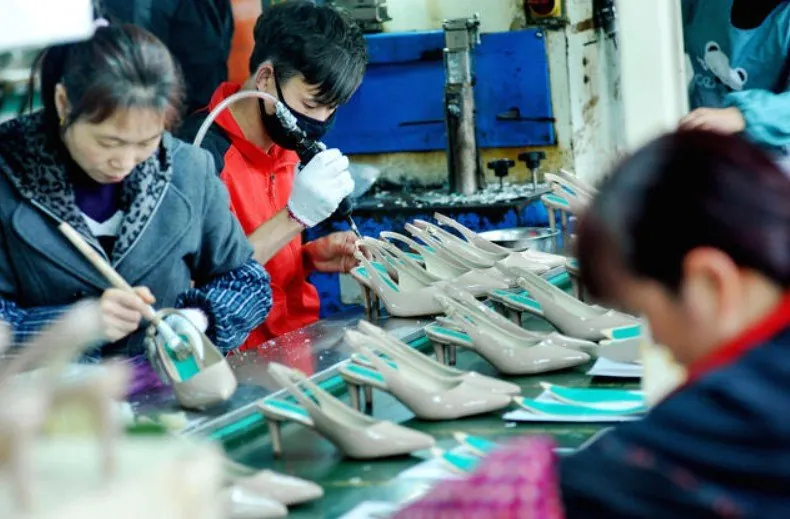
OEM, ODM and private label need written definitions
OEM usually starts from your design or technical pack; ODM starts from a supplier design or a development brief; private label often adds your authorised branding to an agreed style. Suppliers use these terms differently. Identify who designs the last, upper and sole, who pays development costs, and who owns the resulting files and tools.
Do not assume a showroom is the factory. Identify the legal seller, development room, production site and any subcontracted steps. A trader or development partner can be useful, provided the responsibilities and actual manufacturer are clear.
2. Compare published supplier terms on the same basis
These are discovery examples from supplier websites, not an audited “best factory” ranking or a claim that HunterSourcing has inspected these businesses. Reconfirm the legal entity, product capability, minimums and available production slot.
| Supplier / source | Minimum order and timing | Buyer interpretation |
|---|---|---|
| DOING — OEM footwear | 1,200 pairs per style, across 2–3 colours; samples 2–4 weeks; bulk 30–60 days. | The stated split is 600 × 2 or 400 × 3. Confirm materials, size ratio and which factory performs the order. |
| XuFan — footwear range | 500–1,000 pairs per style; samples 7–15 days. Its loafer section lists bulk production of 30–45 days. | Category examples are not a commitment for every design. Confirm the model-specific MOQ and when the clock starts. |
| JIJIA — Guangzhou development and designated factories | 500 pairs per style; sandals from 300; samples about 7 days; bulk 25–35 days after deposit and pre-production sample. | The site distinguishes its own development room from designated bulk factories. Ask which site will make your order. |
| KEYTOP — OEM/ODM | 1,000 pairs for sneakers/casual/boots/outdoor; 1,500 for sandals/slippers/slides. Current page applies the minimum to one style, colour and size, without mixing. | Samples 7–15 days; standard production 35–45 days after approvals and slot confirmation. This minimum cannot be compared directly with a mixed-size per-style minimum. |
The useful question is “MOQ per what?” Ask about style, colour, size and material minimums separately. Quote a trial lot, sample quantity and repeat-order minimum as separate requests. If a supplier changes these conditions, obtain the revised offer in writing.
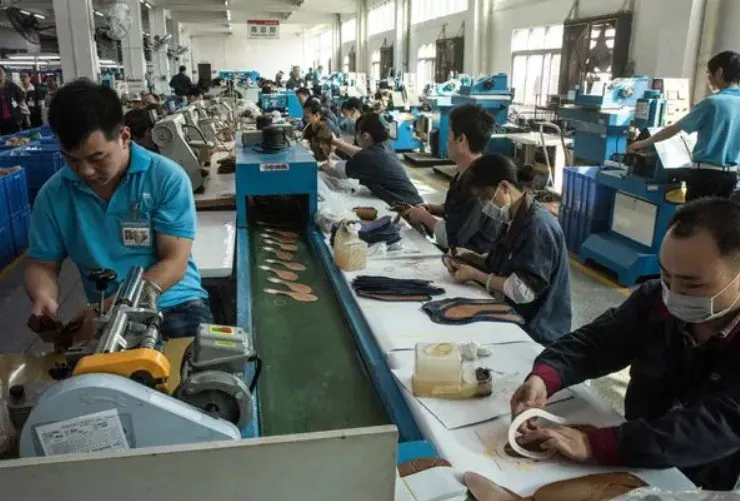
3. Use a specification that prevents silent substitutions
A photograph communicates appearance. It does not define construction, fit, material identity or acceptance limits. Give all candidates the same revision-controlled brief.
| Field | What the buyer should specify | What to verify |
|---|---|---|
| Upper / lining | Material composition, grade, thickness; textile GSM where relevant; colour reference; reinforcement and stitching. | Swatches, bill of materials and approved finished sample. GSM does not replace leather thickness or describe every shoe component. |
| Sole / cushioning | Outsole compound, joining method, tread, midsole construction, hardness/density if relevant and pair weight. | Representative material identity and agreed performance tests, not just “rubber-like” appearance. |
| Fit / dimensions | Target size system, foot-length guidance, last reference, width, fitting allowance and measurement tolerances. | Fit trial and measured size set. An EU/US label conversion is not a fit approval. |
| Colour / branding | Physical colour standard; logo artwork and placement; labels; ownership and authorisation. | Decorated sample, artwork revision and marking durability where relevant. |
| Packing / quantities | Pairs per size and colour; box, tissue, bag, barcode, carton count, carton dimensions and gross weight. | Approved pack-out sample and actual measured packed carton. |
| Intended use / destination | Adult or child, activity, sales country, buyer claims and required documents. | A laboratory-confirmed test scope before materials are locked; no universal certificate bundle. |
Approve the whole size range
A centre-size sample can hide grading errors at the smallest and largest sizes. Agree which sizes need physical samples, who wears them, and what measurements are recorded. Keep fit observations separate from laboratory performance results.
Record the measurement method
Identify the last or reference shoe, the points measured, units, conditioning and tolerances. Left/right pairing and size labels must agree with the approved size breakdown.
Lock changes before bulk
Attach the signed sample identity, specification revision and artwork to the order. Require renewed approval if a sole, lining, adhesive, material supplier or manufacturing site changes.
4. Compare the complete cost and control payment gates
There is no useful universal FOB price for “shoes”. Request a currency, price per pair, exact construction, size mix, quantity tier, named delivery point and validity date. Ask for the same model at your trial quantity and repeat quantity so the price break is visible.
| Cost or condition | Require on the offer | Why it changes the decision |
|---|---|---|
| Unit price and tiers | Price/pair for the same specification at each requested volume; packing inclusions; currency; delivery term and named place. | A lower quote may omit a box, change the sole or use another material. |
| Development and tools | Sample and courier fees; last/mould/pattern charges; revision charges; refund conditions; ownership and storage. | Cheap first samples can hide tooling or revision costs. |
| Inspection and testing | Who books and pays; scope; sample transport; reinspection and correction responsibility. | A generic certificate is not a test of the actual shoe and material. |
| Payment | Beneficiary legal name; deposit and balance; approval documents; bank-change verification. | JIJIA publishes a 30% deposit / 70% before loading example; it is a supplier term, not a HunterSourcing payment policy. |
| Logistics | Actual carton count, dimensions and weight; sea or air route; FCL/LCL; customs party; delivery destination. | Ask for dated port-to-port and door-to-door estimates separately. Air chargeable weight and carton volume can change the result. |
| After-sales | Defect notification period, evidence, repair/replacement/credit process, costs and dispute terms. | No universal free replacement or warranty should be assumed. Put the agreed remedy in the order. |
A cost example that reveals missing assumptions
Illustration only, not a quote: 600 pairs × US$12 = US$7,200; US$300 sampling/development plus US$200 inspection gives US$7,700, or US$12.83 per pair before freight, duty and tax. If only 570 pairs are accepted at that point, the same spend is US$13.51 per accepted pair. The unaccepted pairs remain unresolved; this calculation does not assume they are discarded or that the buyer has waived a remedy.
For online retail or FBA delivery, confirm unit/box labels, carton labels, appointment and delivery requirements. A “DDP” label alone does not establish importer responsibility or cover every destination charge.
5. Tie approvals to evidence, then close the actual order
Ask what records you will receive, not just whether a supplier says it has QC. Define inspection coverage, sampling plan, defect categories and acceptance numbers before production. AQL is a sampling acceptance framework, not a guaranteed percentage of defects in the whole shipment.
| Gate | Evidence to review | Buyer decision |
|---|---|---|
| Factory verification | Legal identity, production address, relevant equipment, capacity evidence, subcontracted steps and material controls. | Proceed, investigate a gap or reject the candidate. |
| Development / size set | Measured samples, approved last/fit, materials, artwork and packaging revision. | Approve or revise; record exactly which versions may enter bulk. |
| Production follow-up | Material and process checks, progress records and approved change notices. | Correct deviations before the same issue spreads through the lot. |
| Final inspection | Random selection record; size and pair matching; workmanship; relevant dimensions; packing and carton checks; defect photographs. | Accept, hold, require correction or request additional evidence. |
| Corrective action and closure | Segregated quantities, correction records, reinspection result and final buyer instruction. | Record accepted/rejected quantities and closure, including any authorised partial shipment. |
- Brief: agree specification, scope and required evidence.
- Verify: identify seller, factory and production route.
- Approve: seal samples and approve fit, materials and packing.
- Inspect: compare the order against the agreed criteria.
- Resolve: correct, reinspect and obtain the buyer’s final acceptance or decision to abandon the order.
If a small part is nonconforming and the accepted quantity can be separated, shipment of that accepted part requires the buyer’s written authorisation. Hold and identify the remainder; require correction and inspect it again as agreed. If most of the lot fails, report the findings to the buyer, hold release, obtain the supplier’s correction plan and arrange reinspection. The assignment closes when the buyer has accepted the agreed goods or decided to abandon them and the decision is recorded. Reinspection scope and fees must be agreed; this is not a promise of unlimited free visits.
See the report format before booking
Our China quality inspection service explains the inspection scope. The blank reports below show a recording format; they are not completed inspections, footwear test reports or factory approval certificates.
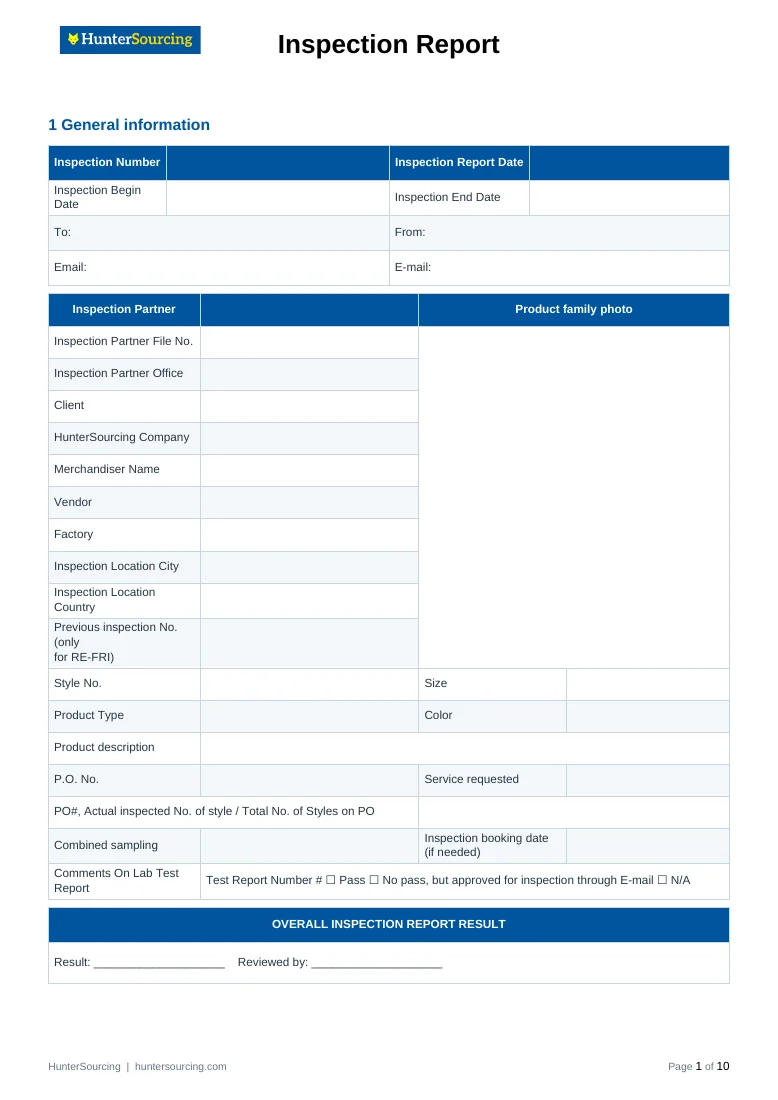
Inspection Report PDF · Editable Word
Factory Audit Report PDF · Editable Word
Request the proposed shoe-specific checklist and an authorised redacted example if available. Confirm the inspector’s relevant experience, report coverage and escalation contact before booking.
6. Plan testing for the destination and the actual footwear
Start with intended use, wearer, materials and claims, then ask a qualified laboratory to map the applicable requirements. Do not order ISO 9001, CE, FDA, RoHS or a safety data sheet as an interchangeable set of shoe “certifications”. A management-system certificate and a product-specific laboratory result answer different questions.
| Market or use | Primary-source starting point | Buyer action |
|---|---|---|
| EU consumer footwear | EU footwear labelling summary: the principal materials of the upper, lining/sock and outer sole must be identified; it explains the 80% rule and the two-main-material fallback. | Confirm the actual composition and label artwork. Ask the laboratory about relevant REACH restrictions for the materials. |
| US children’s footwear | CPSC children’s product guidance: intended primarily for children 12 or younger; applicable rules determine testing and certification. | Agree applicable tests, CPSC-accepted laboratory scope where required, traceability and CPC responsibilities with the importer. |
| Protective / special claims | Protection, slip resistance, water resistance and other claims need defined scope and evidence. | Confirm the destination route with the laboratory and importer before choosing a factory or printing a claim. |
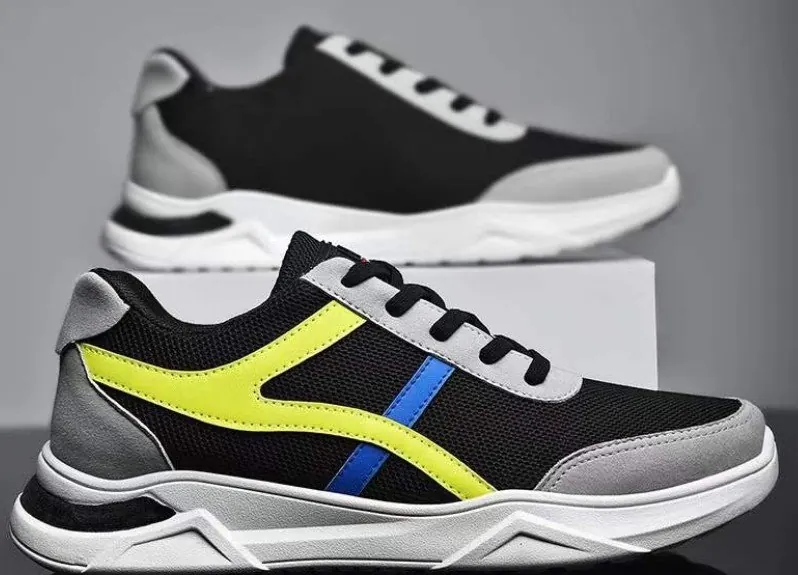
Use authorised designs and branding
Factory access does not establish rights to another brand’s logo, design or tooling. An appearance comparison video cannot authenticate a supply chain or grant permission to manufacture branded goods. Ask for ownership or authorisation evidence for the specific artwork and product.
7. Three buying situations and the next useful step
These are decision scenarios, not claimed HunterSourcing customer case studies.
A new brand wants a small first collection
Reduce the number of styles, colours and materials before asking to reduce a factory’s MOQ. Compare an existing authorised design against custom tooling. Ask what the actual trial quantity buys and which samples must be approved before a deposit becomes committed production spend.
An importer is moving an existing shoe to another factory
Transfer a controlled reference package, not just a photograph. Establish last and tooling rights, material sources, size grading and comparison tests. Keep the old and proposed samples identifiable so a visual match does not hide a different fit or bond construction.
A retailer has a tight seasonal launch
Work backwards from the required arrival date using confirmed sample approvals, production slot, inspection, correction allowance and freight route. If one gate slips, ask for a revised plan rather than compressing testing or treating the factory completion date as delivery to your warehouse.
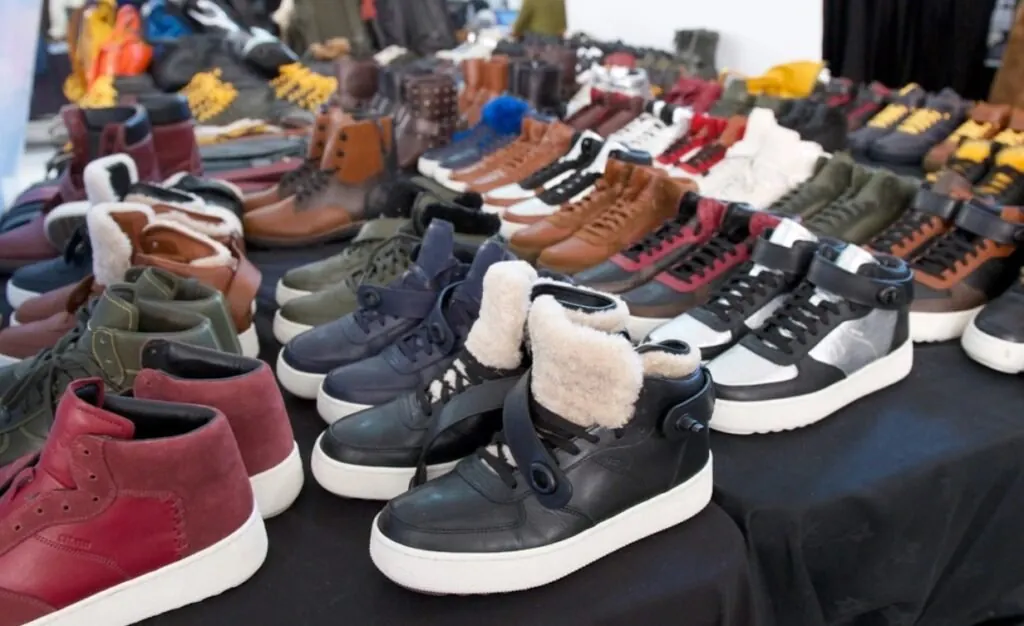
The original article’s market video remains below for buying-route context. It does not verify a listed factory or show a completed HunterSourcing audit.
China shoes manufacturer: buyer FAQs
How can I verify a China shoe manufacturer before placing an order?
Confirm the legal seller and actual production site, then review the factory’s experience with your shoe category, relevant processes, sample work and capacity. An authorised audit and model-specific records provide more useful evidence than a catalogue alone.
What is the MOQ for custom shoes made in China?
MOQ depends on the construction, materials, tooling, factory, style, colour and size range. Ask for separate minimums for samples, trial quantities and bulk production, and get the size and colour breakdown in writing.
Can a startup order private-label shoes in smaller quantities?
Some suppliers may offer smaller trials using existing designs, components or branding options. Ask exactly what can be changed, the minimum per colour and size, and how the trade-off affects unit price and exclusivity; no universal low MOQ is guaranteed.
What information should I send a shoe factory for an accurate quote?
Provide the shoe type and intended use, reference or technical pack, size range, materials for the upper, lining and sole, construction, branding, packaging, quantities and target market. Use the same specification and revision when comparing offers.
How do I check shoe sizing and fit before bulk production?
Define the last, target market and sizing system. Request samples and measurements for the agreed sizes, compare them with the approved specification and arrange fit evaluation where needed. A size conversion chart or one sample size does not prove fit across the full range.
How can I assess shoe material, stitching and sole bonding quality?
Specify materials, components and construction in the technical pack and approve physical references. Agree relevant inspection points and any performance tests with a competent laboratory for the shoe and destination; appearance alone does not prove durability.
How can I ensure bulk shoes match the approved sample?
Record the sample ID, last, components, materials, colours, stitching, packaging and approved artwork. Require written approval for substitutions, inspect production against the reference and document lot and size information before shipment.
Who pays for custom shoe molds and tooling, and who owns them?
Ask whether an existing last or outsole mold can be used and whether development is needed for each agreed size. The written agreement should identify tooling charges, ownership, storage, maintenance, transfer and what happens if the order ends.
How should I compare shoe prices, sample costs and lead times?
Compare dated quotations for the same specification, quantities, size mix, currency, delivery term and named place. Separate sample revisions, tooling, testing, packaging, freight and payment milestones. Confirm timing after sample and artwork approval rather than assuming one universal schedule.
What happens if shoes fail pre-shipment inspection?
Document the defects and affected quantities by style, size and lot. Ship a separable accepted portion only with the buyer’s written instruction; hold the rest for agreed correction and reinspection. If failures are widespread, hold the shipment and document the buyer’s final decision.
Compare factories against your next shoe order
Send a reference, footwear category, target country, estimated pairs per colour and size, and required arrival date. We can discuss a supplier shortlist, sample plan, inspection scope and fee basis before you commit to bulk.
Share proprietary technical files only after agreeing confidentiality and the intended use of the information. Sample costs and timing are confirmed for your brief.
Tell us what you need to manufacture
Start with three details: reference image or shoe type, estimated quantity and destination. Add your size breakdown, materials, target price, logo and required delivery date if known. If a supplier is already selected, describe the decision or problem you need help with.
What happens next?
- We clarify the brief and unanswered fit, material and order requirements.
- We discuss the proposed supplier/sample checks, deliverables and service fee basis.
- You decide whether to proceed before paid sampling, factory visits or testing are commissioned.
Contact details are used to respond to this enquiry; see our privacy policy. Ask us to confirm response and project timing.
Related Articles
 Wholesale Shoes China: Markets, Suppliers & Buying Guide
Compare shoe wholesale markets and ready-stock buying routes.
 Slipper Manufacturers in China: MOQ, Samples & Quality
Evaluate slipper construction, sample approval and supplier terms.
 On the Footsteps of China's Top Sock Manufacturers
Plan complementary sock sourcing and supplier comparisons.
Related Post

Furniture is a must for an office or a home. It is available at varying price points as Read more
Wood is extensively used in making furniture around the world. Wood can be molded in any shape or Read more
China offers many types of sofas at an affordable price. When it comes to Chinese Sofa Manufacturer, This Read more
Get Free Quote

Contact Us Get Free Quote!
* Please kindly fill out the form for inquiry
* we will reply to your inquiry within 24hours